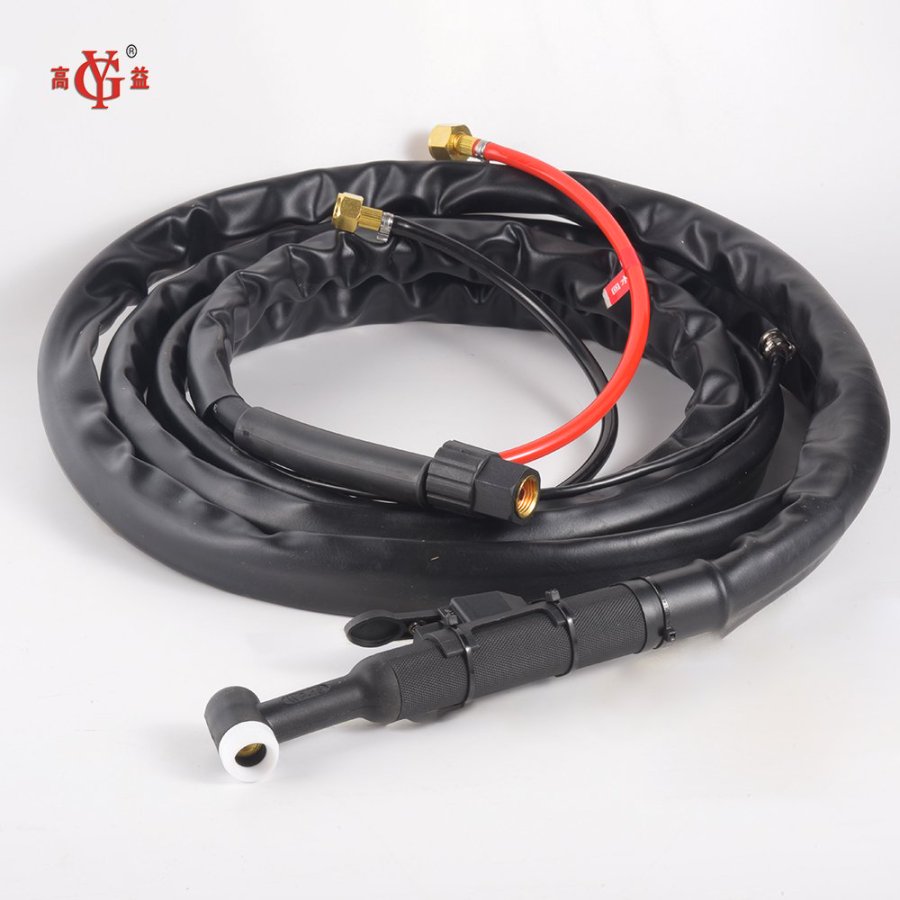

Understanding Non-Inductive Welding Cables for Stable Arc Performance
Jan 31,2026
When it comes to welding, the quality of the electrical connection plays a pivotal role in achieving a stable and efficient arc. One key component that can significantly affect this performance is the type of welding cable used. Non-inductive welding cables have emerged as a preferred choice among professionals in the electrical and welding industries, and understanding their advantages is crucial
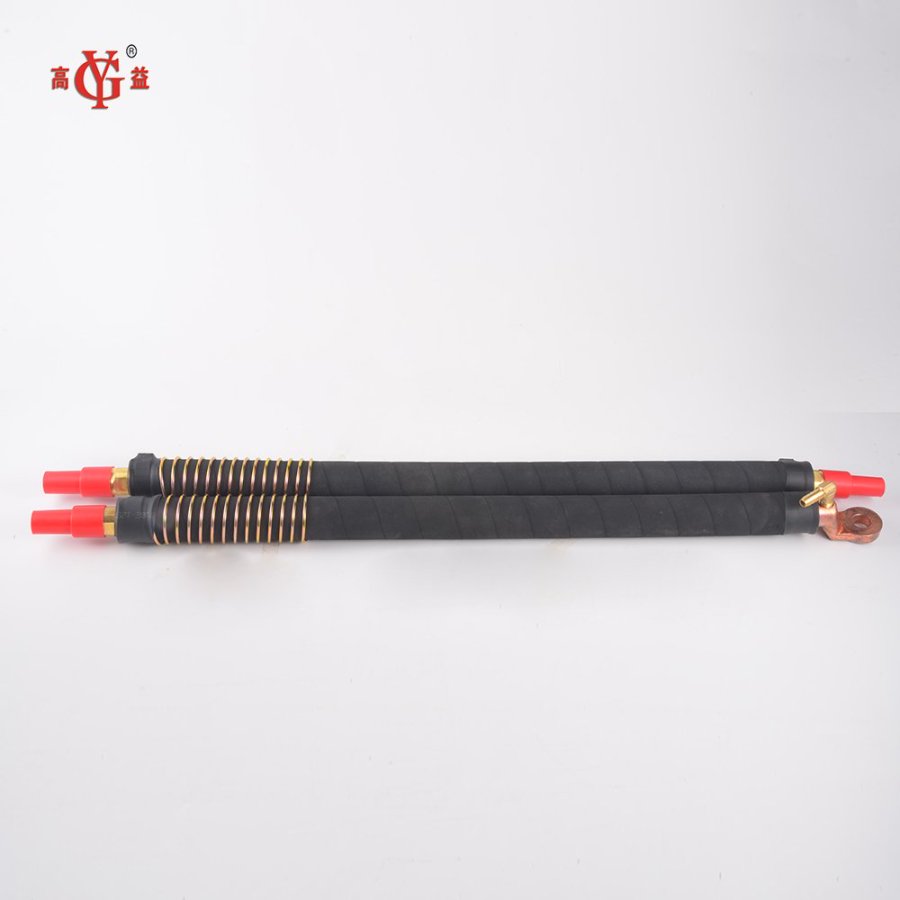
When it comes to welding, the quality of the electrical connection plays a pivotal role in achieving a stable and efficient arc. One key component that can significantly affect this performance is the type of welding cable used. Non-inductive welding cables have emerged as a preferred choice among professionals in the electrical and welding industries, and understanding their advantages is crucial for anyone involved in welding applications.
Non-inductive welding cables are designed to minimize inductance, which can lead to fluctuations in the electric arc. Inductance occurs when the cable's magnetic field interacts with the electric current flowing through it, potentially leading to instability in the welding process. By using non-inductive cables, welders can achieve a more consistent arc, which is essential for creating strong, high-quality welds. This stability is particularly important in processes like MIG and TIG welding, where precision and control are paramount.
One of the standout features of non-inductive welding cables is their flexible construction. Unlike traditional cables that may be rigid, non-inductive cables can bend and maneuver easily. This flexibility allows welders to navigate tight spaces and work in various positions without compromising the quality of their work. Additionally, these cables are often built to withstand harsh environments, offering durability and longevity that can reduce the need for frequent replacements.
Another critical aspect of non-inductive welding cables is their ability to conduct electricity efficiently. Lower resistance in these cables not only enhances performance but also reduces energy loss during the welding process. The result is a more efficient operation that can lead to cost savings over time, as well as an improved overall welding experience.
Furthermore, using non-inductive welding cables contributes to safety during welding operations. With a stable arc, the risk of arc flash and other electrical hazards is minimized. This safety aspect is not just beneficial for the welder but also for anyone in the surrounding area, making these cables a wise choice for comprehensive safety protocols in any welding environment.
In summary, non-inductive welding cables are an essential component for achieving stable arc performance in various welding applications. Their design minimizes inductance, enhances flexibility, ensures efficient electrical conduction, and promotes safety. By investing in high-quality non-inductive welding cables, welders can improve their work quality and efficiency, ensuring successful outcomes in their projects. Whether you are a professional welder or a hobbyist, understanding the benefits of these cables can help you make informed choices that elevate your welding experience.
Non-inductive welding cables are designed to minimize inductance, which can lead to fluctuations in the electric arc. Inductance occurs when the cable's magnetic field interacts with the electric current flowing through it, potentially leading to instability in the welding process. By using non-inductive cables, welders can achieve a more consistent arc, which is essential for creating strong, high-quality welds. This stability is particularly important in processes like MIG and TIG welding, where precision and control are paramount.
One of the standout features of non-inductive welding cables is their flexible construction. Unlike traditional cables that may be rigid, non-inductive cables can bend and maneuver easily. This flexibility allows welders to navigate tight spaces and work in various positions without compromising the quality of their work. Additionally, these cables are often built to withstand harsh environments, offering durability and longevity that can reduce the need for frequent replacements.
Another critical aspect of non-inductive welding cables is their ability to conduct electricity efficiently. Lower resistance in these cables not only enhances performance but also reduces energy loss during the welding process. The result is a more efficient operation that can lead to cost savings over time, as well as an improved overall welding experience.
Furthermore, using non-inductive welding cables contributes to safety during welding operations. With a stable arc, the risk of arc flash and other electrical hazards is minimized. This safety aspect is not just beneficial for the welder but also for anyone in the surrounding area, making these cables a wise choice for comprehensive safety protocols in any welding environment.
In summary, non-inductive welding cables are an essential component for achieving stable arc performance in various welding applications. Their design minimizes inductance, enhances flexibility, ensures efficient electrical conduction, and promotes safety. By investing in high-quality non-inductive welding cables, welders can improve their work quality and efficiency, ensuring successful outcomes in their projects. Whether you are a professional welder or a hobbyist, understanding the benefits of these cables can help you make informed choices that elevate your welding experience.
TAG:
Related Posts

Understanding Non-Inductive Welding Cables for Stable Arc Performance
When it comes to welding applications, the choice of cables is crucial for achieving optimal performance and efficiency. Non-inductive welding cables are engineered specifically to provide stable arc characteristics, which are vital in ensuring high-quality welds. Unlike traditional inductive cables, non-inductive options minimize the inductive reactance that can lead to fluctuations in arc stabil