
Discover the Benefits of Using a Handheld Tip Dresser for Welding
Jan 30,2026
Discover the Benefits of Using a Handheld Tip Dresser for Welding
Table of Contents
1. Introduction: The Importance of Welding Tool Maintenance
2. What is a Handheld Tip Dresser?
3. How a Handheld Tip Dresser Works
4. The Benefits of Using a Handheld Tip Dresser in Welding
4.1 Improved Welding Quality
4.2 Enhanced Precision and Control
Discover the Benefits of Using a Handheld Tip Dresser for Welding
Table of Contents
- 1. Introduction: The Importance of Welding Tool Maintenance
- 2. What is a Handheld Tip Dresser?
- 3. How a Handheld Tip Dresser Works
- 4. The Benefits of Using a Handheld Tip Dresser in Welding
- 4.1 Improved Welding Quality
- 4.2 Enhanced Precision and Control
- 4.3 Time Efficiency and Productivity
- 4.4 Cost-Effectiveness
- 4.5 Extended Tip Life
- 5. How to Use a Handheld Tip Dresser Effectively
- 6. Safety Tips for Using a Handheld Tip Dresser
- 7. Common Issues and Solutions When Using a Tip Dresser
- 8. Conclusion
- 9. Frequently Asked Questions
1. Introduction: The Importance of Welding Tool Maintenance
Welding is an essential process in various industries, including manufacturing, construction, and automotive. It requires accurate and efficient tools to ensure the highest quality results. One of the critical pieces of equipment in any welder's toolkit is the tip of the welding torch. Keeping this tool in optimal condition directly influences the quality of the weld. That’s where a **handheld tip dresser** comes into play. By understanding its benefits and proper use, welders can significantly enhance their results.
2. What is a Handheld Tip Dresser?
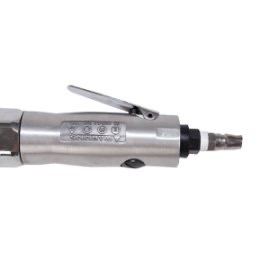
A **handheld tip dresser** is a specialized tool designed to maintain and restore the shape of welding tips. It works by removing the oxidized layer and deposits that accumulate on the tip during welding. This tool is essential for ensuring a clean and effective welding process, leading to better welds and longer-lasting tips.
3. How a Handheld Tip Dresser Works
The handheld tip dresser features a set of abrasive surfaces and is designed for simple operation. When applied to a worn welding tip, the dresser grinds away the accumulated material, restoring the tip to its original shape. This process not only improves the contact area for better arc stability but also enhances the heat distribution, resulting in cleaner and more effective welds.
4. The Benefits of Using a Handheld Tip Dresser in Welding
4.1 Improved Welding Quality
One of the most significant advantages of using a handheld tip dresser is the **improved welding quality** it delivers. A well-maintained tip provides a more stable arc, which is crucial for achieving uniform weld beads. By regularly dressing the tip, welders can ensure that their equipment is always in peak condition, leading to stronger and more reliable welds.
4.2 Enhanced Precision and Control
Welding requires a high degree of precision, especially in intricate projects. A clean tip allows for better control over the welding process, enabling welders to make delicate adjustments as needed. The handheld tip dresser ensures that the tip maintains its shape, enhancing maneuverability and enabling welders to execute detailed work with ease.
4.3 Time Efficiency and Productivity
In any industrial setting, time is money. Using a handheld tip dresser helps reduce downtime by ensuring that welding tips are consistently maintained. By preventing issues such as poor arc stability or inconsistent weld quality, the dresser allows welders to complete their tasks more efficiently, thereby boosting overall productivity.
4.4 Cost-Effectiveness
Investing in a handheld tip dresser is a cost-effective solution for maintaining welding tips. By extending the life of the tips, welders can reduce the frequency of replacements. This not only saves money on purchasing new tips but also minimizes waste, making it an environmentally friendly choice.
4.5 Extended Tip Life
Regularly using a handheld tip dresser can significantly extend the life of welding tips. By removing contaminants and restoring shape, the dresser prevents premature wear and tear. This longevity translates to fewer trips to the supply store and more uninterrupted work time.
5. How to Use a Handheld Tip Dresser Effectively
Using a handheld tip dresser requires some basic techniques for optimal results. Here’s a step-by-step guide:
1. **Turn Off the Power**: Always ensure the welding equipment is powered down before handling the tip.
2. **Inspect the Tip**: Examine the tip for signs of wear or damage.
3. **Align the Dresser**: Position the handheld tip dresser against the tip at the correct angle.
4. **Dress the Tip**: Apply gentle pressure and move the dresser back and forth until the tip is clean and shaped.
5. **Check for Smoothness**: Ensure the tip feels smooth to the touch before reattaching it to the welding torch.
6. Safety Tips for Using a Handheld Tip Dresser
Safety should always be a priority when using any welding tools. Here are essential safety tips to consider:
- **Wear Protective Gear**: Always use eye protection and gloves to shield against debris.
- **Work in a Ventilated Area**: Ensure proper airflow to avoid inhaling any harmful particles.
- **Follow Manufacturer Instructions**: Always adhere to the guidelines provided with your specific handheld tip dresser.
- **Maintain a Clean Workspace**: Keep the area free from flammable materials to prevent accidents.
7. Common Issues and Solutions When Using a Tip Dresser
While using a handheld tip dresser is straightforward, some common issues may arise. Here’s how to address them:
- **Uneven Dresser Abrasion**: If the tip is not evenly dressed, check the alignment of the dresser and ensure consistent pressure is applied.
- **Tip Damage**: Avoid applying excessive pressure, which can lead to tip deformation.
- **Clogging**: Regularly clean the dresser's abrasives to prevent clogging from metal residues.
8. Conclusion
In summary, integrating a **handheld tip dresser** into your welding toolkit can profoundly impact the quality and efficiency of your welding projects. With benefits ranging from improved welding quality and enhanced precision to cost-effectiveness and extended tip life, this tool is an invaluable asset for both professional and hobbyist welders alike. By maintaining your welding tips with a handheld tip dresser, you ensure that your welding processes are as effective and reliable as possible.
9. Frequently Asked Questions
What types of welding tips can be dressed with a handheld tip dresser?
Most standard welding tips, including those used in MIG and TIG welding, can be effectively dressed with a handheld tip dresser.
How often should I dress my welding tips?
It is recommended to dress welding tips after every few uses or when you notice a decline in performance or quality of the welds.
Can I use a handheld tip dresser on other tools?
While primarily designed for welding tips, some handheld tip dressers may be adaptable for other small precision tools, but always check the manufacturer's instructions.
Are handheld tip dressers suitable for beginners?
Yes, handheld tip dressers are user-friendly and can be effectively used by beginners. Proper technique and safety precautions should be followed for the best results.
Where can I purchase a handheld tip dresser?
Handheld tip dressers are available at most welding supply stores, online retailers, and industrial tool suppliers. Always choose a reputable brand for the best quality.
TAG:
Related Posts
Understanding Non-Inductive Welding Cables for Stable Arc Performance
In the realm of welding, maintaining a stable arc is crucial for achieving high-quality results. One of the key components that facilitate this is the use of non-inductive welding cables. These cables are designed to minimize inductance, which can lead to fluctuations in the arc, thereby ensuring a consistent and reliable performance.
Non-inductive welding cables typically feature a unique constru