
Unlocking Efficiency: The Essential Role of Spot Welding Electrode Arms for Enhanced Productivity
Feb 01,2026
Unlocking Efficiency: The Essential Role of Spot Welding Electrode Arms
Table of Contents
1. Introduction to Spot Welding Electrode Arms
2. The Importance of Electrode Arms in Spot Welding
3. Design Features of Spot Welding Electrode Arms
4. Types of Spot Welding Electrode Arms
5. Applications of Spot Welding Electrode Arms in Industry
6. Maintenance Tips for Spot Welding
Unlocking Efficiency: The Essential Role of Spot Welding Electrode Arms
Table of Contents
- 1. Introduction to Spot Welding Electrode Arms
- 2. The Importance of Electrode Arms in Spot Welding
- 3. Design Features of Spot Welding Electrode Arms
- 4. Types of Spot Welding Electrode Arms
- 5. Applications of Spot Welding Electrode Arms in Industry
- 6. Maintenance Tips for Spot Welding Electrode Arms
- 7. Troubleshooting Common Issues with Electrode Arms
- 8. The Future of Spot Welding Electrode Arms
- 9. FAQs about Spot Welding Electrode Arms
- 10. Conclusion
1. Introduction to Spot Welding Electrode Arms
Spot welding is a pivotal process in various industries, particularly in automotive and manufacturing. The efficiency and quality of spot welding rely heavily on the components used, especially the **spot welding electrode arms**. These arms are essential in delivering current and pressure to the workpieces, ensuring strong and effective welds. Understanding their role can significantly impact overall production efficiency and product quality.
2. The Importance of Electrode Arms in Spot Welding
The **importance of spot welding electrode arms** cannot be overstated. They facilitate the precise application of heat and pressure, which are crucial for creating durable welds. High-quality electrode arms ensure:
- **Consistency** in weld quality across productions.
- **Reduced cycle times**, leading to increased productivity.
- **Lower rejection rates** due to defects.
- Enhanced **safety** by reducing the risk of malfunction during the welding process.
By investing in high-performance electrode arms, manufacturers can elevate their operational efficiency and product reliability.
3. Design Features of Spot Welding Electrode Arms
The design of spot welding electrode arms is tailored to enhance functionality while maintaining durability. Key design features include:
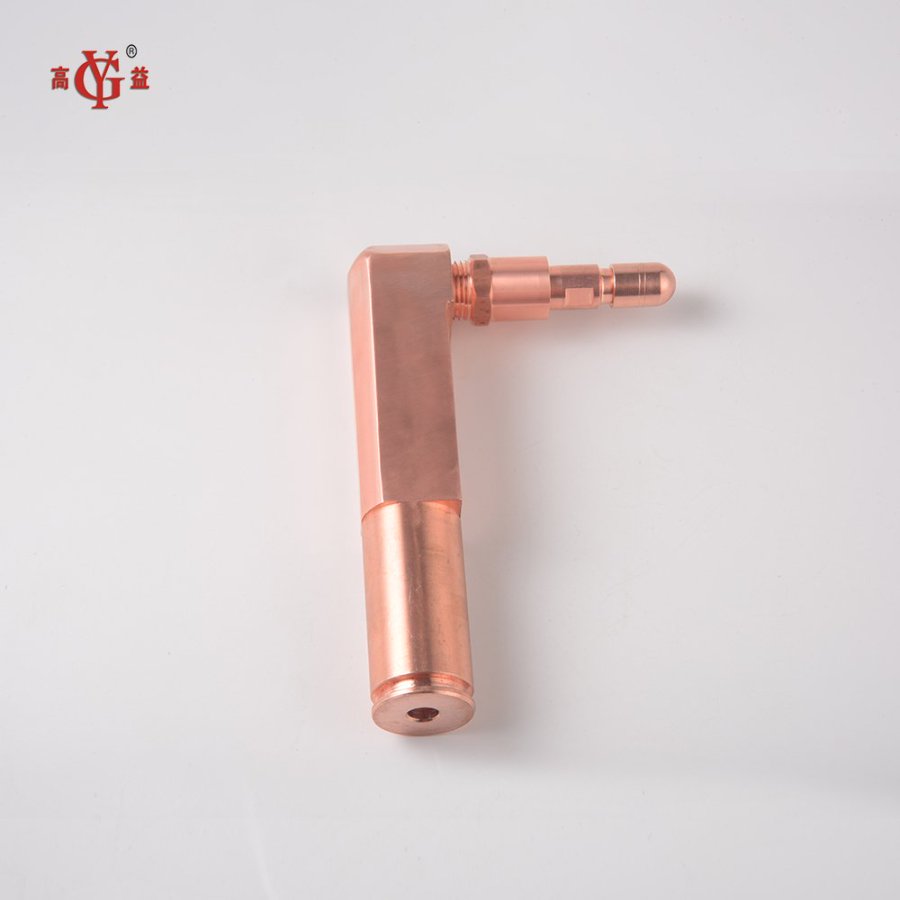
- **Material Composition:** Typically made from high-conductivity copper alloys, these materials provide excellent electrical conductivity and thermal resistance.
- **Ergonomic Design:** Many electrode arms are designed to be lightweight and easy to maneuver, reducing operator fatigue.
- **Adjustable Lengths:** Some models allow for length adjustments, making them versatile for different welding applications.
Incorporating these design features improves the overall performance of the welding process, leading to more efficient operations.
4. Types of Spot Welding Electrode Arms
Different types of spot welding electrode arms cater to various industrial needs. Understanding these types can help in selecting the right equipment:
- **Fixed Electrode Arms:** These are commonly used for standard applications where the welding setup remains constant.
- **Rotating Electrode Arms:** These allow for a broader range of motion, useful for complex assemblies that require welding from multiple angles.
- **Custom-Made Arms:** Tailored designs for specific applications can optimize performance and improve the adaptability of the welding machine.
Each type of electrode arm serves a specific purpose, and selecting the right one can greatly influence welding efficiency.
5. Applications of Spot Welding Electrode Arms in Industry
Spot welding electrode arms find applications across several industries, enhancing efficiency and quality. Key applications include:
- **Automotive Manufacturing:** Used extensively for assembling components like car bodies and frames.
- **Electronics Manufacturing:** Essential in producing components like circuit boards and batteries.
- **Construction:** Facilitating the joining of metal parts in structures and frameworks.
Understanding the specific applications of electrode arms can help manufacturers choose the right tools for their needs.
6. Maintenance Tips for Spot Welding Electrode Arms
Regular maintenance of spot welding electrode arms is crucial to achieving optimal performance. Here are some essential maintenance tips:
- **Regular Cleaning:** Ensure that electrode arms are cleaned frequently to remove residues that can affect conductivity and weld quality.
- ** inspections:** Conduct routine checks for wear and tear. Look for signs of overheating or material degradation, which may necessitate repairs or replacements.
- **Lubrication:** Ensure that moving parts are lubricated to minimize friction and prolong the lifespan of the equipment.
Following these maintenance practices can prevent unexpected downtime and extend the life of the electrode arms.
7. Troubleshooting Common Issues with Electrode Arms
Despite best efforts, issues may still arise with spot welding electrode arms. Here are some common problems and their solutions:
- **Inconsistent Weld Quality:** This may be due to insufficient contact pressure or electrode wear. Regular inspections and adjustments can resolve this.
- **Overheating:** This can occur if the arms are not adequately cooled. Ensure proper cooling systems are in place.
- **Electrical Issues:** If welding fails, check connections and ensure there is no corrosion or damage to the electrode arms.
Being proactive in troubleshooting can minimize production delays and improve overall efficiency.
8. The Future of Spot Welding Electrode Arms
The future of spot welding electrode arms looks promising with advancements in technology. Innovations such as smart welding systems and automation are transforming the industry:
- **Integration with AI:** Advanced algorithms can optimize welding parameters for improved efficiency.
- **Automation:** Robotic welding arms equipped with intelligent electrode designs can enhance precision and consistency.
Embracing these technological advancements will further improve the functionality and efficiency of spot welding processes.
9. FAQs about Spot Welding Electrode Arms
What are spot welding electrode arms?
Spot welding electrode arms are components that hold the electrodes in place during the welding process, delivering pressure and current to create welds.
How do I choose the right electrode arm for my application?
Choosing the right electrode arm involves considering factors such as the type of materials being welded, the complexity of the assembly, and the required precision.
How often should I maintain my spot welding electrode arms?
Regular maintenance should be conducted at least once a month, with more frequent checks if the arms are used heavily.
Can I repair a damaged electrode arm?
In many cases, yes. Minor damages can often be repaired; however, severe wear may necessitate a replacement.
What are the signs that my electrode arms need to be replaced?
Signs include significant wear, poor weld quality, overheating, and visible damage or deformation.
10. Conclusion
Spot welding electrode arms play a crucial role in enhancing the efficiency and quality of welding processes across various industries. By understanding their importance, design features, types, applications, maintenance, and potential issues, manufacturers can make informed decisions that lead to improved productivity and reduced costs. As technology continues to evolve, embracing innovations in electrode arm design and functionality will be essential for staying competitive in the marketplace. Investing in high-quality spot welding electrode arms is not just an operational choice; it’s a strategic move toward achieving excellence in manufacturing processes.
TAG:
Related Posts

Understanding Non-Inductive Welding Cables for Stable Arc Performance
When it comes to welding applications, the choice of cables is crucial for achieving optimal performance and efficiency. Non-inductive welding cables are engineered specifically to provide stable arc characteristics, which are vital in ensuring high-quality welds. Unlike traditional inductive cables, non-inductive options minimize the inductive reactance that can lead to fluctuations in arc stabil