
Essential Insights on Plasma Cutting Torches for Metal Fabrication
Jan 29,2026
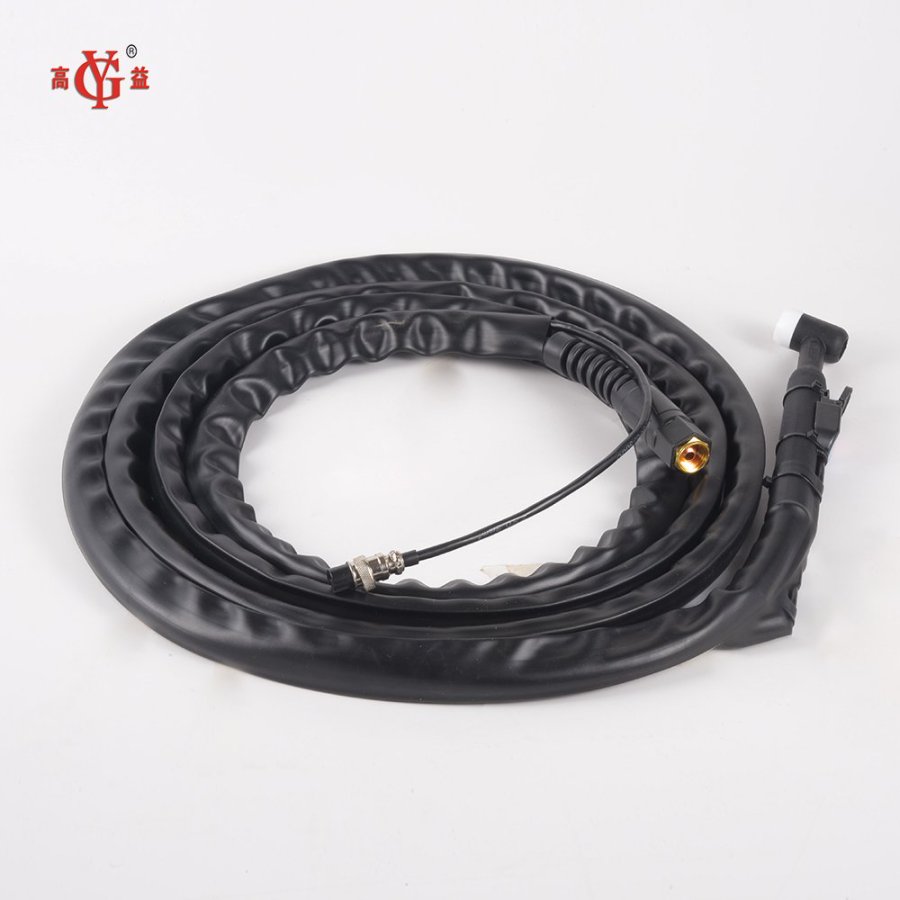
Plasma cutting torches are pivotal tools in the metal fabrication industry, known for their precision and efficiency in cutting various metals. Understanding how these tools work and their applications can significantly enhance your fabrication projects.
At its core, plasma cutting involves using a high-temperature plasma arc to melt and cut through conductive materials. The torch generates this p
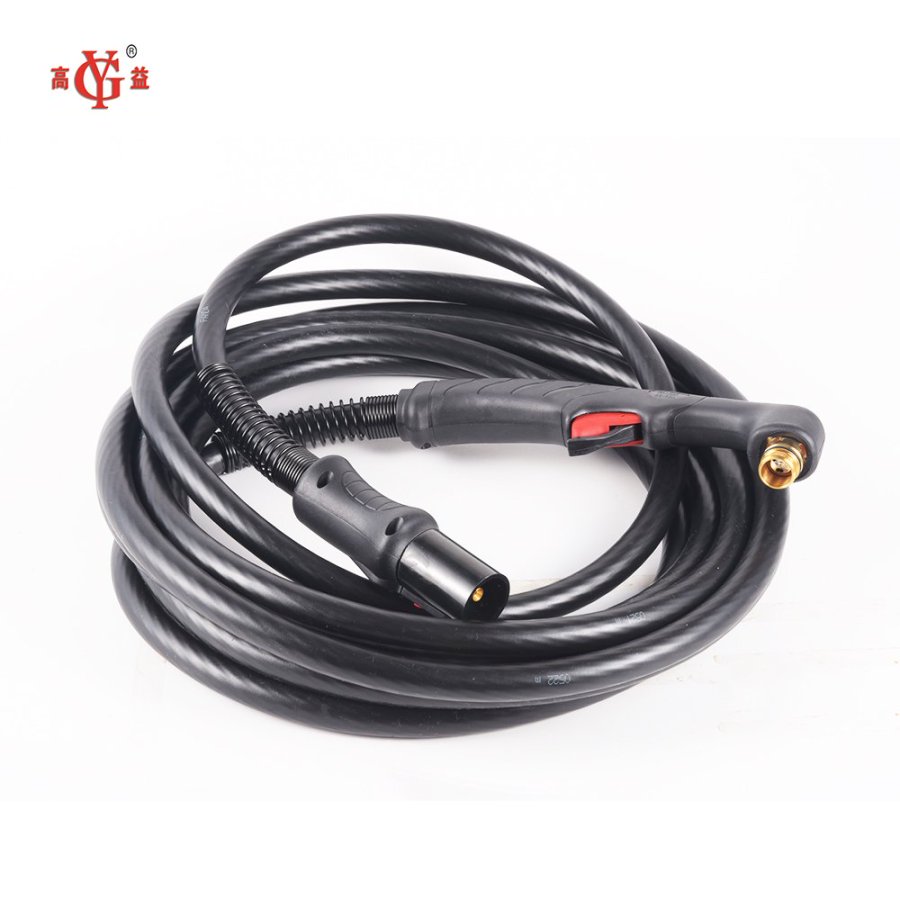
Plasma cutting torches are pivotal tools in the metal fabrication industry, known for their precision and efficiency in cutting various metals. Understanding how these tools work and their applications can significantly enhance your fabrication projects.
At its core, plasma cutting involves using a high-temperature plasma arc to melt and cut through conductive materials. The torch generates this plasma arc by ionizing gas, which is then expelled through a nozzle at high speeds. This process allows for clean cuts in a variety of metals, including steel, aluminum, and copper, making it a versatile choice for fabricators.
One of the significant advantages of using a plasma cutting torch is its speed. Plasma cutting can operate at much higher speeds than traditional cutting methods, which can streamline production processes. This efficiency is particularly beneficial in high-volume manufacturing settings where time is money.
Moreover, plasma cutting produces minimal heat-affected zones (HAZ), which is crucial when working with thin materials. The reduced HAZ helps preserve the integrity of the metal, minimizing warping and deformation, which are common issues with other cutting methods like oxy-fuel cutting.
When selecting a plasma cutting torch for metal fabrication, consider the following factors:
1. **Power Requirements**: Ensure the torch is compatible with your power supply. Most plasma cutters operate on either single-phase or three-phase electricity. Understanding your power supply will help you choose a torch that meets your needs.
2. **Cutting Thickness**: Different torches have varying capacities for cutting thickness. Assess the materials you typically work with and choose a torch capable of handling the maximum thickness required.
3. **Type of Gas**: While compressed air is a common choice for plasma cutting, other gases like nitrogen or argon can also be used depending on the specific requirements of the job. Each gas has unique properties that can influence the quality of the cut.
4. **Portability and Ease of Use**: If your fabrication work involves moving between sites, consider the weight and portability of the plasma cutting torch. Features like ergonomic design and lightweight materials can enhance usability.
5. **Consumables**: Plasma cutting torches have consumable parts such as nozzles and electrodes that wear out over time. Understanding the costs and availability of these consumables will help you manage ongoing expenses effectively.
In conclusion, plasma cutting torches are indispensable in the realm of metal fabrication, offering speed, precision, and efficiency. By selecting the right torch for your specific needs and following best practices, you can optimize your metal fabrication projects and achieve superior results. Whether you’re a seasoned professional or new to the field, enhancing your knowledge of plasma cutting technology will undoubtedly benefit your operations in the long run.
TAG:
Related Posts
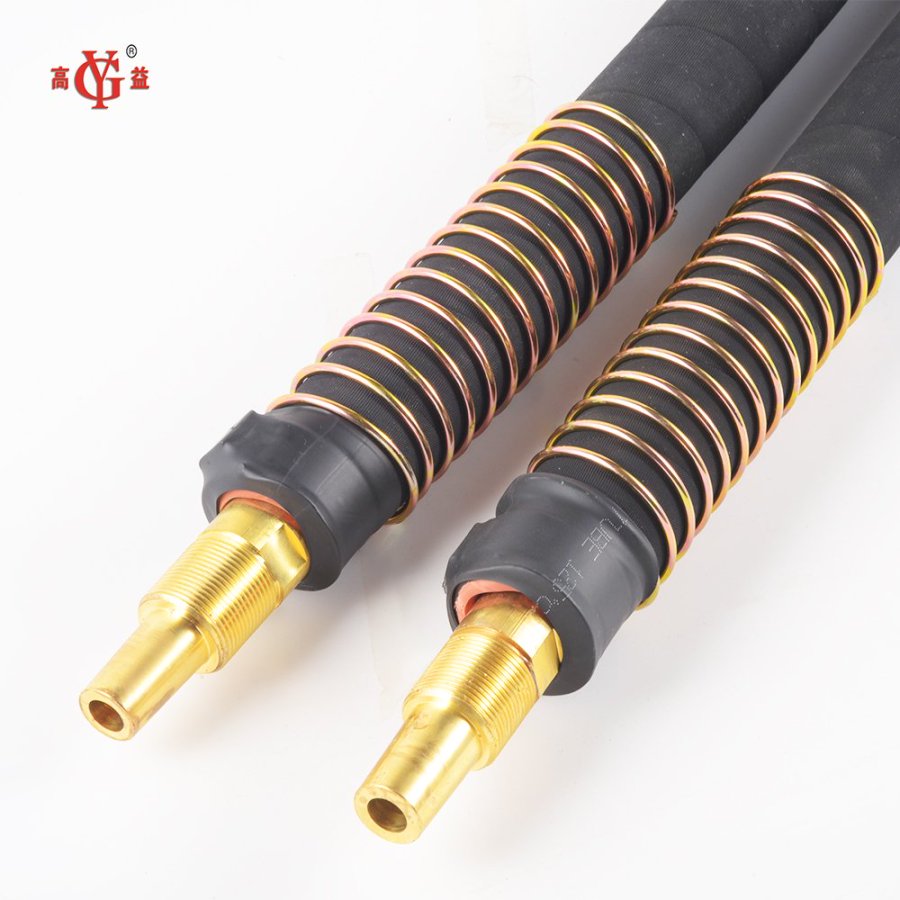
Understanding Non-Inductive Welding Cables for Stable Arc Performance
In the realm of welding, maintaining a stable arc is crucial for achieving high-quality results. One of the key components that facilitate this is the use of non-inductive welding cables. These cables are designed to minimize inductance, which can lead to fluctuations in the arc, thereby ensuring a consistent and reliable performance.
Non-inductive welding cables typically feature a unique constru