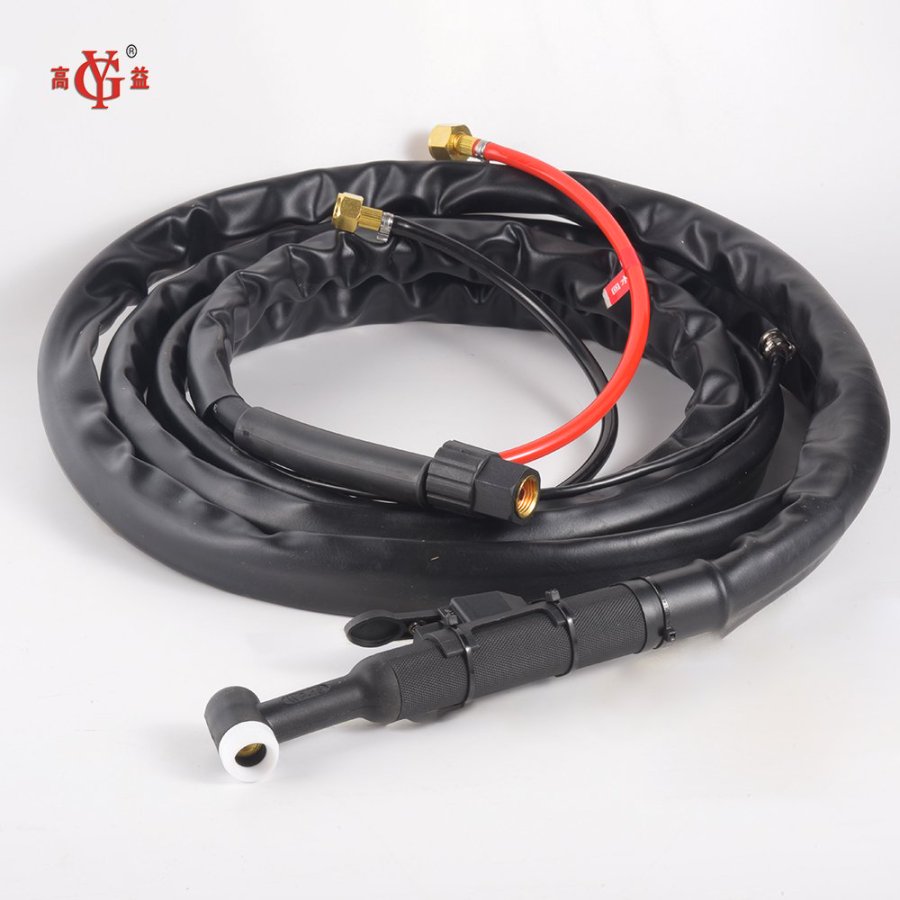

Choosing the Right Welding Torch Nozzle for Your Projects: A Comprehensive Guide
Jan 22,2026
Choosing the Right Welding Torch Nozzle for Your Projects
Welding projects require precision, skill, and the right tools to ensure quality results. One of the most critical components of any welding setup is the welding torch nozzle. The welding torch nozzle directs the flame and the shielding gas, playing a pivotal role in the overall success of your welding tasks. In this article, we will delve
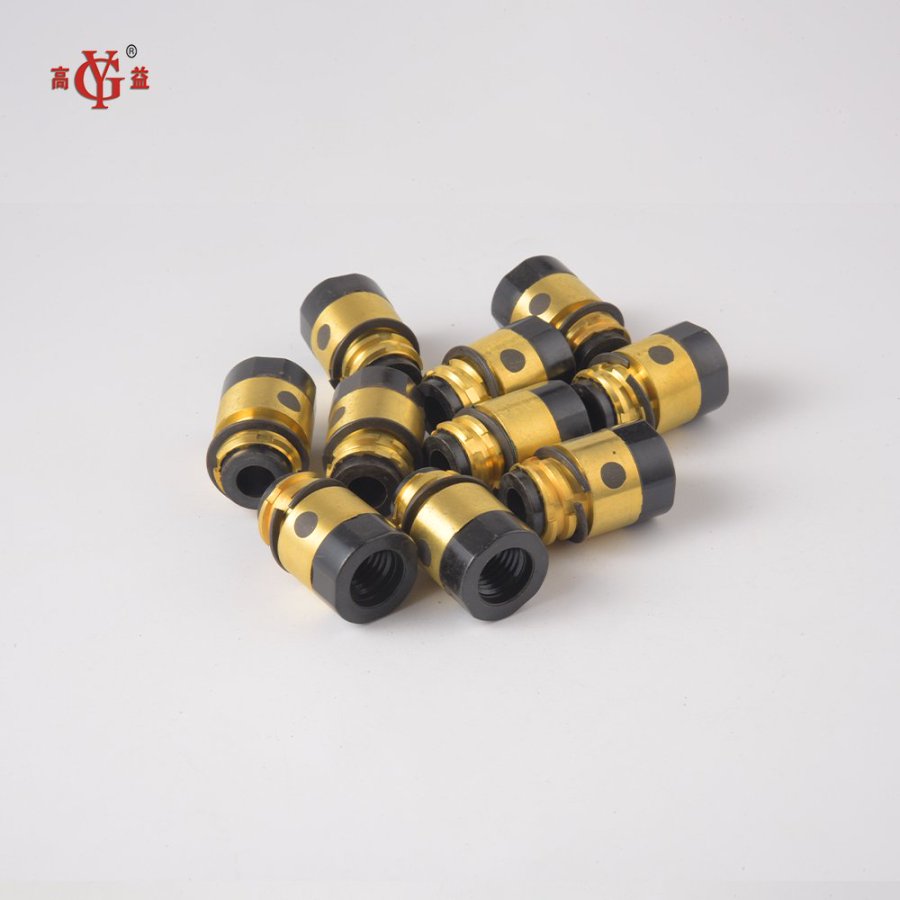
Choosing the Right Welding Torch Nozzle for Your Projects
Welding projects require precision, skill, and the right tools to ensure quality results. One of the most critical components of any welding setup is the welding torch nozzle. The welding torch nozzle directs the flame and the shielding gas, playing a pivotal role in the overall success of your welding tasks. In this article, we will delve into the essential aspects of selecting the perfect welding torch nozzle tailored to your specific projects.
Table of Contents
1. Understanding the Types of Welding Torch Nozzles
2. Factors to Consider When Choosing a Welding Torch Nozzle
2.1 Size of the Nozzle
2.2 Material Compatibility
2.3 Purpose of the Welding Project
3. Common Welding Applications and Recommended Nozzles
3.1 MIG Welding
3.2 TIG Welding
3.3 Stick Welding
4. Maintenance and Care for Welding Torch Nozzles
5. Frequently Asked Questions (FAQs)
6. Conclusion
1. Understanding the Types of Welding Torch Nozzles
Before we dive into the selection process, it's essential to understand the various types of welding torch nozzles available in the market. Each type is designed for specific welding techniques and applications.
- **MIG Welding Nozzles**: These nozzles are typically made of copper or brass and are used for Metal Inert Gas (MIG) welding. They come in various shapes and sizes, depending on the welding requirements.
- **TIG Welding Nozzles**: Tungsten Inert Gas (TIG) welding nozzles are usually made from ceramic or aluminum. They allow for precise control of the weld pool and are ideal for thinner materials.
- **Stick Welding Nozzles**: These nozzles are simpler and are used in Shielded Metal Arc Welding (SMAW). They protect the electrode from contamination during the welding process.
Understanding these types will help you select the best nozzle for your welding projects.
2. Factors to Consider When Choosing a Welding Torch Nozzle
When selecting a welding torch nozzle, it's crucial to consider several factors that will influence the effectiveness and efficiency of your welding tasks.
2.1 Size of the Nozzle
The size of the nozzle is a fundamental aspect to consider. Smaller nozzles provide a concentrated flame, ideal for precision welding on thin materials. Conversely, larger nozzles are better suited for thicker materials as they allow for a broader heat distribution. Selecting the appropriate size ensures optimal performance for your specific project.
2.2 Material Compatibility
Different materials require different welding approaches. For instance, aluminum requires a different nozzle design compared to steel or stainless steel. Understanding the material you will be working with is vital in selecting the correct nozzle that will enhance the welding process and ensure high-quality welds.
2.3 Purpose of the Welding Project
Your project's purpose—whether it's fabrication, repair, or hobby work—will influence your choice of nozzle. For example, if you are working on intricate designs, a smaller nozzle will provide the control needed for detail-oriented tasks. For heavy-duty applications, a more robust nozzle will be necessary.
3. Common Welding Applications and Recommended Nozzles
In this section, we will explore some common welding applications and the nozzle types best suited for each.
3.1 MIG Welding
For MIG welding, a variety of nozzles are available. Conical nozzles are commonly used for general-purpose welding, while larger gas coverage nozzles are recommended for outdoor applications where wind may disrupt the shielding gas. Choosing the right nozzle size and shape can significantly impact the weld quality.
3.2 TIG Welding
TIG welding requires precision, and the use of a gas lens nozzle can enhance the performance by providing a more stable and focused gas flow. Ceramic nozzles are often preferred as they can withstand higher temperatures and are less likely to distort during the welding process.
3.3 Stick Welding
Stick welding typically uses simpler nozzles, but it is essential to select one that fits securely with the electrode holder. A good-quality nozzle can help prevent spatter and ensure a cleaner weld.
4. Maintenance and Care for Welding Torch Nozzles
Maintaining your welding torch nozzle is essential for ensuring longevity and consistent performance. Here are some tips for proper care:
1. **Regular Cleaning**: Remove any spatter and debris after each use. A clean nozzle improves gas flow and prevents contamination of the weld area.
2. **Inspect for Damage**: Regularly check for cracks or wear. Damaged nozzles can lead to poor welding quality and should be replaced immediately.
3. **Proper Storage**: Store nozzles in a dry place to prevent corrosion. Using protective caps can also help maintain their integrity.
4. **Replacement Schedule**: Depending on usage, create a schedule for replacing nozzles to maintain optimal performance consistently.
5. Frequently Asked Questions (FAQs)
**Q1: What is the importance of using the correct welding torch nozzle?**
Using the correct nozzle ensures optimal gas flow, which is critical for achieving quality welds. It also affects the heat distribution and control during the welding process.
**Q2: How often should I replace my welding torch nozzle?**
The replacement frequency depends on usage. Inspect nozzles regularly, and replace them if you notice any signs of damage or wear.
**Q3: Can I use a MIG nozzle for TIG welding?**
No, MIG nozzles and TIG nozzles are designed for different welding processes and should not be interchanged.
**Q4: What type of nozzle is best for welding aluminum?**
For aluminum, a TIG torch with a gas lens nozzle is recommended as it provides better control and shielding.
**Q5: How do I prevent spatter when welding?**
Using the right nozzle size and maintaining proper technique can help minimize spatter. Regular cleaning of the nozzle is also crucial in preventing buildup.
6. Conclusion
Choosing the right welding torch nozzle is paramount for the success of your welding projects. By understanding the various types of nozzles, considering key factors such as size, material compatibility, and project purpose, you can select the most suitable nozzle for your needs. Regular maintenance and care of the nozzle will further enhance its performance, ensuring high-quality welds every time. With this comprehensive guide, we hope you feel confident in making informed decisions that will elevate your welding tasks to the next level.
TAG:
Related Posts

Understanding Non-Inductive Welding Cables for Stable Arc Performance
When it comes to welding applications, the choice of cables is crucial for achieving optimal performance and efficiency. Non-inductive welding cables are engineered specifically to provide stable arc characteristics, which are vital in ensuring high-quality welds. Unlike traditional inductive cables, non-inductive options minimize the inductive reactance that can lead to fluctuations in arc stabil