
Understanding Welding Wire Feeders for MIG Welding Systems: An Essential Component for Seamless Welding
Jan 21,2026
Welding is a critical process in various industries, from construction to automotive manufacturing. Among the different welding techniques, Metal Inert Gas (MIG) welding has gained popularity due to its speed and versatility. One of the core components that contribute to the efficiency of MIG welding systems is the welding wire feeder. This device is responsible for delivering the filler metal to
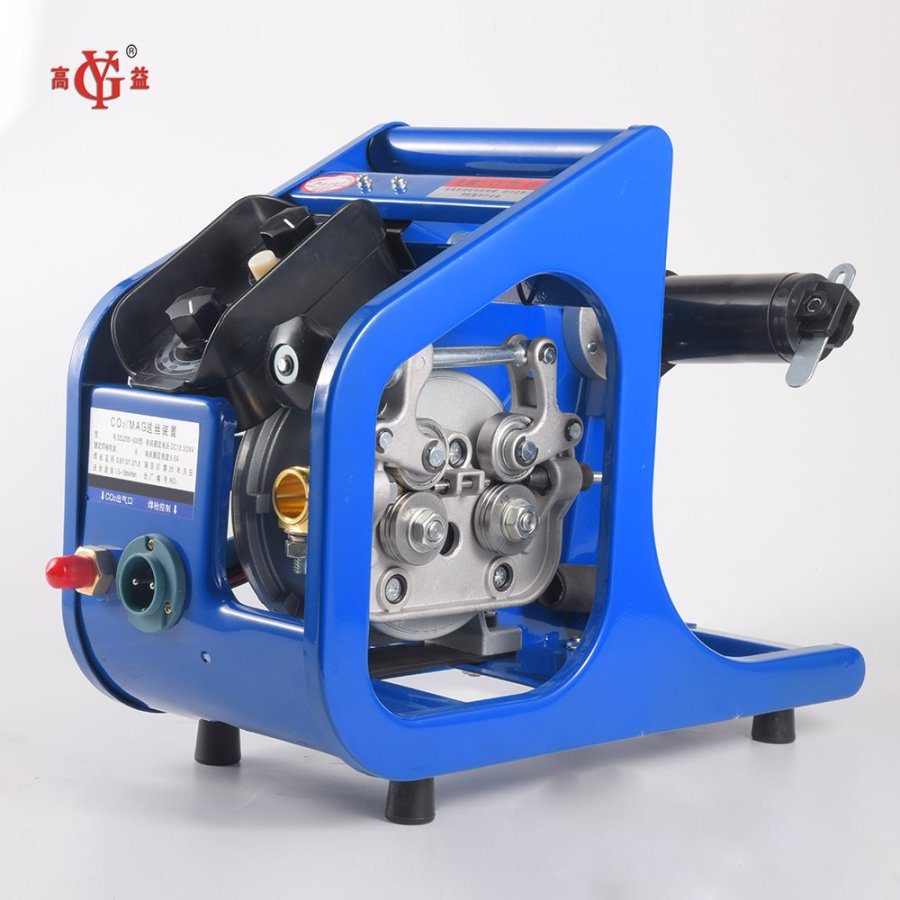
Welding is a critical process in various industries, from construction to automotive manufacturing. Among the different welding techniques, Metal Inert Gas (MIG) welding has gained popularity due to its speed and versatility. One of the core components that contribute to the efficiency of MIG welding systems is the welding wire feeder. This device is responsible for delivering the filler metal to the welding arc, making it a vital part of the welding setup.
A welding wire feeder operates by continuously feeding a spool of welding wire through a nozzle to the welding gun. This process is essential as it ensures a steady supply of filler material, which is crucial for maintaining a consistent weld quality. A properly functioning wire feeder can significantly enhance the performance of MIG welding systems, allowing for smoother and more efficient operations.
There are various types of welding wire feeders available, each with specific features tailored to different welding applications. Some feeders are designed for use with specific wire diameters, while others may accommodate a range of sizes. Additionally, wire feeders can vary in their feeding mechanisms; some use a push system, while others employ a pull system. Understanding these differences is important for professionals who need to select the right equipment for their specific welding tasks.
One of the key advantages of using a high-quality welding wire feeder is improved control over the welding process. A feeder that can adjust the speed of the wire delivery allows welders to fine-tune their techniques, leading to better weld penetration and appearance. This control is particularly important in applications where precision is critical.
Moreover, the design and construction of the wire feeder play a significant role in its performance. A robust and well-engineered wire feeder can withstand the rigors of industrial use, reduce downtime, and minimize maintenance requirements. Features such as adjustable tension, user-friendly interfaces, and compatibility with various wire types can enhance the overall welding experience.
In conclusion, the welding wire feeder is an indispensable component of MIG welding systems. Its ability to provide a consistent and controlled supply of filler metal directly influences the quality and efficiency of the welding process. By understanding the importance and functionality of this equipment, welders can make informed decisions when setting up their welding systems, ultimately leading to improved results in their projects. Whether you are a seasoned professional or new to the field, recognizing the value of a reliable welding wire feeder is essential for achieving successful welding outcomes.
A welding wire feeder operates by continuously feeding a spool of welding wire through a nozzle to the welding gun. This process is essential as it ensures a steady supply of filler material, which is crucial for maintaining a consistent weld quality. A properly functioning wire feeder can significantly enhance the performance of MIG welding systems, allowing for smoother and more efficient operations.
There are various types of welding wire feeders available, each with specific features tailored to different welding applications. Some feeders are designed for use with specific wire diameters, while others may accommodate a range of sizes. Additionally, wire feeders can vary in their feeding mechanisms; some use a push system, while others employ a pull system. Understanding these differences is important for professionals who need to select the right equipment for their specific welding tasks.
One of the key advantages of using a high-quality welding wire feeder is improved control over the welding process. A feeder that can adjust the speed of the wire delivery allows welders to fine-tune their techniques, leading to better weld penetration and appearance. This control is particularly important in applications where precision is critical.
Moreover, the design and construction of the wire feeder play a significant role in its performance. A robust and well-engineered wire feeder can withstand the rigors of industrial use, reduce downtime, and minimize maintenance requirements. Features such as adjustable tension, user-friendly interfaces, and compatibility with various wire types can enhance the overall welding experience.
In conclusion, the welding wire feeder is an indispensable component of MIG welding systems. Its ability to provide a consistent and controlled supply of filler metal directly influences the quality and efficiency of the welding process. By understanding the importance and functionality of this equipment, welders can make informed decisions when setting up their welding systems, ultimately leading to improved results in their projects. Whether you are a seasoned professional or new to the field, recognizing the value of a reliable welding wire feeder is essential for achieving successful welding outcomes.
TAG:
Related Posts

Understanding Non-Inductive Welding Cables for Stable Arc Performance
When it comes to welding applications, the choice of cables is crucial for achieving optimal performance and efficiency. Non-inductive welding cables are engineered specifically to provide stable arc characteristics, which are vital in ensuring high-quality welds. Unlike traditional inductive cables, non-inductive options minimize the inductive reactance that can lead to fluctuations in arc stabil