
Understanding MIG Welding Torches: Essential Knowledge for Efficient Welding
Jan 23,2026
MIG welding, or Metal Inert Gas welding, is a popular method favored for its ease of use and versatility across various materials. At the heart of this process lies the MIG welding torch, an essential component that facilitates the transfer of the welding wire to the base material while simultaneously supplying a shielding gas to protect the weld pool from contamination.
A typical MIG welding torc
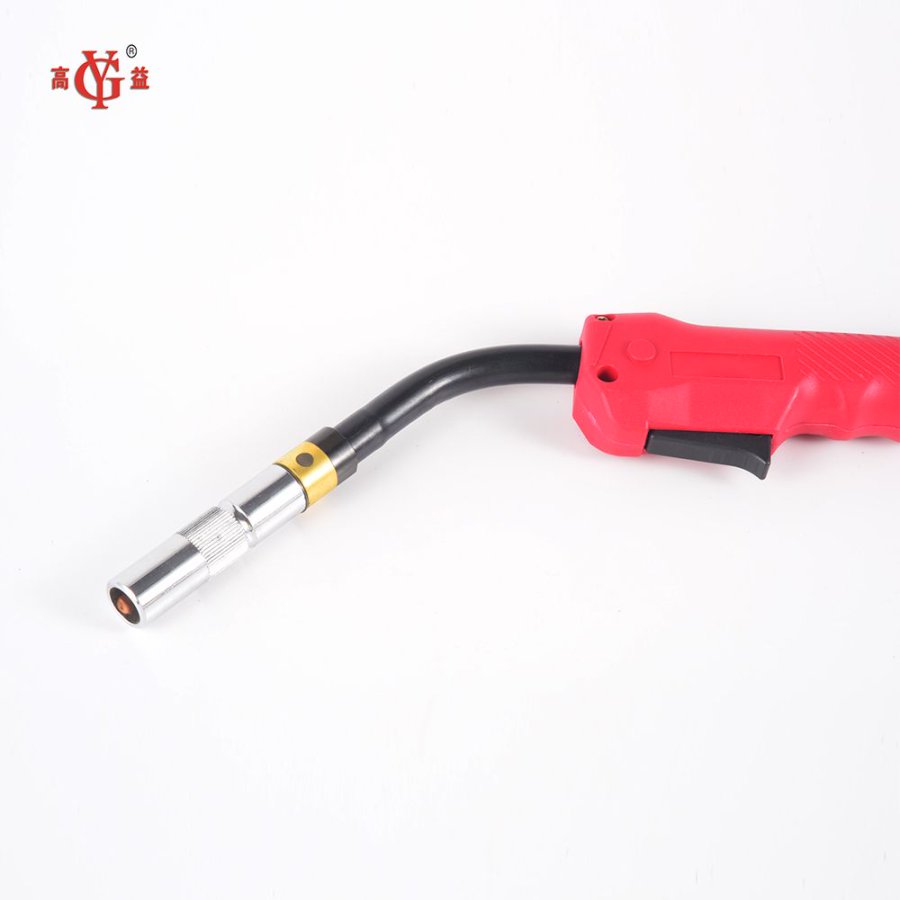
MIG welding, or Metal Inert Gas welding, is a popular method favored for its ease of use and versatility across various materials. At the heart of this process lies the MIG welding torch, an essential component that facilitates the transfer of the welding wire to the base material while simultaneously supplying a shielding gas to protect the weld pool from contamination.
A typical MIG welding torch consists of several key parts: the nozzle, contact tip, and the gas diffuser. The nozzle serves to direct the inert gas towards the weld pool, ensuring a clean and uncontaminated weld. The contact tip is crucial, as it conducts the electrical current necessary for melting the welding wire, allowing it to fuse with the base material. The gas diffuser helps in evenly distributing the shielding gas, playing a vital role in the overall weld quality.
When selecting a MIG welding torch, it is essential to consider the amperage rating, which should align with the specific welding tasks. Higher amperage allows for a thicker welding wire and deeper penetration, whereas lower amperage is suitable for thinner materials. Additionally, the torch's design, such as its length and handle style, can significantly affect usability and comfort during extended welding sessions.
Proper maintenance of MIG welding torches is paramount for ensuring longevity and consistent performance. It's advisable to regularly check the contact tip for wear and replace it as necessary. Keeping the nozzle clean from spatter and debris will also enhance gas flow and protect against potential blockages. Furthermore, inspecting gas hoses for leaks and ensuring that connections are secure will help maintain reliable gas delivery.
Safety is a critical consideration when using MIG welding torches. Welders should always wear appropriate protective gear, including gloves, a welding helmet with the correct shade, and long sleeves to shield against sparks and heat. Additionally, ensuring proper ventilation in the workspace will minimize the inhalation of harmful fumes generated during the welding process.
In summary, understanding the components and functionality of MIG welding torches is essential for anyone involved in welding. By paying attention to factors such as amperage rating, maintenance, and safety precautions, welders can significantly improve the quality of their work while enhancing their overall welding experience. Adopting best practices with MIG welding torches not only facilitates effective welding but also contributes to a safer and more efficient working environment.
TAG:
Related Posts
Understanding Non-Inductive Welding Cables for Stable Arc Performance
In the realm of welding, maintaining a stable arc is crucial for achieving high-quality results. One of the key components that facilitate this is the use of non-inductive welding cables. These cables are designed to minimize inductance, which can lead to fluctuations in the arc, thereby ensuring a consistent and reliable performance.
Non-inductive welding cables typically feature a unique constru