
Spot Welding Electrode Caps: Understanding Their Role in Safety
Jan 20,2026
Spot Welding Electrode Caps: Understanding Their Role in Safety
Table of Contents
1. Introduction to Spot Welding Electrode Caps
2. What Are Spot Welding Electrode Caps?
3. Importance of Spot Welding Electrode Caps
4. Materials and Design of Electrode Caps
5. Safety Implications of Using Electrode Caps
6. Installation and Maintenance of Spot Welding Electrode Caps
7. Troubleshooting
Spot Welding Electrode Caps: Understanding Their Role in Safety
Table of Contents
- 1. Introduction to Spot Welding Electrode Caps
- 2. What Are Spot Welding Electrode Caps?
- 3. Importance of Spot Welding Electrode Caps
- 4. Materials and Design of Electrode Caps
- 5. Safety Implications of Using Electrode Caps
- 6. Installation and Maintenance of Spot Welding Electrode Caps
- 7. Troubleshooting Common Issues with Electrode Caps
- 8. The Future of Spot Welding Electrode Caps
- 9. Conclusion
- 10. FAQs
1. Introduction to Spot Welding Electrode Caps
In the realm of welding, **safety** is paramount. Among the various components that contribute to a safe welding environment, **spot welding electrode caps** play an essential role. These caps not only protect the welding electrodes but also enhance the quality and safety of the welding process. This article will explore the importance of these caps, their materials and design, and their critical role in ensuring a safe working environment.
2. What Are Spot Welding Electrode Caps?
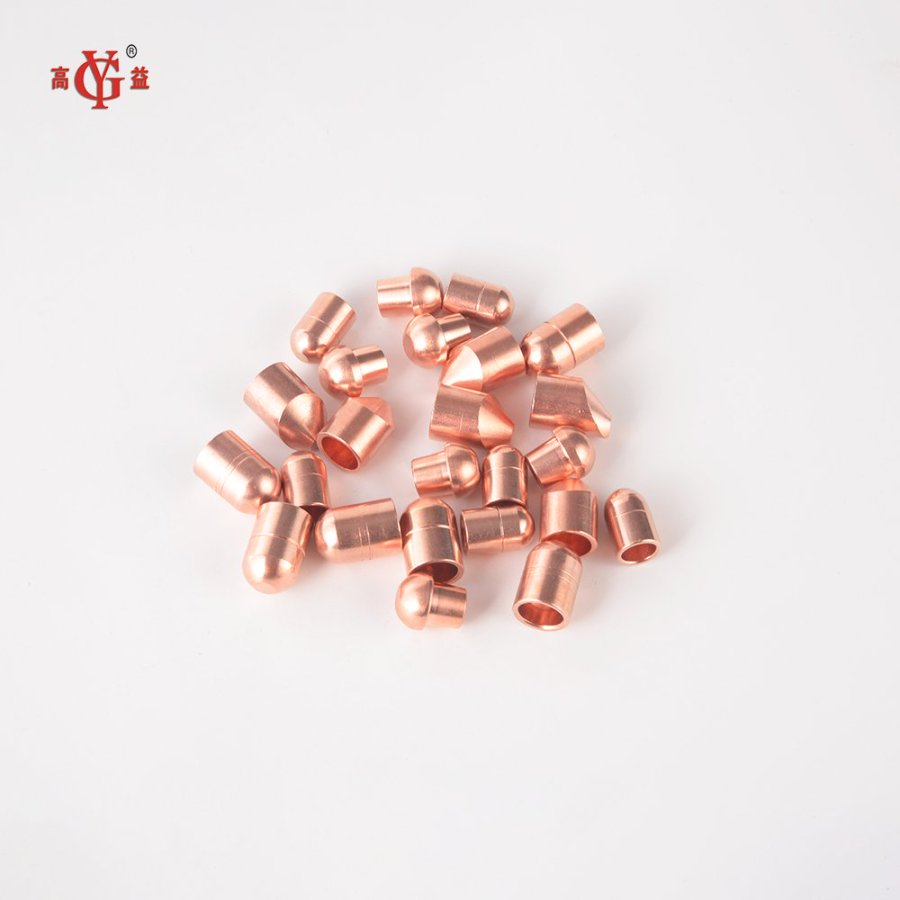
Spot welding electrode caps are protective covers designed specifically for **welding electrodes** used in spot welding machines. They serve several functions, including:
- Shielding the electrode from damage
- Enhancing the welding process's efficiency
- Minimizing the risk of **electric shock** and other accidents
These caps are usually made from durable materials that can withstand extreme heat and pressure, ensuring they remain effective throughout their lifecycle.
3. Importance of Spot Welding Electrode Caps
The significance of spot welding electrode caps cannot be overstated. Here are a few key reasons why they are essential:
3.1 Enhancing Safety
By covering the electrodes, these caps provide additional protection against accidental contact. This is especially crucial in high-traffic areas of a workshop where multiple operators may be working simultaneously.
3.2 Improving Welding Quality
Electrode caps can contribute to a more stable welding arc, which is vital for achieving consistent and high-quality welds. When electrodes are protected from contamination and wear, the quality of the weld improves dramatically.
3.3 Reducing Maintenance Costs
Regularly replacing worn-out electrode caps can significantly reduce the wear and tear on the electrodes themselves. This leads to fewer replacements and less downtime, ultimately resulting in cost savings for businesses.
4. Materials and Design of Electrode Caps
Spot welding electrode caps are typically made from various materials, each with its own set of properties.
4.1 Common Materials Used
- **Copper**: Known for its excellent thermal and electrical conductivity, copper is a popular choice for electrode caps.
- **Nickel Alloys**: These materials offer superior corrosion resistance and are often used for high-temperature applications.
- **Ceramic Coatings**: Some caps are coated with ceramics to enhance their durability and heat resistance.
4.2 Design Considerations
The design of electrode caps should be tailored to fit specific electrode types and machine configurations. Features to consider include:
- **Shape**: The shape of the cap affects how heat is distributed during welding.
- **Thickness**: A thicker cap may offer better protection but can also affect the overall weight and balance of the electrode.
5. Safety Implications of Using Electrode Caps
Understanding the safety implications of using spot welding electrode caps is crucial for maintaining a safe working environment.
5.1 Preventing Electric Shock
Accidental contact with live electrodes can lead to severe injuries. Using properly fitted electrode caps helps mitigate this risk, providing a physical barrier between the operator and the electrical current.
5.2 Reducing Burns and Injuries
Welding generates intense heat, and exposed electrodes can cause burns. Caps shield operators from direct contact with hot surfaces, reducing the likelihood of injuries.
6. Installation and Maintenance of Spot Welding Electrode Caps
To ensure optimal performance and safety, proper installation and maintenance of electrode caps are essential.
6.1 Installation Guidelines
- Ensure the electrode is clean before attaching the cap.
- Align the cap correctly to prevent it from becoming loose during operation.
- Regularly check for signs of wear or damage to the caps.
6.2 Maintenance Best Practices
- Inspect electrode caps before each use.
- Replace caps that show signs of wear, such as cracks or significant discoloration.
- Clean caps regularly to remove any debris or contaminants that might affect their performance.
7. Troubleshooting Common Issues with Electrode Caps
Even with the best maintenance practices, issues can arise. Here are some common problems and their solutions:
7.1 Uneven Welding Quality
If the welding quality is inconsistent, check the condition of the electrode caps. Worn or damaged caps can affect the welding arc.
7.2 Frequent Breakdowns
Regular breakdowns might indicate that electrode caps are not being replaced frequently enough. Implement a replacement schedule to mitigate this issue.
7.3 Overheating
If you notice the electrode caps are overheating, it may be due to improper design or material. Consider upgrading to high-temperature resistant materials.
8. The Future of Spot Welding Electrode Caps
As technology advances, so too will the design and capabilities of spot welding electrode caps. Future developments may include:
8.1 Smart Electrode Caps
Integrating sensors into electrode caps could provide real-time data on their condition, alerting operators when replacements are needed.
8.2 Advanced Materials
Research into new materials, such as composites or nanomaterials, may lead to even more durable and efficient electrode caps that can withstand extreme conditions.
9. Conclusion
Spot welding electrode caps are an indispensable component in ensuring safety and efficiency in welding operations. By understanding their role, materials, and maintenance practices, operators can significantly enhance the productivity and safety of their welding processes. Investing in high-quality electrode caps not only protects workers but also leads to better welding outcomes and reduced operational costs.
10. FAQs
What are the main functions of spot welding electrode caps?
Spot welding electrode caps are designed to protect the electrodes, enhance welding quality, and improve safety by preventing accidental contact.
How often should electrode caps be replaced?
The frequency of replacement depends on the usage and wear. Regular inspections should be conducted to determine when caps need replacing.
Can I use electrode caps from different manufacturers?
It is advisable to use caps that are specifically designed for your electrode and machine model to ensure compatibility and optimal performance.
What materials are best for electrode caps?
Copper and nickel alloys are common choices due to their excellent conductivity and heat resistance, while ceramic coatings can provide additional durability.
How can I troubleshoot overheating electrode caps?
If electrode caps are overheating, inspect for damage, ensure proper installation, and consider using caps made from higher temperature-resistant materials.
By focusing on these detailed aspects of spot welding electrode caps, we provide valuable insights into their importance, ensuring a safer and more efficient welding environment.
TAG:
Related Posts

Understanding Non-Inductive Welding Cables for Stable Arc Performance
When it comes to welding applications, the choice of cables is crucial for achieving optimal performance and efficiency. Non-inductive welding cables are engineered specifically to provide stable arc characteristics, which are vital in ensuring high-quality welds. Unlike traditional inductive cables, non-inductive options minimize the inductive reactance that can lead to fluctuations in arc stabil