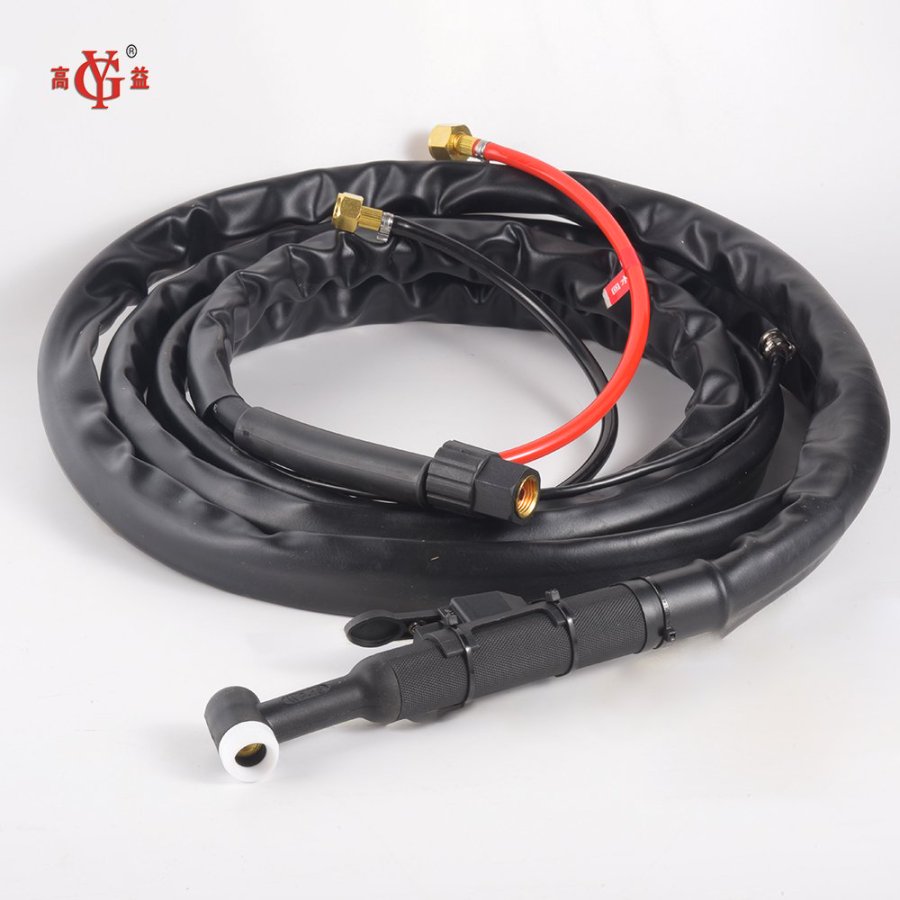

Understanding Spot Welding Electrode Arms: The Backbone of Efficient Welding
Jan 19,2026
Spot welding is a widely used technique in various industries, providing strong and durable joints for metal components. At the heart of this process lies the spot welding electrode arm, a crucial component that plays a significant role in the efficiency and quality of welds. Understanding the function and maintenance of these arms can enhance your welding operations and prolong the lifespan of yo
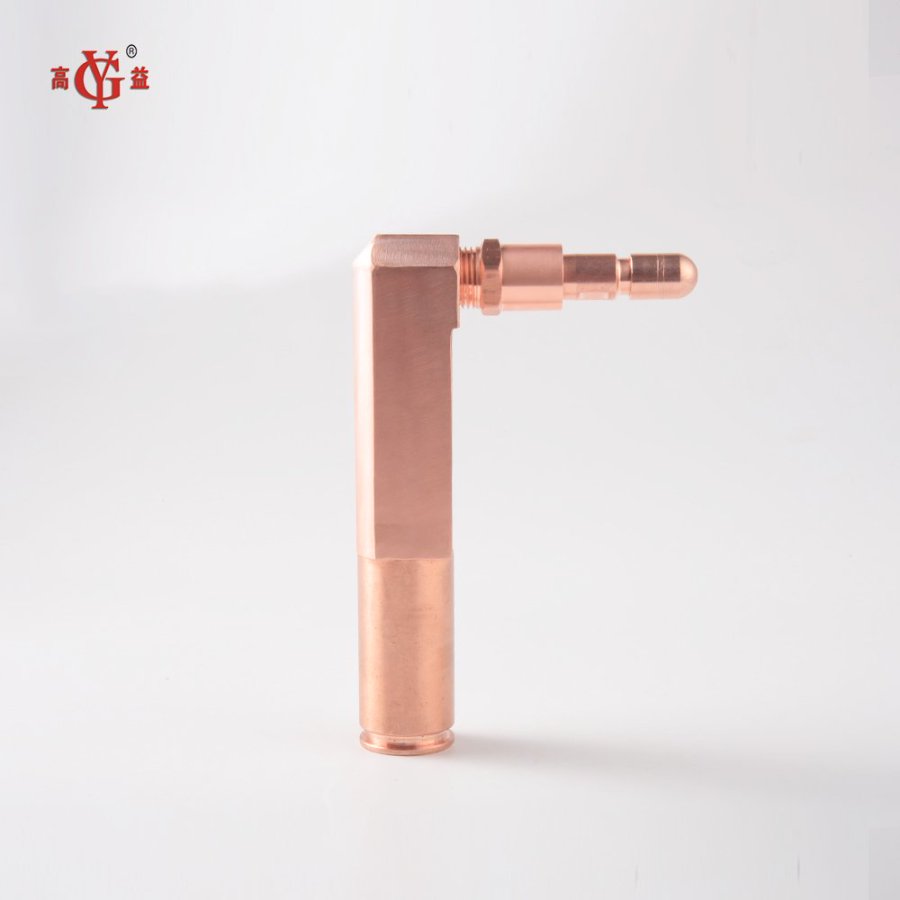
Spot welding is a widely used technique in various industries, providing strong and durable joints for metal components. At the heart of this process lies the spot welding electrode arm, a crucial component that plays a significant role in the efficiency and quality of welds. Understanding the function and maintenance of these arms can enhance your welding operations and prolong the lifespan of your equipment.
The spot welding electrode arm's primary function is to hold and position the welding electrodes, which apply the necessary pressure and electrical current to create a weld. Typically made from robust materials designed to withstand high heat and mechanical stress, these arms must be both strong and flexible to accommodate various welding tasks. Proper alignment and positioning of the electrode arms are essential to ensure consistent and effective welds.
One of the key aspects of spot welding electrode arms is their design. They are engineered to provide precise control over the welding process, allowing welders to create strong joints in a variety of materials. The design often includes features that enable easy adjustments, accommodating different thicknesses and types of metals. Additionally, the arms must be compatible with the welding machine to ensure seamless integration and optimal performance.
Maintenance of spot welding electrode arms is critical for ensuring their longevity and efficiency. Regular inspections for wear and tear, including checking the condition of the electrodes and the arm itself, can prevent costly breakdowns and extend the life of the equipment. Cleaning the arms to remove any accumulated debris and ensuring that the electrical connections are secure is also vital in maintaining optimal performance.
Another factor to consider is the choice of electrodes, which are often interchangeable depending on the application's requirements. The type of electrode used can significantly impact the quality of the weld, so it’s important to select the right one based on the materials being welded and the specifications of the project.
In conclusion, the spot welding electrode arm is an indispensable part of the welding process. By understanding its function, design, and maintenance needs, welders can enhance their operational efficiency and produce high-quality welds. Regular care and appropriate adjustments ensure that these arms continue to perform at their best, facilitating strong and reliable connections in metal fabrication.
The spot welding electrode arm's primary function is to hold and position the welding electrodes, which apply the necessary pressure and electrical current to create a weld. Typically made from robust materials designed to withstand high heat and mechanical stress, these arms must be both strong and flexible to accommodate various welding tasks. Proper alignment and positioning of the electrode arms are essential to ensure consistent and effective welds.
One of the key aspects of spot welding electrode arms is their design. They are engineered to provide precise control over the welding process, allowing welders to create strong joints in a variety of materials. The design often includes features that enable easy adjustments, accommodating different thicknesses and types of metals. Additionally, the arms must be compatible with the welding machine to ensure seamless integration and optimal performance.
Maintenance of spot welding electrode arms is critical for ensuring their longevity and efficiency. Regular inspections for wear and tear, including checking the condition of the electrodes and the arm itself, can prevent costly breakdowns and extend the life of the equipment. Cleaning the arms to remove any accumulated debris and ensuring that the electrical connections are secure is also vital in maintaining optimal performance.
Another factor to consider is the choice of electrodes, which are often interchangeable depending on the application's requirements. The type of electrode used can significantly impact the quality of the weld, so it’s important to select the right one based on the materials being welded and the specifications of the project.
In conclusion, the spot welding electrode arm is an indispensable part of the welding process. By understanding its function, design, and maintenance needs, welders can enhance their operational efficiency and produce high-quality welds. Regular care and appropriate adjustments ensure that these arms continue to perform at their best, facilitating strong and reliable connections in metal fabrication.
TAG:
Related Posts

Understanding Non-Inductive Welding Cables for Stable Arc Performance
When it comes to welding applications, the choice of cables is crucial for achieving optimal performance and efficiency. Non-inductive welding cables are engineered specifically to provide stable arc characteristics, which are vital in ensuring high-quality welds. Unlike traditional inductive cables, non-inductive options minimize the inductive reactance that can lead to fluctuations in arc stabil