
How Plasma Cutting Can Enhance Your Metal Fabrication Skills
Sep 04,2026
How Plasma Cutting Can Enhance Your Metal Fabrication Skills
Table of Contents
Introduction to Plasma Cutting
What is Plasma Cutting?
Benefits of Plasma Cutting in Metal Fabrication
Speed and Efficiency
Precision and Quality
Versatility of Applications
How to Use Plasma Cutters Effectively
Preparation

How Plasma Cutting Can Enhance Your Metal Fabrication Skills
Table of Contents
- Introduction to Plasma Cutting
- What is Plasma Cutting?
- Benefits of Plasma Cutting in Metal Fabrication
- How to Use Plasma Cutters Effectively
- Common Mistakes to Avoid in Plasma Cutting
- Applications of Plasma Cutting in Various Industries
- The Future of Plasma Cutting Technology
- Conclusion
Introduction to Plasma Cutting
Plasma cutting has revolutionized the world of metal fabrication. This innovative technology allows for the precise cutting of various types of metals using a high-temperature plasma jet. In this article, we will delve into how mastering plasma cutting can significantly enhance your metal fabrication skills, improve your work efficiency, and elevate the quality of your finished products. Whether you're a seasoned professional or just starting your journey in metalworking, understanding plasma cutting is essential for your success.
What is Plasma Cutting?
At its core, **plasma cutting** is a process that involves using a high-velocity jet of ionized gas, or plasma, to cut through electrically conductive materials. The plasma reaches temperatures exceeding 20,000 degrees Celsius, allowing it to melt and expel material from the cut. This method is particularly effective for cutting metals such as steel, aluminum, brass, and copper, making it indispensable in various fabrication industries.
How Plasma Cutting Works
The process initiates by creating an electrical arc between an electrode and the workpiece. This arc ionizes the gas (usually air, oxygen, or nitrogen), converting it into plasma. The plasma jet then travels through a nozzle, where it concentrates the energy, enhancing its cutting ability. The combination of heat and kinetic energy allows for clean, efficient cuts with minimal distortion.
Benefits of Plasma Cutting in Metal Fabrication
Plasma cutting offers a multitude of advantages that can greatly enhance your metal fabrication skills. Here are some key benefits:
Speed and Efficiency
One of the most significant advantages of plasma cutting is its speed. Compared to traditional cutting methods like oxy-fuel cutting, plasma cutting operates at a much faster pace, enabling fabricators to complete projects in less time. This increased efficiency can lead to higher productivity, allowing for more jobs to be completed within set deadlines.
Precision and Quality
Plasma cutting is renowned for its accuracy. The focused plasma jet provides a narrow kerf (the width of the cut), resulting in cleaner edges with minimal slag. This level of precision reduces the need for secondary finishing processes, saving time and resources. Moreover, the exceptional quality of cuts enhances the overall appearance of the final product.
Versatility of Applications
Plasma cutting is not limited to just one type of metal; it can cut through various materials, including stainless steel and aluminum, making it a versatile choice for different projects. Whether you're working on intricate designs or heavy-duty industrial applications, plasma cutting adapts to your needs, offering flexibility in your metal fabrication endeavors.
How to Use Plasma Cutters Effectively
While plasma cutting technology is powerful, knowing how to use it correctly is essential for achieving optimal results. Here are critical steps to effectively operate a plasma cutter:
Preparation and Safety
Before beginning any cutting process, ensure that you have the appropriate safety gear, including gloves, a face shield, and protective clothing. Additionally, prepare your workspace by removing any flammable materials and ensuring proper ventilation. Check the plasma cutter settings and verify that the consumables (electrode and nozzle) are in good condition to ensure efficient cutting.
Operating the Plasma Cutter
Once your workspace is prepared, it's time to operate the plasma cutter. Begin by establishing the required amperage for the thickness and type of material you'll be cutting. Position the torch at the desired angle and distance from the material. Initiate the arc and begin cutting by moving the torch along the marked line. Maintain a steady speed to ensure a consistent cut.
Post-Cutting Process
After completing the cut, inspect the edges for quality. Remove any slag or dross that may have accumulated during the process. It's crucial to clean the cut edges, especially if further processing is required, such as welding or finishing.
Common Mistakes to Avoid in Plasma Cutting
Even experienced fabricators can make mistakes when using plasma cutting. Here are common pitfalls to avoid:
1. **Incorrect Amperage Settings**: Setting the amperage too low can result in incomplete cuts, while too high can lead to excessive heat and distortion. Always refer to the manufacturer's guidelines for the appropriate settings for specific materials.
2. **Improper Torch Angle**: Maintaining the right torch angle ensures a clean cut. A tilted torch can compromise the cut quality and lead to inaccuracies.
3. **Neglecting Material Thickness**: Failing to adjust settings based on material thickness can lead to poor cutting performance. Always consider the thickness of the metal before starting.
4. **Ignoring Maintenance**: Regular maintenance of the plasma cutter is crucial for optimal performance. Replace worn consumables and clean the machine to prevent operational issues.
5. **Inadequate Safety Measures**: Always prioritize safety by wearing proper protective gear and maintaining a clean work environment. Accidents can lead to serious injuries and equipment damage.
Applications of Plasma Cutting in Various Industries
Plasma cutting finds extensive applications across multiple industries, making it a valuable skill for fabricators. Here are some prominent fields where plasma cutting shines:
Manufacturing and Fabrication
In manufacturing, plasma cutting is widely used for creating parts and components for machinery, vehicles, and structures. Its speed and precision make it ideal for high-volume production.
Automotive Industry
In the automotive sector, plasma cutting is used for cutting body panels, frames, and exhaust systems. The ability to achieve intricate shapes and designs is invaluable in vehicle manufacturing.
Construction and Architecture
Plasma cutting plays a vital role in steel construction and architectural design. It allows for the precise cutting of beams, columns, and decorative features, contributing to innovative building designs.
Aerospace Industry
In aerospace, where precision is paramount, plasma cutting is utilized for cutting and shaping components with strict tolerances. Lightweight materials like aluminum and titanium are commonly processed using this method.
Artistic Metalwork
Artists and craftsmen leverage plasma cutting for creating intricate metal sculptures and decorative pieces. The versatility of plasma cutting opens up endless possibilities for creative expression.
The Future of Plasma Cutting Technology
As technology continues to evolve, so does plasma cutting. Future advancements may include enhanced automation, improved energy efficiency, and smarter control systems. These innovations will likely lead to even higher precision and customization options, making plasma cutting an indispensable tool in metal fabrication.
The integration of artificial intelligence (AI) and machine learning may allow for adaptive cutting strategies, enabling the plasma cutter to adjust settings on-the-fly based on real-time feedback from the material being cut.
Conclusion
In conclusion, understanding and mastering plasma cutting can significantly enhance your metal fabrication skills. The speed, precision, and versatility of this cutting process make it an essential tool in various industries. By following best practices and avoiding common mistakes, you can ensure successful and efficient cutting operations. Embracing plasma cutting not only improves the quality of your work but also opens up new opportunities for innovation in metal fabrication. As you continue to refine your skills, the benefits of plasma cutting will undoubtedly elevate your projects to new heights of excellence.
TAG:
Related Posts
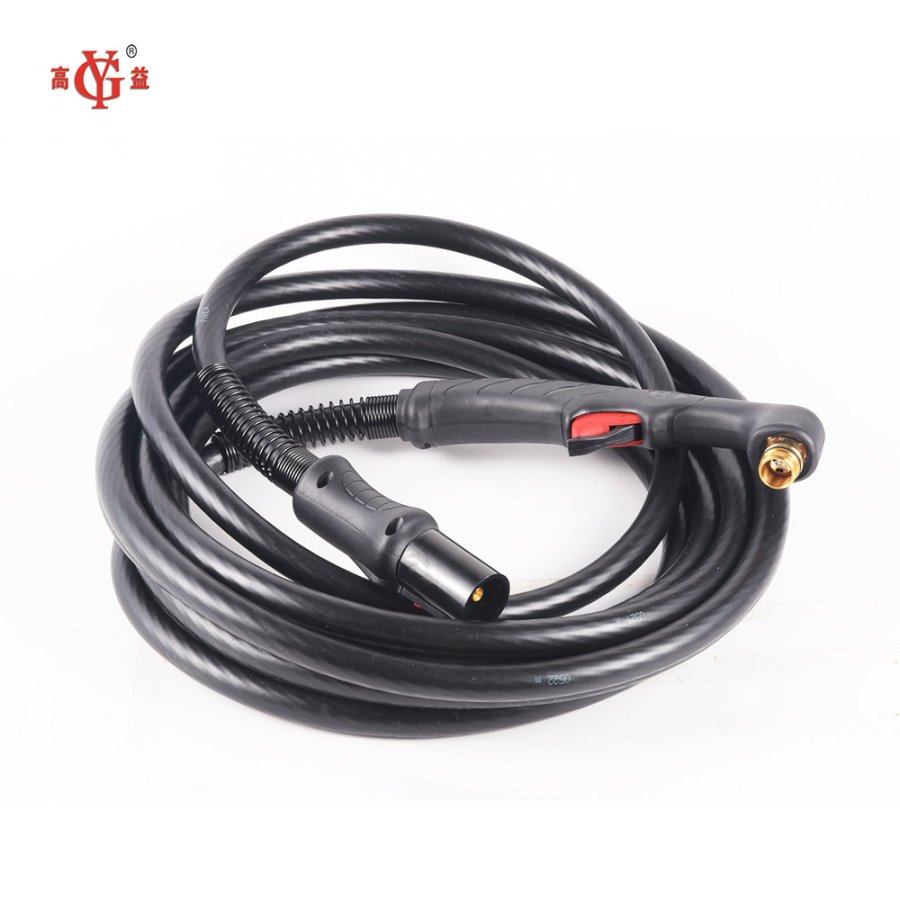
Exploring the Advantages of Plasma Cutting Torches for Metal Fabrication
Plasma cutting torches have revolutionized the metal fabrication industry, offering manufacturers a highly efficient and precise method for cutting various metals. This technology employs a high-velocity jet of ionized gas, or plasma, which reaches temperatures that can melt through metals with remarkable speed and accuracy. Understanding the intricacies of plasma cutting torches can greatly enhan