
The Essential Guide to TIG Welding Torches: Understanding Their Role and Functionality
Sep 03,2026
When it comes to the world of welding, the TIG (Tungsten Inert Gas) welding torch stands out as a crucial tool that helps deliver precise and high-quality welds. Understanding the components and functionality of a TIG welding torch can greatly impact the quality of your work, whether you are a professional welder or a hobbyist.
A TIG welding torch primarily consists of several key components: the
When it comes to the world of welding, the TIG (Tungsten Inert Gas) welding torch stands out as a crucial tool that helps deliver precise and high-quality welds. Understanding the components and functionality of a TIG welding torch can greatly impact the quality of your work, whether you are a professional welder or a hobbyist.
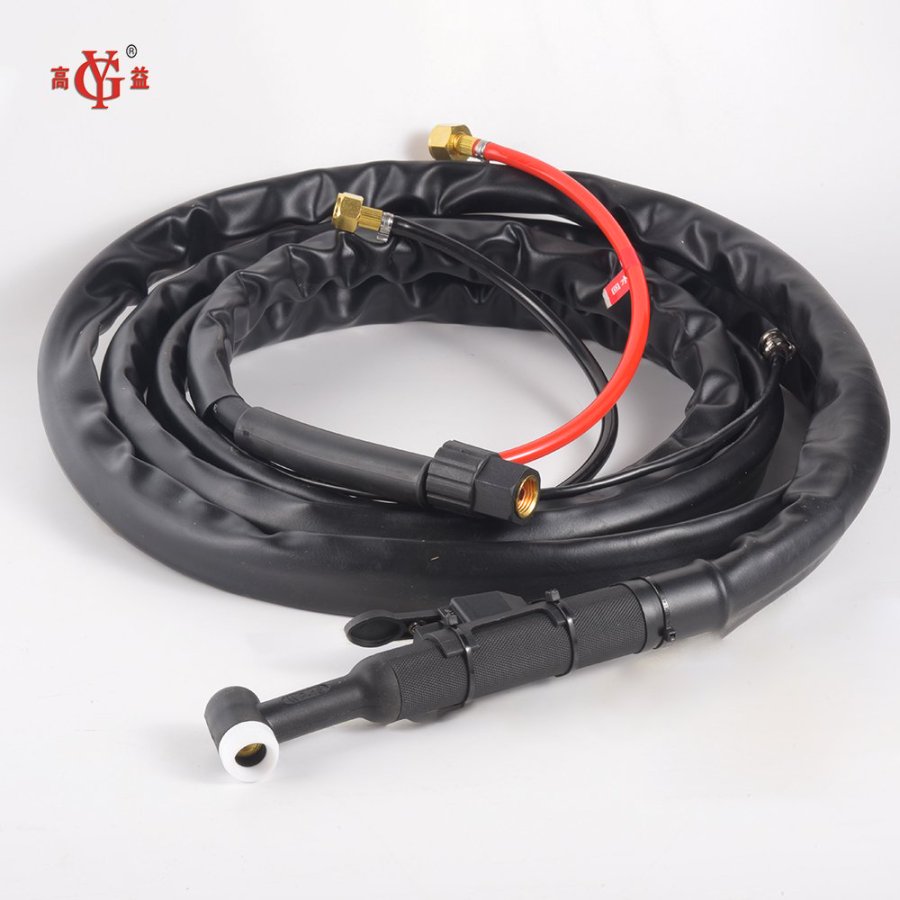
A TIG welding torch primarily consists of several key components: the tungsten electrode, the collet, the collet body, the gas nozzle, and the back cap. The tungsten electrode is responsible for producing the arc necessary for welding. Depending on your specific welding project, different types of tungsten can be used, such as pure tungsten or thoriated tungsten, with each type offering unique benefits.
The collet and collet body work together to hold the tungsten electrode securely in place. This is crucial because even the slightest movement can affect the arc stability and, consequently, the quality of the weld. The gas nozzle serves an equally important function by directing the shielding gas – typically argon – around the weld pool. This shielding gas is essential as it protects the molten weld area from atmospheric contamination, which can lead to defects in the weld.
Moreover, adjustable settings on a TIG welding torch allow for greater versatility. Welders can adapt the gas flow rate and arc length according to the specific requirements of the material being welded. This capacity for adjustment makes TIG welding an excellent choice for thin materials, where precision is paramount.
Proper maintenance of your TIG welding torch can significantly enhance its lifespan and performance. Regularly checking for wear on the tungsten electrode and ensuring that the gas nozzle is free from obstructions can prevent many common welding issues. Additionally, using the correct settings for the material type and thickness can optimize your welding results.
In conclusion, understanding the functions and components of a TIG welding torch is vital for achieving high-quality welds. Whether you are working with stainless steel, aluminum, or mild steel, the right torch can make all the difference. By mastering the use of a TIG welding torch, you can elevate your welding skills and produce work that meets the highest standards of quality. Remember, the key to successful welding lies in both the equipment and the welder's knowledge and experience.
A TIG welding torch primarily consists of several key components: the tungsten electrode, the collet, the collet body, the gas nozzle, and the back cap. The tungsten electrode is responsible for producing the arc necessary for welding. Depending on your specific welding project, different types of tungsten can be used, such as pure tungsten or thoriated tungsten, with each type offering unique benefits.
The collet and collet body work together to hold the tungsten electrode securely in place. This is crucial because even the slightest movement can affect the arc stability and, consequently, the quality of the weld. The gas nozzle serves an equally important function by directing the shielding gas – typically argon – around the weld pool. This shielding gas is essential as it protects the molten weld area from atmospheric contamination, which can lead to defects in the weld.
Moreover, adjustable settings on a TIG welding torch allow for greater versatility. Welders can adapt the gas flow rate and arc length according to the specific requirements of the material being welded. This capacity for adjustment makes TIG welding an excellent choice for thin materials, where precision is paramount.
Proper maintenance of your TIG welding torch can significantly enhance its lifespan and performance. Regularly checking for wear on the tungsten electrode and ensuring that the gas nozzle is free from obstructions can prevent many common welding issues. Additionally, using the correct settings for the material type and thickness can optimize your welding results.
In conclusion, understanding the functions and components of a TIG welding torch is vital for achieving high-quality welds. Whether you are working with stainless steel, aluminum, or mild steel, the right torch can make all the difference. By mastering the use of a TIG welding torch, you can elevate your welding skills and produce work that meets the highest standards of quality. Remember, the key to successful welding lies in both the equipment and the welder's knowledge and experience.
TAG:
Related Posts
The Art of TIG Welding: Mastering Your Torch for Perfect Results
The Art of TIG Welding: Mastering Your Torch for Perfect Results
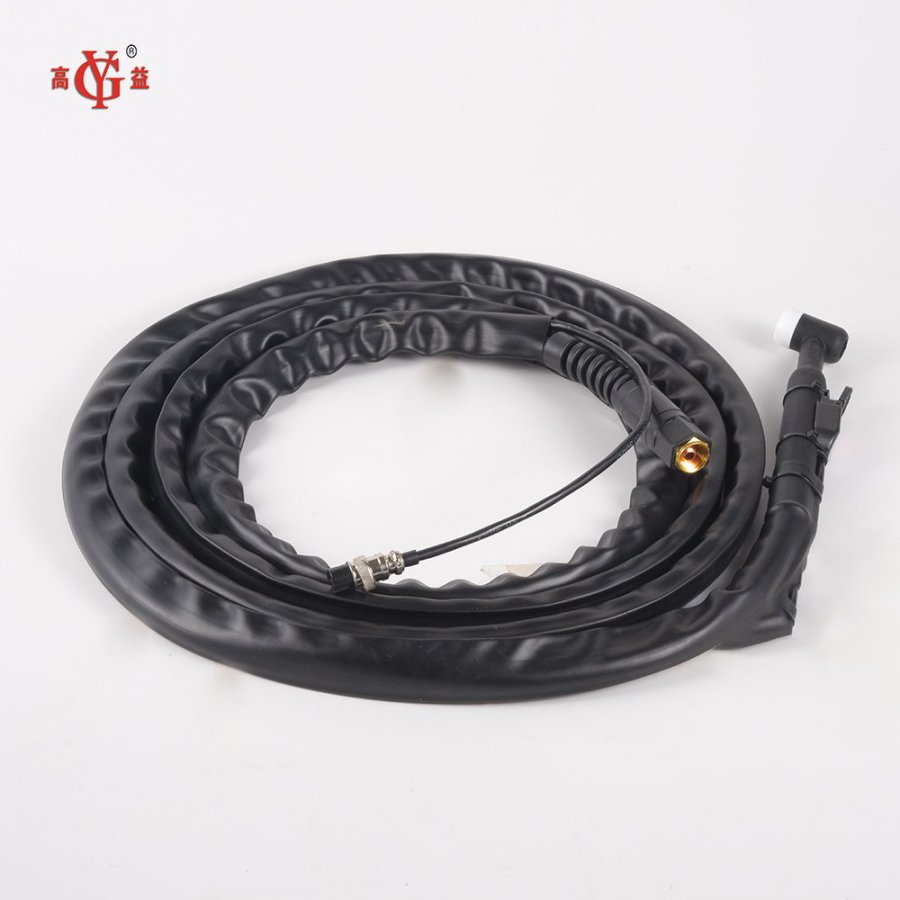
TIG (Tungsten Inert Gas) welding is a sophisticated process that requires a deep understanding of technique, equipment, and material behavior. In this extensive guide, we will explore the nuances of mastering your TIG torch, focusing on achieving perfect results in your welding projects.
Table of Contents
1. Introduction to TIG Weldi