
Advancements in Spot Welding Electrode Arm Technology: Shaping the Future of Welding
Nov 10,2026
Advancements in Spot Welding Electrode Arm Technology
Table of Contents
1. Introduction to Spot Welding and its Importance
2. The Role of Electrode Arms in Spot Welding
3. Historical Perspective on Spot Welding Electrode Arm Technology
4. Recent Innovations in Electrode Arm Design
4.1 Ergonomic Designs for Enhanced Operator Comfort
4.2 Lightweight Materials for Increased Efficiency
5. The Impact o
Advancements in Spot Welding Electrode Arm Technology
Table of Contents
1. Introduction to Spot Welding and its Importance
2. The Role of Electrode Arms in Spot Welding
3. Historical Perspective on Spot Welding Electrode Arm Technology
4. Recent Innovations in Electrode Arm Design
4.1 Ergonomic Designs for Enhanced Operator Comfort
4.2 Lightweight Materials for Increased Efficiency
5. The Impact of Automation on Electrode Arm Technology
5.1 Integration with Robotics
5.2 Smart Sensors for Precision
6. Case Studies: Successful Implementations of Advanced Electrode Arms
7. Challenges and Future Directions in Welding Technology
8. FAQs on Spot Welding Electrode Arm Innovations
9. Conclusion
1. Introduction to Spot Welding and its Importance
In the modern manufacturing landscape, **spot welding** serves as a fundamental process for joining metal components. This technique is not just essential for industries such as automotive and aerospace, but it also plays a vital role in fabricating structures in various sectors, including electronics and construction. Spot welding allows for rapid, reliable, and robust joints that contribute significantly to the structural integrity of assembled products.
2. The Role of Electrode Arms in Spot Welding
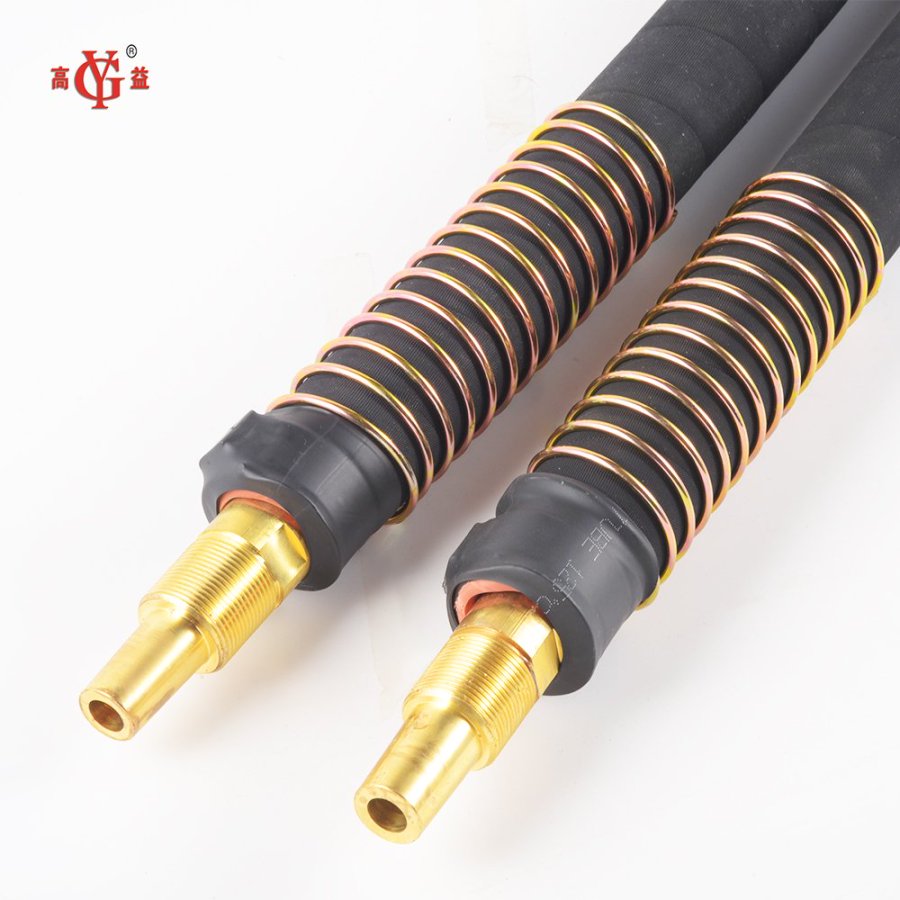
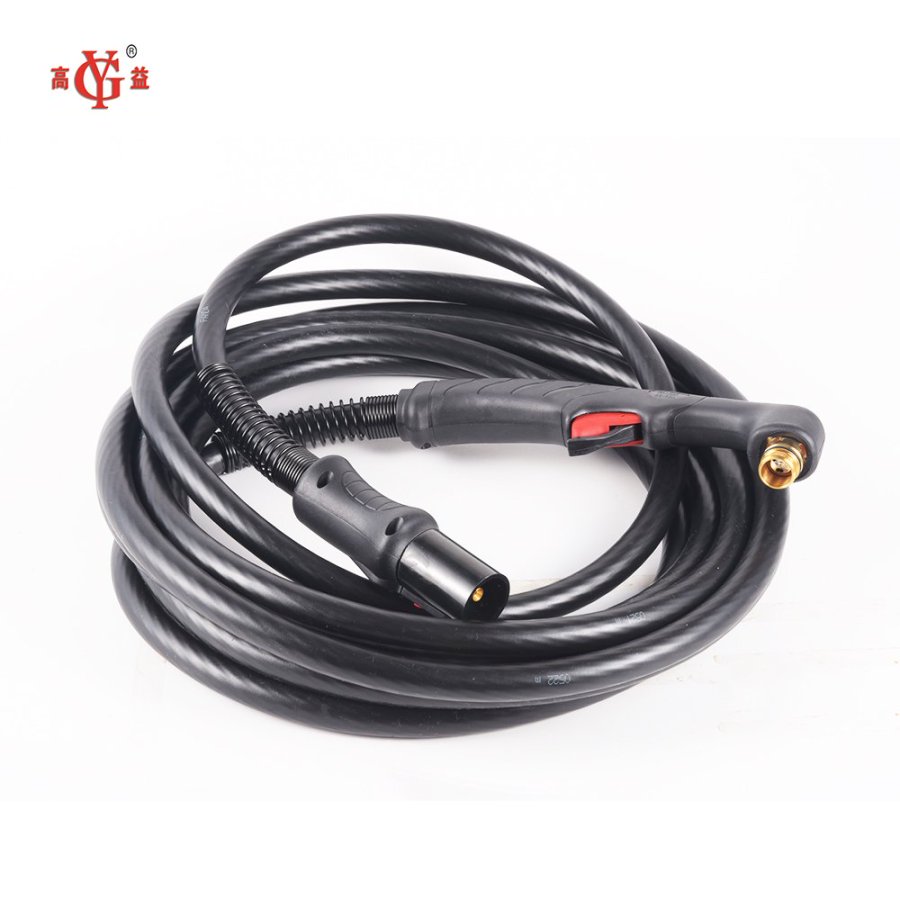
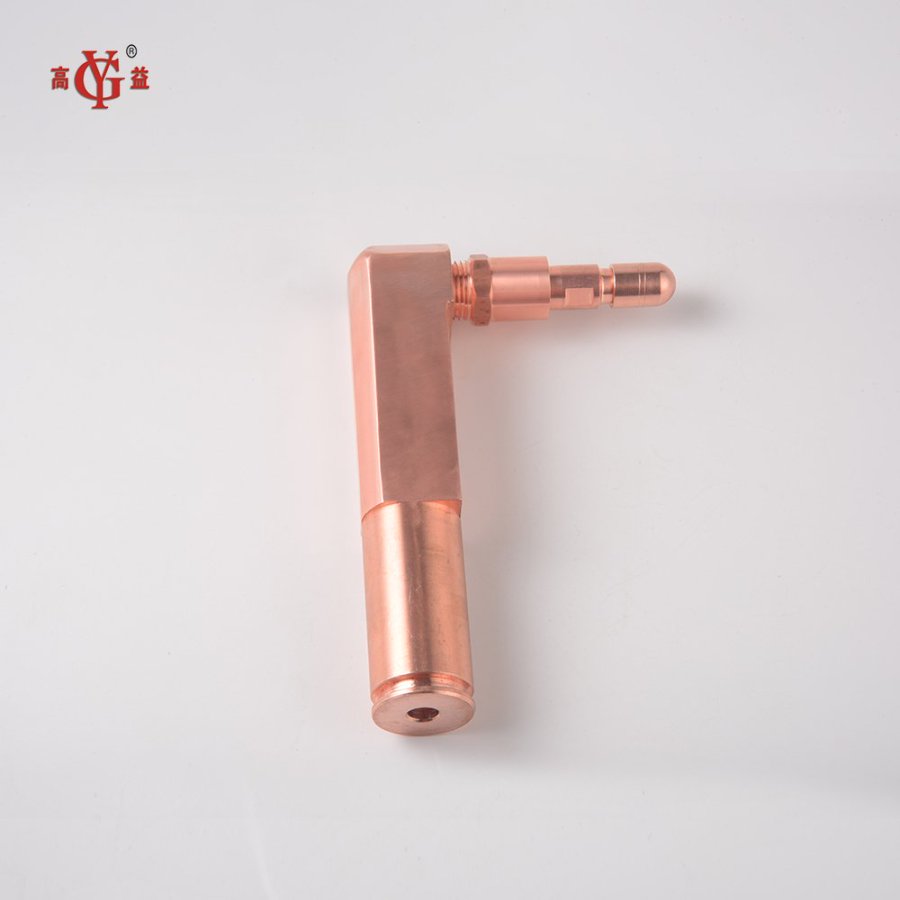
At the core of the spot welding process lies the **electrode arm**, which plays a pivotal role in delivering electrical current and applying the necessary pressure to join the metal pieces. The efficiency and effectiveness of the welding process hinge on the design and technology utilized in these arms. As such, advancements in electrode arm technology are crucial for improving overall welding performance.
3. Historical Perspective on Spot Welding Electrode Arm Technology
The journey of electrode arm technology has evolved dramatically since its inception. Early designs were predominantly manual and lacked the sophistication required for high-volume production. As industrial demands grew, innovations emerged, leading to automated systems that enhanced the precision and speed of spot welding. The transition from manual to semi-automated systems marked a significant milestone in the welding arena, setting the stage for the technological advancements we witness today.
4. Recent Innovations in Electrode Arm Design
In recent years, the welding industry has seen a surge in innovative designs and technologies, primarily aimed at improving the capabilities of electrode arms. These advancements not only optimize the welding process but also enhance the overall user experience.
4.1 Ergonomic Designs for Enhanced Operator Comfort
One of the notable advancements is the **ergonomic design** of electrode arms, which focuses on reducing operator fatigue. By incorporating adjustable features and lightweight materials, manufacturers have created arms that are easier to handle, allowing operators to maintain precision over extended periods. This design consideration is crucial in high-demand environments where efficiency and comfort are paramount.
4.2 Lightweight Materials for Increased Efficiency
The use of **lightweight materials** such as aluminum alloys and advanced composites has transformed the construction of electrode arms. These materials not only reduce the overall weight of the equipment but also enhance maneuverability without compromising strength. As a result, operators can achieve faster cycle times and improved access to intricate welding areas, which is essential in complex assemblies.
5. The Impact of Automation on Electrode Arm Technology
The integration of automation in welding processes has revolutionized electrode arm technology. Automation enhances precision, consistency, and efficiency, allowing manufacturers to meet the growing demands of various industries.
5.1 Integration with Robotics
Robotic systems equipped with advanced electrode arms can perform complex welding tasks with minimal human intervention. This integration enables manufacturers to achieve higher production rates while maintaining exceptional quality standards. The synergy between robotics and electrode arm technology represents a **game-changing** advancement in the welding industry.
5.2 Smart Sensors for Precision
The incorporation of **smart sensors** into electrode arms allows for real-time monitoring and adjustments during the welding process. These sensors can detect variations in material thickness, temperature, and pressure, enabling the system to make automatic adjustments for optimal welding conditions. This level of precision not only enhances the quality of welds but also reduces material waste, contributing to overall cost savings.
6. Case Studies: Successful Implementations of Advanced Electrode Arms
Numerous companies have successfully integrated advanced electrode arms into their manufacturing processes, yielding impressive results. For instance, a leading automotive manufacturer reported a **30% increase** in production efficiency after adopting lightweight, ergonomic electrode arms. Similarly, an electronics company noted a significant reduction in defects, attributing this success to the implementation of robotic systems equipped with smart sensor technology.
7. Challenges and Future Directions in Welding Technology
Despite the advancements, the welding industry faces several challenges, including the need for continuous innovation to keep pace with evolving manufacturing demands. Future developments in electrode arm technology should focus on enhancing adaptability for different materials and applications while further improving automation capabilities.
8. FAQs on Spot Welding Electrode Arm Innovations
Q1: What is the primary function of an electrode arm in spot welding?
A1: The primary function of an electrode arm is to deliver electrical current and apply pressure to join metal pieces during the spot welding process.
Q2: How have ergonomic designs improved spot welding operations?
A2: Ergonomic designs enhance operator comfort and reduce fatigue, allowing for more precise and efficient welding operations, especially in high-demand environments.
Q3: What benefits do lightweight materials provide for electrode arms?
A3: Lightweight materials improve maneuverability, reduce fatigue, and enhance efficiency without compromising the strength required for effective welding.
Q4: How does automation impact the quality of spot welding?
A4: Automation improves precision and consistency while increasing production rates, leading to higher quality welds and reduced material waste.
Q5: What role do smart sensors play in modern welding technology?
A5: Smart sensors monitor real-time conditions during welding, allowing for automatic adjustments to improve the quality of welds and reduce defects.
9. Conclusion
The advancements in spot welding electrode arm technology are reshaping the landscape of the welding industry. With innovations such as ergonomic designs, lightweight materials, and the integration of automation and smart sensors, manufacturers can achieve unprecedented levels of efficiency and quality. As the industry continues to evolve, staying at the forefront of these advancements will be crucial for companies looking to enhance their welding processes and maintain a competitive edge. Embracing these technologies not only leads to better production outcomes but also sets the stage for future innovations in the welding sector.
TAG:
Related Posts
Advancements in Spot Welding Electrode Arm Technology: Shaping the Future of Welding
Advancements in Spot Welding Electrode Arm Technology
Table of Contents
1. Introduction to Spot Welding and its Importance
2. The Role of Electrode Arms in Spot Welding
3. Historical Perspective on Spot Welding Electrode Arm Technology
4. Recent Innovations in Electrode Arm Design
4.1 Ergonomic Designs for Enhanced Operator Comfort
4.2 Lightweight Materials for Increased Efficiency
5. The Impact o