
Essential Safety Tips for Using Your MIG Welding Torch: A Comprehensive Guide
Jul 28,2026
Essential Safety Tips for Using Your MIG Welding Torch: A Comprehensive Guide
Table of Contents
Introduction
Understanding MIG Welding
Importance of Safety in Welding
Essential Protective Gear for Welders
Setting Up Your Work Area
Proper Handling of the MIG Torch
Welding Techniques
Identifying and Avoiding Hazards
Maintaining Your MIG Welding Torch
FAQs
Essential Safety Tips for Using Your MIG Welding Torch: A Comprehensive Guide
Table of Contents
- Introduction
- Understanding MIG Welding
- Importance of Safety in Welding
- Essential Protective Gear for Welders
- Setting Up Your Work Area
- Proper Handling of the MIG Torch
- Welding Techniques
- Identifying and Avoiding Hazards
- Maintaining Your MIG Welding Torch
- FAQs
- Conclusion
Introduction
MIG (Metal Inert Gas) welding is a versatile and popular welding technique used by countless professionals and hobbyists. However, as with any form of welding, it presents inherent risks that require diligence and awareness. Understanding how to use your MIG welding torch safely can make a significant difference in both your safety and the quality of your work. This comprehensive guide will delve into essential safety tips and best practices to help you navigate the world of MIG welding effectively.
Understanding MIG Welding
MIG welding involves feeding a continuous solid wire electrode through a welding gun into the weld pool. An inert gas, typically argon or carbon dioxide, shields the molten metal from contamination. This process allows for faster and cleaner welds compared to other methods. However, as straightforward as it may seem, it requires skill and respect for safety protocols.
Importance of Safety in Welding
Safety is paramount in welding because the process involves high heat, intense light, and potentially hazardous materials. Neglecting safety can result in serious injuries, burns, and long-term health issues. Being proactive about safety not only protects you but also enhances the overall quality of your work.
Essential Protective Gear for Welders
Before diving into MIG welding, it’s crucial to equip yourself with the right protective gear. Here are key items every welder should have:
Welding Helmet
A high-quality welding helmet with an auto-darkening filter is vital. This protects your face and eyes from harmful ultraviolet (UV) and infrared (IR) radiation.
Protective Clothing
Wear flame-resistant clothing, including long-sleeve shirts, pants, and gloves. Avoid synthetic fabrics, as they can melt and cause burns.
Safety Boots
Steel-toed boots protect your feet from heavy equipment and potential burns.
Respiratory Protection
Depending on your work environment, a respirator may be necessary to filter out harmful fumes and particulates.
Setting Up Your Work Area
Creating a safe and efficient work area is fundamental for safe welding practices.
Choosing the Right Space
Select a well-ventilated area free from flammable materials. Ensure that you have enough space to move comfortably around your welding project.
Lighting Conditions
Good lighting is essential. Proper illumination will help you see your work clearly and avoid accidents.
Organizing Tools and Materials
Keep your tools organized, and ensure that all materials are stored safely. A clutter-free workspace minimizes the risk of accidents.
Proper Handling of the MIG Torch
Handling your MIG welding torch with care is crucial to ensure both your safety and the integrity of your work.
Inspecting the Torch
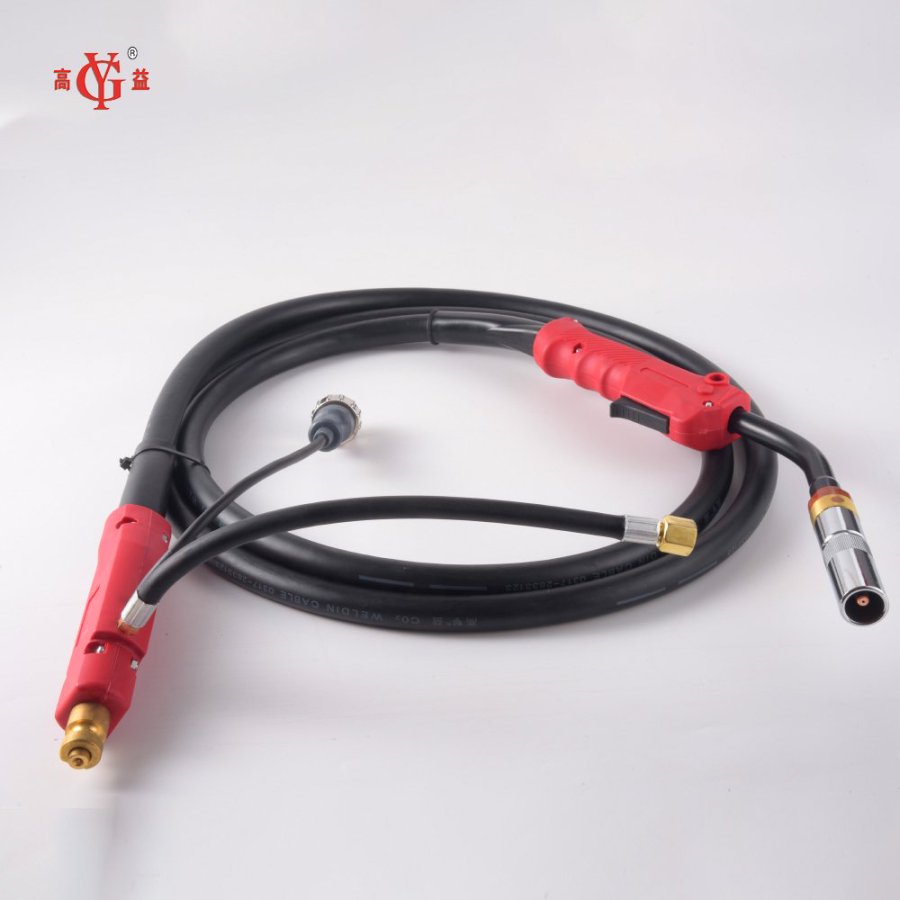
Before each use, inspect the torch for any damage. Check the power cable, gas supply line, and welding gun for leaks or wear.
Correct Torch Grip
Hold the torch properly to maintain control while welding. Use a firm grip and keep your hands steady to create clean welds.
Proper Wire Feed Settings
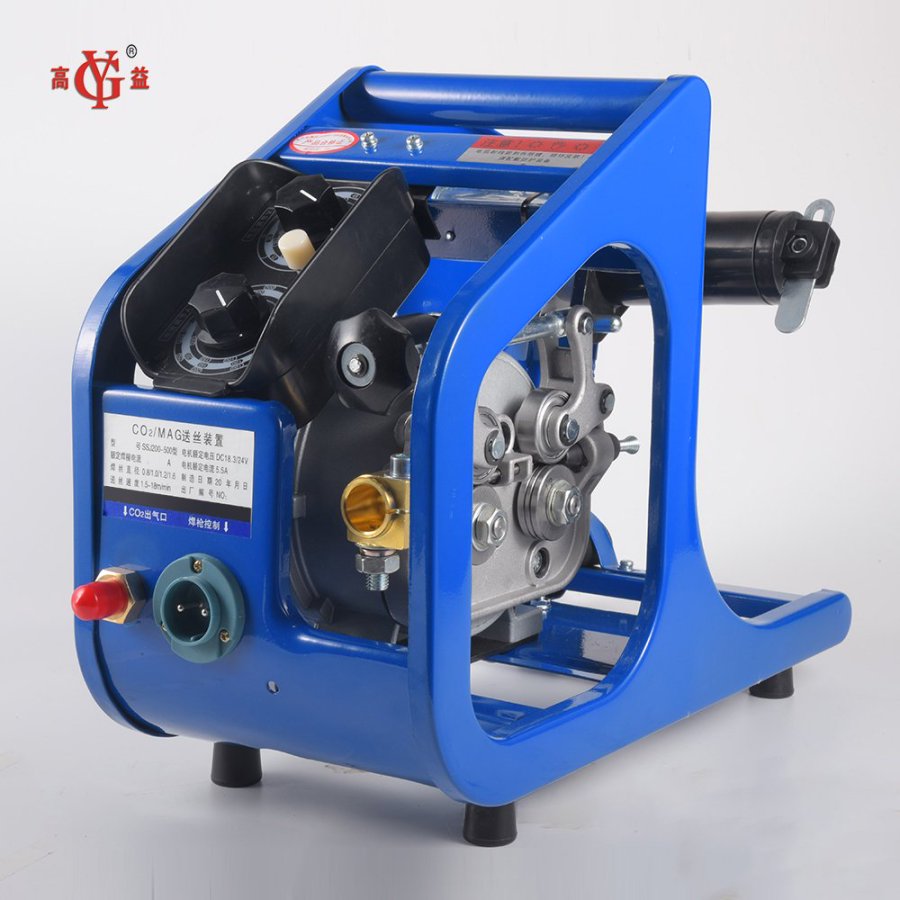
Adjust your wire feed speed according to the thickness of the material you’re welding. Incorrect settings can lead to poor weld quality and increased risk of injury.
Welding Techniques
Mastering proper welding techniques can greatly impact the safety and quality of your work.
Maintaining the Proper Distance
Keep a consistent distance between the welding gun and the workpiece. This distance is crucial for effective welding and prevents overheating.
Working Angles
Maintain the correct angle of the welding gun. An angle of 15 to 20 degrees from vertical is generally recommended for MIG welding.
Controlling the Speed
Move the torch at a steady speed. Too fast can lead to weak welds, while too slow can cause burn-through.
Identifying and Avoiding Hazards
Awareness of potential hazards is key to preventing accidents.
Electrical Hazards
Be cautious of electrical shock. Ensure that your equipment is properly grounded and check for frayed cables.
Fume and Gas Hazards
Welding produces harmful fumes. Always weld in a well-ventilated area, and use fume extraction systems if necessary.
Fire Hazards
Keep a fire extinguisher nearby and be mindful of your surroundings, especially when working with flammable materials.
Maintaining Your MIG Welding Torch
Regular maintenance of your MIG welding torch can prolong its lifespan and enhance safety.
Cleaning the Torch
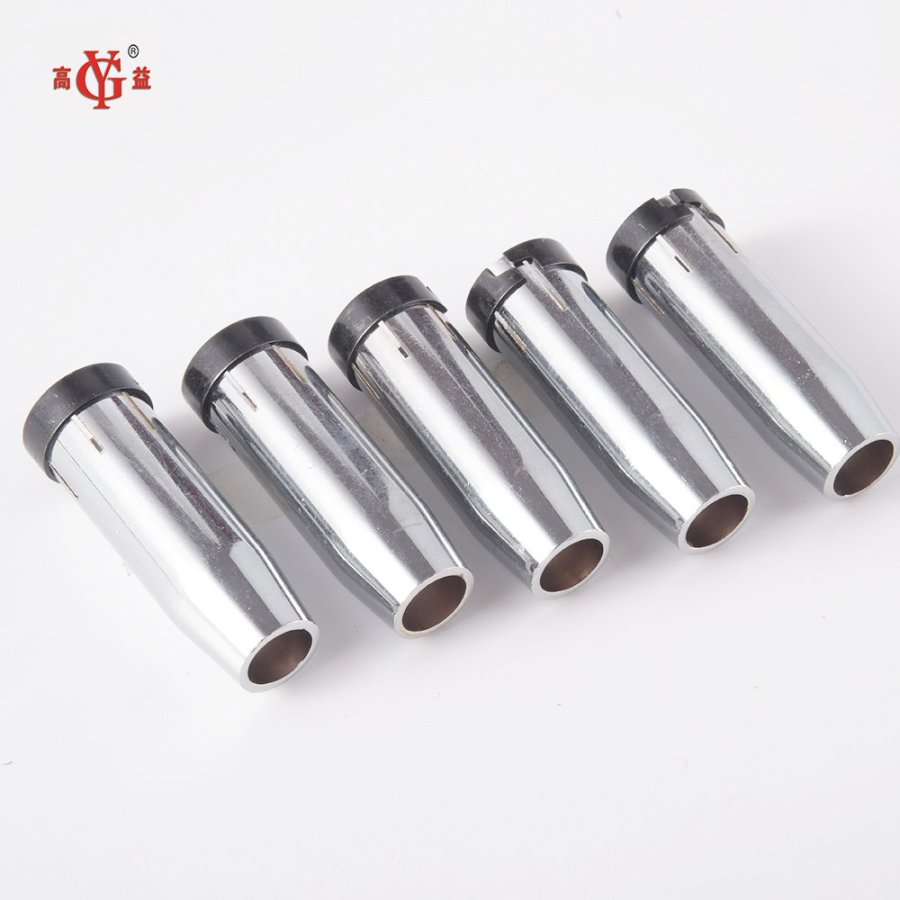
After each use, clean the nozzle and contact tip to prevent spatter build-up and ensure optimal performance.
Checking Gas Supply
Ensure that your gas cylinder is secure and that you have an adequate supply of shielding gas before starting a project.
Storing Equipment Properly
When not in use, store your welding equipment in a dry, safe place to prevent damage and hazards.
FAQs
1. What type of protective gear is required for MIG welding?
You should wear a welding helmet, flame-resistant clothing, safety boots, and, if necessary, respiratory protection.
2. Why is ventilation important in welding?
Ventilation is crucial to disperse harmful fumes and gases produced during the welding process.
3. How can I tell if my MIG welding torch is in good condition?
Inspect the torch for any damage, check the power cable and gas line for leaks or wear, and clean the nozzle regularly.
4. What should I do if I experience an electrical shock while welding?
Immediately turn off the power supply and seek medical attention, as electrical shocks can have serious consequences.
5. How often should I perform maintenance on my welding equipment?
Regular maintenance after each use is essential, but also conduct thorough inspections periodically to ensure everything is in working order.
Conclusion
Using your MIG welding torch safely and effectively requires a combination of proper equipment, knowledge, and diligence. By adhering to the safety tips outlined in this guide, you can protect yourself from potential hazards while achieving high-quality welding results. Remember, safety is not just an option—it's a necessity in the world of welding. With the right practices in place, you can enjoy the craft while minimizing risks.
TAG:
Previous:
Related Posts
Essential Safety Tips for Using Your MIG Welding Torch: A Comprehensive Guide
Essential Safety Tips for Using Your MIG Welding Torch: A Comprehensive Guide
Table of Contents
Introduction
Understanding MIG Welding
Importance of Safety in Welding
Essential Protective Gear for Welders
Setting Up Your Work Area
Proper Handling of the MIG Torch
Welding Techniques
Identifying and Avoiding Hazards
Maintaining Your MIG Welding Torch
FAQs