
The Ultimate Guide to Spot Welding Electrode Caps: What You Need to Know for Optimal Performance
Jul 16,2026
The Ultimate Guide to Spot Welding Electrode Caps: What You Need to Know for Optimal Performance
Spot welding is a critical process in various industries, particularly in manufacturing and construction. One key component of this process is the electrode cap, which plays a vital role in achieving high-quality welds. In this guide, we will delve into the details of spot welding electrode caps, covering everything from their types and functions to maintenance tips and best practices. By the end, you’ll have a thorough understanding of electrode caps to enhance your welding operations.
Table of Contents
- 1. What Are Spot Welding Electrode Caps?
- 2. Importance of Electrode Caps in Spot Welding
- 3. Types of Spot Welding Electrode Caps
- 4. How to Choose the Right Electrode Cap
- 5. Maintenance and Care for Electrode Caps
- 6. Troubleshooting Common Electrode Cap Issues
- 7. Tips for Maximizing Electrode Cap Lifecycle
- 8. Frequently Asked Questions About Electrode Caps
- 9. Conclusion
1. What Are Spot Welding Electrode Caps?
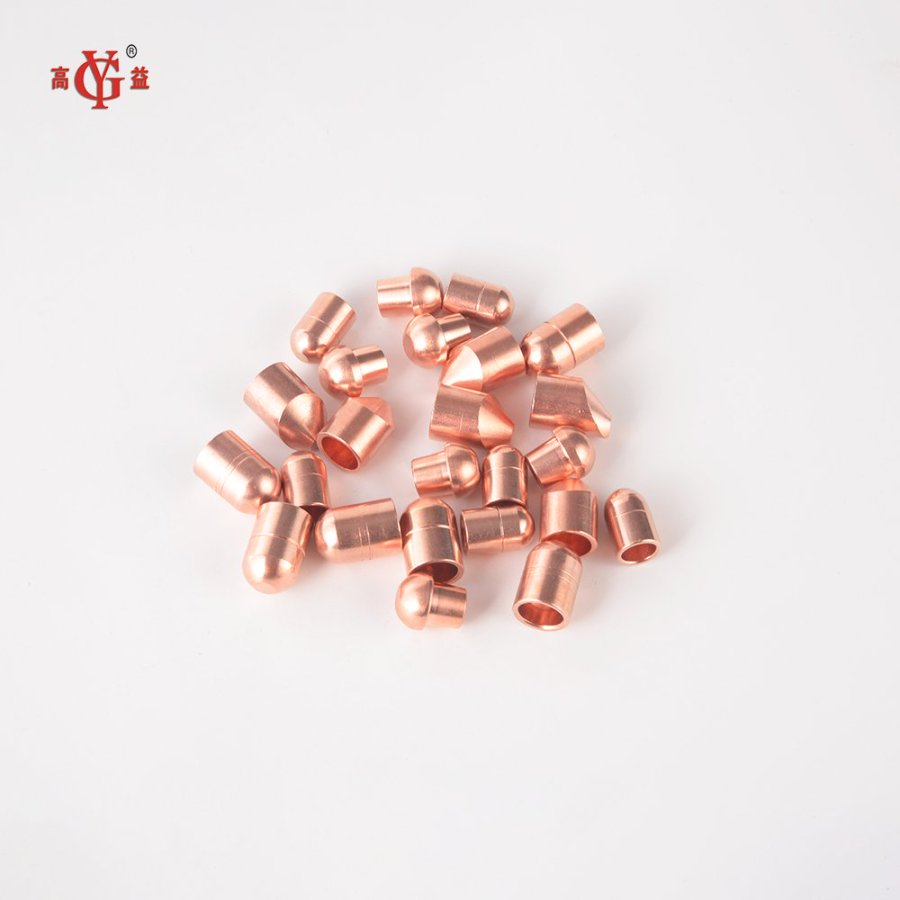
Spot welding electrode caps are essential components in the spot welding process. They serve as the contact surface between the welding machine and the workpiece. Made typically from durable materials like copper or copper alloys, these caps are designed to withstand high temperatures and pressures during the welding process. Their primary function is to facilitate the flow of electricity while minimizing the risk of weld defects.
The Role of Electrode Caps in Welding
The electrode caps help create the arc necessary for welding by ensuring optimal electrical contact with the workpieces. They also distribute heat evenly, which is crucial for achieving strong, consistent welds. The design and material composition of the caps can significantly influence the quality of the welds produced.
2. Importance of Electrode Caps in Spot Welding
Understanding the importance of electrode caps is vital for anyone involved in welding operations. These components directly affect the efficiency and quality of the welding process. Here are several reasons why electrode caps are crucial:
Quality of Welds
High-quality electrode caps contribute to better weld formation. They enhance the electrical conductivity and heat distribution required to produce strong welds, reducing the likelihood of defects such as porosity or weak joints.
Operational Efficiency
With optimal electrode caps, welding operations can run smoothly and efficiently. Properly functioning caps decrease downtime and maintenance costs, allowing for greater productivity.
Cost-Effectiveness
Investing in high-quality electrode caps can save costs in the long run by reducing the frequency of replacements and minimizing defects that result in rework.
3. Types of Spot Welding Electrode Caps
There are various types of spot welding electrode caps available, each designed for specific applications and materials. Understanding these types can help you make an informed decision when selecting caps for your projects.
Flat Electrode Caps
Flat electrode caps are commonly used for welding thin sheets of metal. Their design allows for a larger contact area, which helps distribute heat more evenly across the surface being welded.
Conical Electrode Caps
Conical caps are ideal for applications that require precision welding. Their pointed design enables focused heat application, making them suitable for welding thicker materials or achieving detailed welds.
Specialty Electrode Caps
Some applications may require specialty electrode caps, such as those designed for specific alloys or high-temperature environments. These caps can provide enhanced performance and durability under challenging conditions.
4. How to Choose the Right Electrode Cap
Selecting the appropriate electrode cap for your welding needs is crucial for optimal performance. Here are key factors to consider:
Material Compatibility
Choose electrode caps made from materials compatible with the metals you’re welding. Copper is widely used due to its excellent conductivity, but other materials may be necessary for specific applications.
Welding Thickness
Consider the thickness of the materials you’ll be working with. Flat caps are generally better for thinner materials, while conical caps may be required for thicker sections.
Welding Process
Different welding processes may demand different cap designs. Assess the specific requirements of your welding technique to select an appropriate cap.
5. Maintenance and Care for Electrode Caps
To ensure longevity and performance, proper maintenance of electrode caps is essential. Here are some maintenance tips:
Regular Inspection
Frequent inspections can help identify wear or damage to electrode caps. Look for signs such as pitting, excessive wear, or deformation, which may indicate the need for replacement.
Cleaning
Keeping electrode caps clean is essential for optimal performance. Use a dedicated cleaning solution designed for welding equipment, and avoid abrasive materials that may scratch the surface.
Proper Storage
Store caps in a dry, clean environment to prevent corrosion and damage. Use protective covers when not in use to shield them from contaminants.
6. Troubleshooting Common Electrode Cap Issues
Despite regular maintenance, issues can still arise with electrode caps. Here are common problems and solutions:
Pitting and Wear
Pitting occurs when the surface of the electrode cap is damaged due to excessive heat or wear. If you notice pitting, it’s time to replace the cap to maintain weld quality.
Overheating
If the electrode caps frequently overheat, it may indicate an incorrect cap choice or improper welding parameters. Review your settings and consider switching to a more suitable cap design.
Inconsistent Weld Quality
Inconsistent welds can result from poor electrical contact due to worn caps. Inspect the caps regularly and replace them if they show signs of wear.
7. Tips for Maximizing Electrode Cap Lifecycle
To extend the life of your electrode caps, consider the following strategies:
Optimize Welding Parameters
Ensure that you’re using the correct welding parameters for your materials. Adjusting voltage, current, and weld time can reduce stress on the electrode caps.
Use Quality Caps
Investing in high-quality electrode caps will yield better results and longer lifespans. Always choose reputable brands and materials that suit your specific needs.
Monitor Performance
Keeping track of your welding performance can help you identify when caps need to be replaced. Look for patterns in weld quality and cap wear to make timely adjustments.
8. Frequently Asked Questions About Electrode Caps
What is the primary function of spot welding electrode caps?
The primary function of spot welding electrode caps is to provide a contact surface for the welding machine, ensuring optimal electrical conductivity and heat distribution during the welding process.
How often should I replace my electrode caps?
The frequency of replacement depends on usage and wear. Regular inspections will help you determine when they need to be replaced, typically when you notice significant wear or damage.
Can I use any electrode cap for my welding projects?
No, it’s crucial to select electrode caps that are compatible with the materials and welding processes you are using for optimal performance and weld quality.
What materials are best for electrode caps?
Copper and its alloys are the most commonly used materials due to their excellent conductivity and durability under high temperatures.
How can I avoid overheating my electrode caps?
To avoid overheating, ensure you are using the appropriate welding parameters, such as voltage and current settings, and select caps suitable for the thickness and type of materials being welded.
9. Conclusion
Spot welding electrode caps are vital components that significantly influence the quality and efficiency of the welding process. By understanding their types, functions, and maintenance needs, you can make informed decisions that enhance your welding projects. Proper selection, care, and monitoring of electrode caps will lead to improved performance, reduced costs, and a higher quality of welds. Invest in your welding operations today by ensuring that you have the right electrode caps tailored to your specific needs.
TAG:
Related Posts
Understanding Welding Wire Feeders for MIG Welding Systems: Key Insights