
Maximizing Efficiency with Spot Welding Electrode Arms
Jul 15,2026
Spot welding is a widely used technique in the manufacturing industry, especially in the automotive and appliance sectors. At the heart of this process are the spot welding electrode arms, which play a crucial role in ensuring effective welds. Understanding the functionality, design considerations, and maintenance of these components can significantly enhance the overall welding performance.
Spot
Spot welding is a widely used technique in the manufacturing industry, especially in the automotive and appliance sectors. At the heart of this process are the spot welding electrode arms, which play a crucial role in ensuring effective welds. Understanding the functionality, design considerations, and maintenance of these components can significantly enhance the overall welding performance.
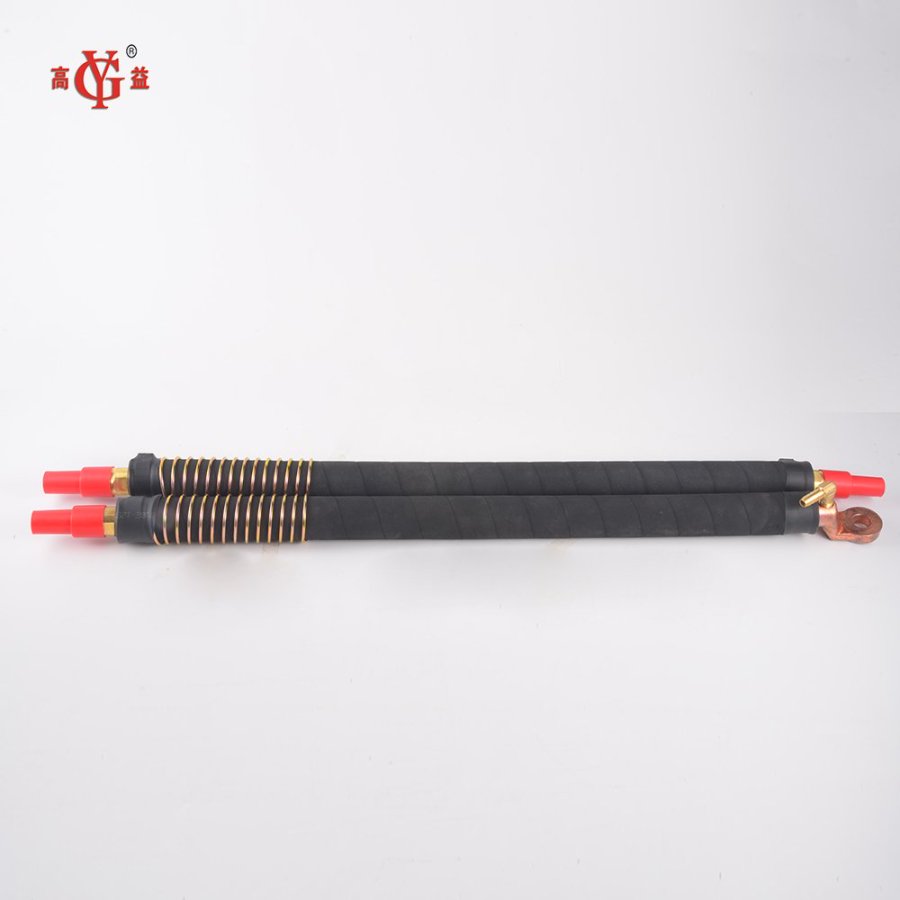
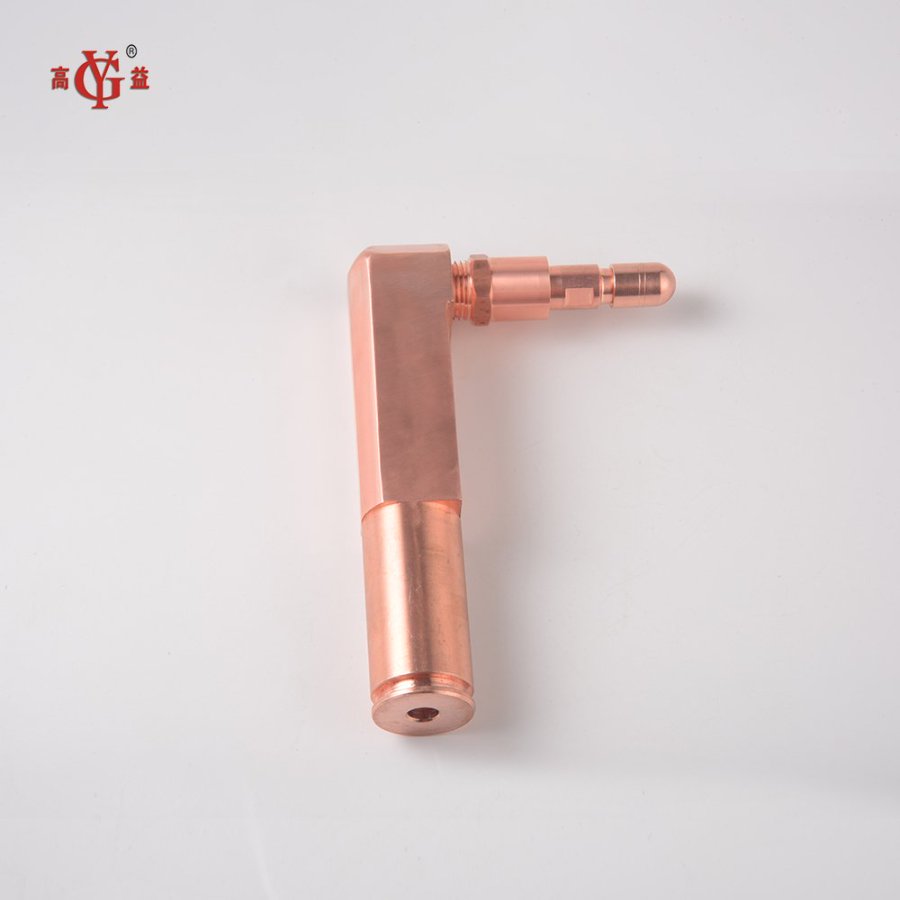
Spot welding electrode arms are designed to hold the electrodes in place, delivering the necessary electrical current to create the weld. The choice of materials for these arms is critical, as they must withstand high temperatures and mechanical stresses during the welding process. Typically, these arms are made from high-strength alloys that offer excellent conductivity and durability, reducing the chances of deformation or failure during operation.
One important consideration when selecting or designing spot welding electrode arms is the geometry. The shape and length of the arms can influence the accessibility of the welding area, impacting the overall efficiency of the welding process. Shorter arms may provide better access in tight spaces, while longer arms can facilitate the welding of larger components. It’s essential to choose the right balance based on the specific application requirements.
Another factor to consider is the maintenance of the electrode arms. Regular inspection and cleaning are crucial to prevent the buildup of contaminants that can affect the welding quality. Ensuring that the arms are properly aligned and free from wear can also extend their lifespan and maintain consistent weld quality. Many professionals recommend a systematic maintenance schedule to address wear and tear proactively, minimizing downtime and maximizing productivity.
In addition, understanding the thermal characteristics of spot welding electrode arms can lead to improved performance. The arms should be designed to dissipate heat effectively, which helps to maintain the integrity of the welded materials and the electrodes themselves. This can be achieved through proper cooling techniques, such as water-cooling channels integrated into the arm design, which reduces overheating during prolonged welding sessions.
Finally, it’s beneficial to stay updated on technological advancements in the field. Innovations in materials and design can lead to more efficient and robust spot welding electrode arms, enhancing the quality and speed of the welding process. Engaging in industry forums or workshops can provide valuable insights into emerging trends and best practices.
In conclusion, investing time in understanding spot welding electrode arms is essential for professionals in the welding industry. By focusing on material selection, design considerations, maintenance, and staying informed about industry advancements, you can significantly improve the efficiency and effectiveness of your welding operations.
Spot welding electrode arms are designed to hold the electrodes in place, delivering the necessary electrical current to create the weld. The choice of materials for these arms is critical, as they must withstand high temperatures and mechanical stresses during the welding process. Typically, these arms are made from high-strength alloys that offer excellent conductivity and durability, reducing the chances of deformation or failure during operation.
One important consideration when selecting or designing spot welding electrode arms is the geometry. The shape and length of the arms can influence the accessibility of the welding area, impacting the overall efficiency of the welding process. Shorter arms may provide better access in tight spaces, while longer arms can facilitate the welding of larger components. It’s essential to choose the right balance based on the specific application requirements.
Another factor to consider is the maintenance of the electrode arms. Regular inspection and cleaning are crucial to prevent the buildup of contaminants that can affect the welding quality. Ensuring that the arms are properly aligned and free from wear can also extend their lifespan and maintain consistent weld quality. Many professionals recommend a systematic maintenance schedule to address wear and tear proactively, minimizing downtime and maximizing productivity.
In addition, understanding the thermal characteristics of spot welding electrode arms can lead to improved performance. The arms should be designed to dissipate heat effectively, which helps to maintain the integrity of the welded materials and the electrodes themselves. This can be achieved through proper cooling techniques, such as water-cooling channels integrated into the arm design, which reduces overheating during prolonged welding sessions.
Finally, it’s beneficial to stay updated on technological advancements in the field. Innovations in materials and design can lead to more efficient and robust spot welding electrode arms, enhancing the quality and speed of the welding process. Engaging in industry forums or workshops can provide valuable insights into emerging trends and best practices.
In conclusion, investing time in understanding spot welding electrode arms is essential for professionals in the welding industry. By focusing on material selection, design considerations, maintenance, and staying informed about industry advancements, you can significantly improve the efficiency and effectiveness of your welding operations.
TAG:
Related Posts
Maximizing Efficiency with Spot Welding Electrode Arms
Spot welding is a widely used technique in the manufacturing industry, especially in the automotive and appliance sectors. At the heart of this process are the spot welding electrode arms, which play a crucial role in ensuring effective welds. Understanding the functionality, design considerations, and maintenance of these components can significantly enhance the overall welding performance.
Spot