
Why Electricians Prefer Non-Inductive Welding Cable for Flux-Cored Welding
Jul 14,2026
Why Electricians Prefer Non-Inductive Welding Cable for Flux-Cored Welding
Introduction to Flux-Cored Welding and Its Requirements
Flux-cored welding is a specialized form of welding that uses a tubular wire filled with flux to create strong welds. This technique is favored in various industries due to its ability to join thick materials and its efficiency in outdoor and windy conditions. However,
Why Electricians Prefer Non-Inductive Welding Cable for Flux-Cored Welding
Introduction to Flux-Cored Welding and Its Requirements
Flux-cored welding is a specialized form of welding that uses a tubular wire filled with flux to create strong welds. This technique is favored in various industries due to its ability to join thick materials and its efficiency in outdoor and windy conditions. However, the choice of the right welding cable is crucial for ensuring optimal performance and safety.
Understanding Non-Inductive Welding Cable
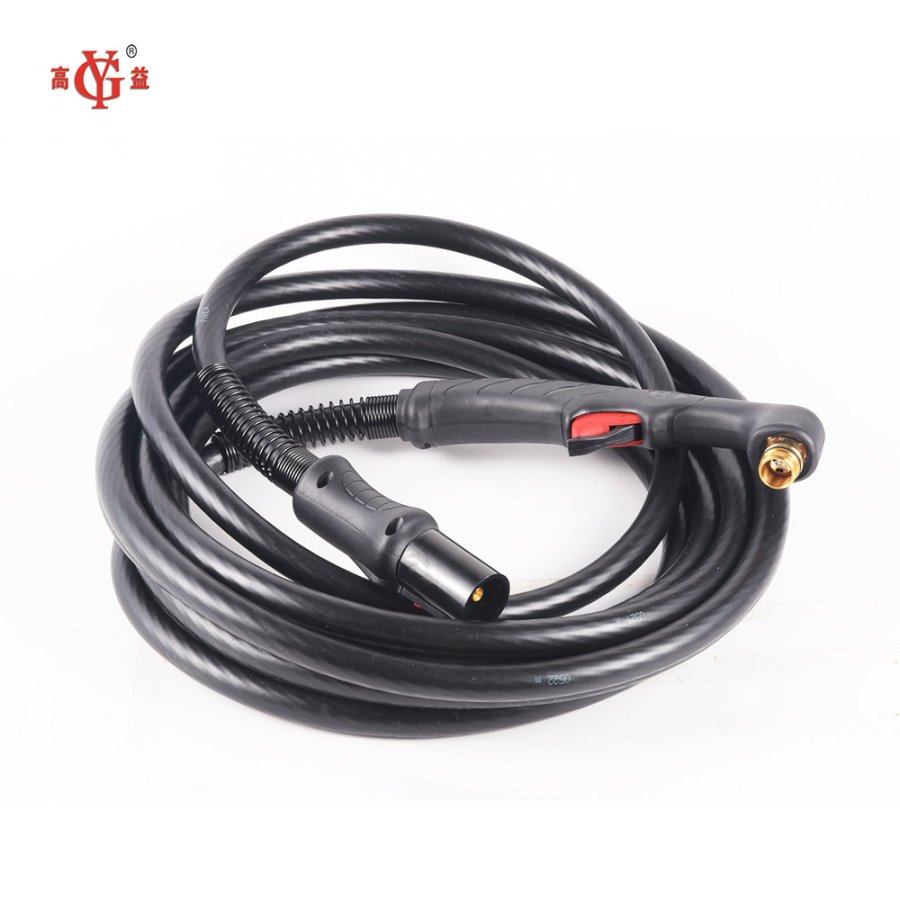
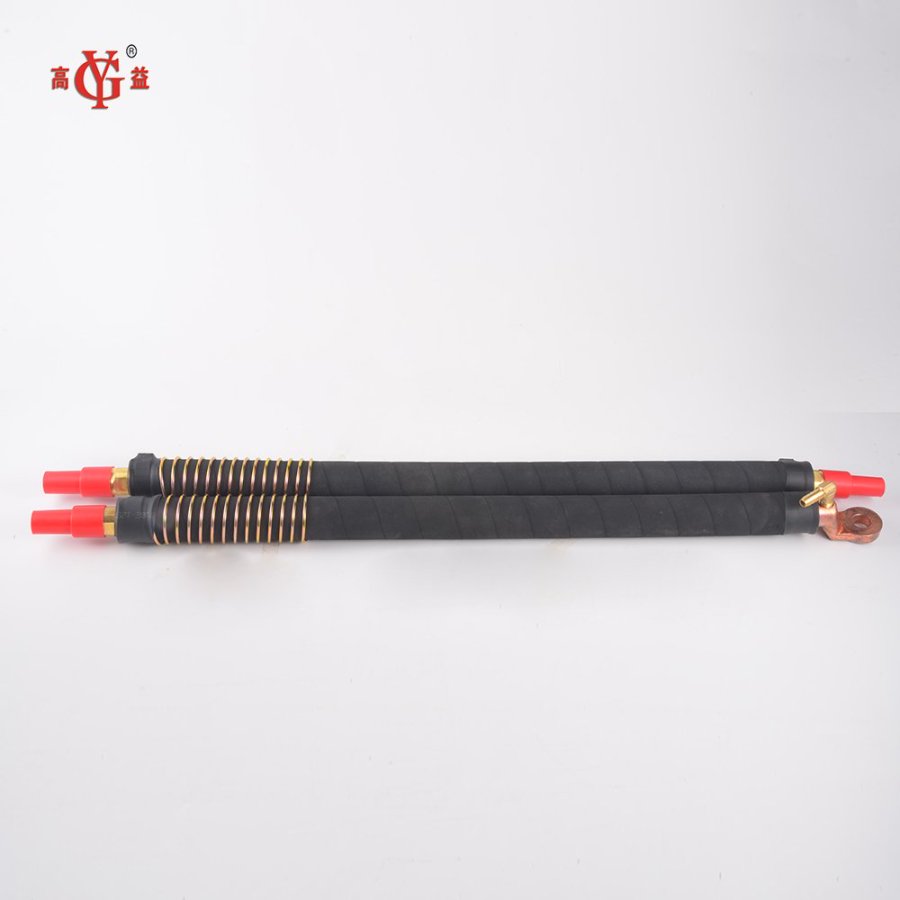
Non-inductive welding cables are designed to minimize electrical inductance, making them ideal for high-frequency welding applications. These cables are constructed with specific materials and designs that reduce the magnetic fields generated during the welding process. This unique feature contributes to both safety and efficiency, leading electricians to prefer them over traditional inductive cables.
The Construction of Non-Inductive Welding Cables
The construction of non-inductive welding cables involves multiple layers of insulation and conductors. Typically, these cables consist of:
1. **Conductive Core**: Made from high-purity copper, ensuring excellent conductivity and minimal resistance.
2. **Insulation Layer**: Crafted from durable materials that can withstand high temperatures and protect against electrical interference.
3. **Shielding**: Often included to prevent electromagnetic interference (EMI), which can disrupt the welding process.
Key Benefits of Non-Inductive Welding Cable
Electricians value non-inductive welding cables for several reasons:
1. Enhanced Performance
Non-inductive cables significantly improve the quality of welds by providing a stable and consistent electrical current. This stability enhances arc stability, leading to cleaner welds with fewer defects.
2. Reduced Electromagnetic Interference
Electromagnetic interference can compromise the integrity of welds. Non-inductive cables mitigate this risk by minimizing EMI, ensuring that the welding arc remains stable and effective.
3. Improved Safety
Safety is paramount in any electrical work. Non-inductive welding cables are designed to reduce heat buildup and potential electrical hazards, making the working environment safer for electricians.
4. Durability and Longevity
These cables are built to last, with robust materials that can withstand harsh environmental conditions. This durability translates into fewer replacements and repair costs over time.
5. Versatility
Non-inductive welding cables are suitable for a wide range of applications, making them an excellent choice for electricians working in various industries, including construction, automotive, and manufacturing.
Applications of Non-Inductive Welding Cable in Flux-Cored Welding
The versatility of non-inductive welding cables makes them ideal for various applications within the realm of flux-cored welding. Here are some common scenarios where these cables shine:
1. Outdoor Welding Projects
Flux-cored welding is often performed outdoors, where wind can adversely affect the welding arc. Non-inductive cables help maintain arc stability even in challenging weather conditions.
2. Industrial Fabrication
In industrial settings, where precision and quality are paramount, non-inductive welding cables are essential for achieving superior welds on steel and other metals used in fabrication.
3. Automotive Repairs
Electricians involved in automotive repairs benefit from the reliability of non-inductive welding cables, which ensure strong and durable joins in various automotive components.
Choosing the Right Non-Inductive Welding Cable
Selecting the right non-inductive welding cable involves understanding specific project requirements. Electricians should consider factors such as:
1. Cable Diameter and Flexibility
The diameter of the welding cable affects its flexibility and ability to handle specific welding currents. Choosing the right diameter ensures optimal performance without sacrificing maneuverability.
2. Insulation Ratings
Different projects may require cables with varying insulation ratings. Electricians must assess the environment and select cables that meet or exceed necessary safety standards.
3. Voltage Rating
Welding cables come with different voltage ratings, which are crucial for ensuring that the cable can handle the electrical load of the welding equipment being used.
Maintaining Non-Inductive Welding Cables
Proper maintenance of non-inductive welding cables is essential for prolonging their life and ensuring optimal performance. Here are some maintenance tips:
1. Regular Inspection
Inspect cables for signs of wear, fraying, or damage. Address any issues immediately to prevent further damage and ensure safety.
2. Proper Storage
Store welding cables in a cool, dry place, avoiding exposure to extreme temperatures and moisture, which can degrade insulation.
3. Clean Connections
Ensure that all connections are clean and free from corrosion. Dirty connections can lead to increased resistance, which can affect performance.
Common FAQs about Non-Inductive Welding Cable
1. What makes non-inductive welding cable different from traditional welding cables?
Non-inductive welding cables are designed to minimize electrical inductance, leading to reduced electromagnetic interference and improved arc stability.
2. Can non-inductive welding cables be used for other types of welding?
Yes, while they are particularly beneficial for flux-cored welding, non-inductive cables can also be used in MIG and TIG welding applications.
3. Are non-inductive welding cables more expensive than traditional cables?
While they may have a higher upfront cost, their durability and performance benefits often lead to cost savings in the long run.
4. What is the average lifespan of non-inductive welding cables?
With proper care and maintenance, non-inductive welding cables can last several years, making them a worthwhile investment for electricians.
5. Are there specific brands of non-inductive welding cables that you recommend?
While there are many reputable manufacturers, electricians should look for certified brands that meet industry standards for quality and safety.
Conclusion
In conclusion, non-inductive welding cables offer numerous advantages that make them a preferred choice for electricians engaged in flux-cored welding. Their unique construction minimizes electromagnetic interference, enhances safety, and improves welding performance. By understanding their benefits and applications, electricians can make informed decisions that lead to more efficient and effective welding processes. Investing in high-quality non-inductive welding cables not only ensures superior results but also contributes to a safer working environment. Whether you are involved in industrial fabrication, automotive repairs, or outdoor projects, non-inductive welding cables will serve as a reliable tool in your welding arsenal.
TAG:
Previous
Related Posts
Why Electricians Prefer Non-Inductive Welding Cable for Flux-Cored Welding
Why Electricians Prefer Non-Inductive Welding Cable for Flux-Cored Welding
Introduction to Flux-Cored Welding and Its Requirements
Flux-cored welding is a specialized form of welding that uses a tubular wire filled with flux to create strong welds. This technique is favored in various industries due to its ability to join thick materials and its efficiency in outdoor and windy conditions. However,