
A Comprehensive Guide to Understanding TIG Welding Torches
Jul 11,2026
TIG welding, or Tungsten Inert Gas welding, is a highly precise welding process known for its ability to produce high-quality welds with minimal contamination. A pivotal element of this process is the TIG welding torch, which plays a crucial role in delivering the tungsten electrode and shielding gas to the weld area. Understanding the intricacies of TIG welding torches can significantly improve w
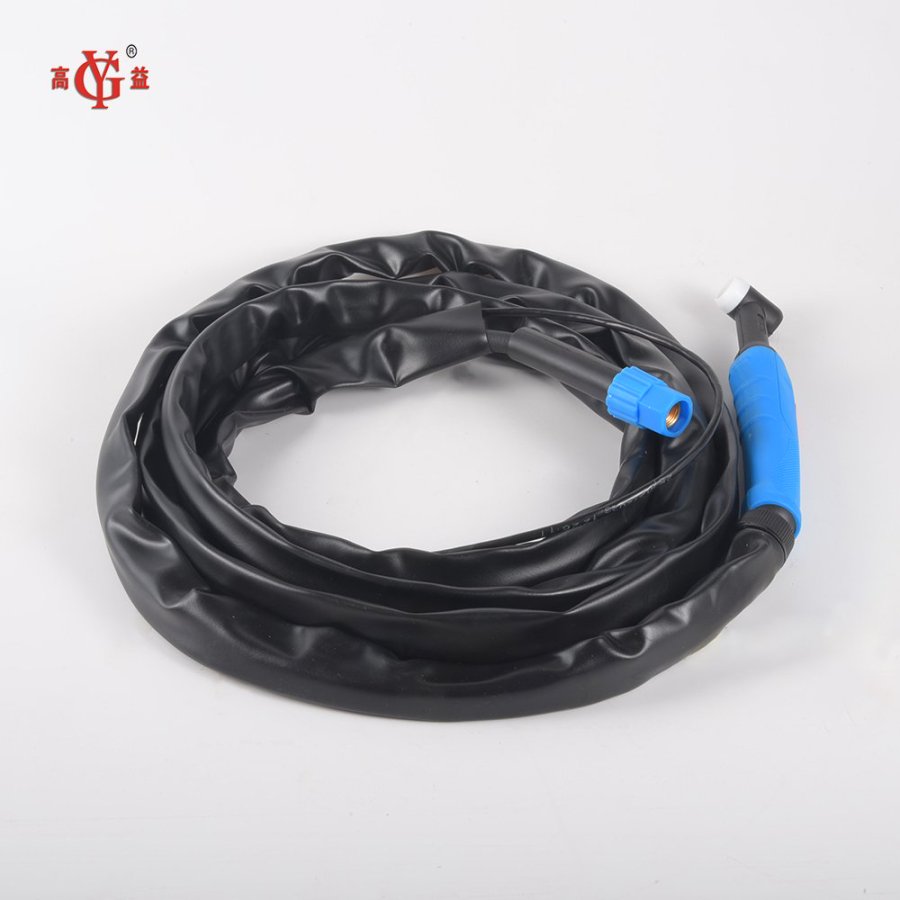
TIG welding, or Tungsten Inert Gas welding, is a highly precise welding process known for its ability to produce high-quality welds with minimal contamination. A pivotal element of this process is the TIG welding torch, which plays a crucial role in delivering the tungsten electrode and shielding gas to the weld area. Understanding the intricacies of TIG welding torches can significantly improve weld quality and efficiency.
At the heart of a TIG welding torch is the tungsten electrode, which is responsible for creating the arc that melts the base materials. The choice of tungsten electrode is influenced by the type of material being welded and the thickness of the base metals. Factors such as the diameter and type (pure, thoriated, lanthanated) also affect the performance of the weld. Selecting the appropriate tungsten is vital for achieving optimal results.
Another important feature of the TIG welding torch is the gas nozzle, which helps to direct the shielding gas—typically argon—around the weld area. The nozzle's design can impact the gas flow and coverage, thus influencing the weld quality. Professionals often choose between different nozzle sizes and shapes based on the specific requirements of their projects. For intricate work, a smaller nozzle may be preferable, while larger nozzles may be suited for thicker materials.
Moreover, the handle and ergonomic design of TIG welding torches are essential for user comfort and control. A well-designed torch allows for better maneuverability and precision, which is critical when working on delicate or complex welds. The integration of flexible hoses and adjustable controls also enhances the welding experience, allowing professionals to make real-time adjustments based on their needs.
Maintenance of the TIG welding torch is crucial for long-term efficiency and performance. Regularly inspecting the torch for wear, replacing components as needed, and ensuring clean connections can extend the torch's life and improve the quality of welds. Additionally, understanding the proper techniques for setting the right amperage and gas flow can further enhance the welding process.
In conclusion, a TIG welding torch is an indispensable tool for any professional in the welding and electrical industry. By understanding the functions and features of the torch, as well as implementing best practices in its use and maintenance, welders can achieve superior results in their projects. Investing in knowledge about TIG welding torches not only elevates the quality of work but also enhances overall efficiency in welding operations. Whether you are a seasoned professional or just starting, mastering the use of TIG welding torches is key to successful and precise welding.
At the heart of a TIG welding torch is the tungsten electrode, which is responsible for creating the arc that melts the base materials. The choice of tungsten electrode is influenced by the type of material being welded and the thickness of the base metals. Factors such as the diameter and type (pure, thoriated, lanthanated) also affect the performance of the weld. Selecting the appropriate tungsten is vital for achieving optimal results.
Another important feature of the TIG welding torch is the gas nozzle, which helps to direct the shielding gas—typically argon—around the weld area. The nozzle's design can impact the gas flow and coverage, thus influencing the weld quality. Professionals often choose between different nozzle sizes and shapes based on the specific requirements of their projects. For intricate work, a smaller nozzle may be preferable, while larger nozzles may be suited for thicker materials.
Moreover, the handle and ergonomic design of TIG welding torches are essential for user comfort and control. A well-designed torch allows for better maneuverability and precision, which is critical when working on delicate or complex welds. The integration of flexible hoses and adjustable controls also enhances the welding experience, allowing professionals to make real-time adjustments based on their needs.
Maintenance of the TIG welding torch is crucial for long-term efficiency and performance. Regularly inspecting the torch for wear, replacing components as needed, and ensuring clean connections can extend the torch's life and improve the quality of welds. Additionally, understanding the proper techniques for setting the right amperage and gas flow can further enhance the welding process.
In conclusion, a TIG welding torch is an indispensable tool for any professional in the welding and electrical industry. By understanding the functions and features of the torch, as well as implementing best practices in its use and maintenance, welders can achieve superior results in their projects. Investing in knowledge about TIG welding torches not only elevates the quality of work but also enhances overall efficiency in welding operations. Whether you are a seasoned professional or just starting, mastering the use of TIG welding torches is key to successful and precise welding.
TAG:
Previous:
Related Posts
A Comprehensive Guide to Understanding TIG Welding Torches
TIG welding, or Tungsten Inert Gas welding, is a highly precise welding process known for its ability to produce high-quality welds with minimal contamination. A pivotal element of this process is the TIG welding torch, which plays a crucial role in delivering the tungsten electrode and shielding gas to the weld area. Understanding the intricacies of TIG welding torches can significantly improve w