
Understanding the Importance of Welding Torch Nozzles in Welding Applications
Jul 09,2026
Welding torch nozzles are essential components in various welding processes, significantly affecting the quality and efficiency of welds. They serve as the outlet for the shielding gas, which protects the weld pool from atmospheric contamination, ensuring optimal fusion of the base materials. Understanding the various aspects of welding torch nozzles can help improve your welding projects, whether
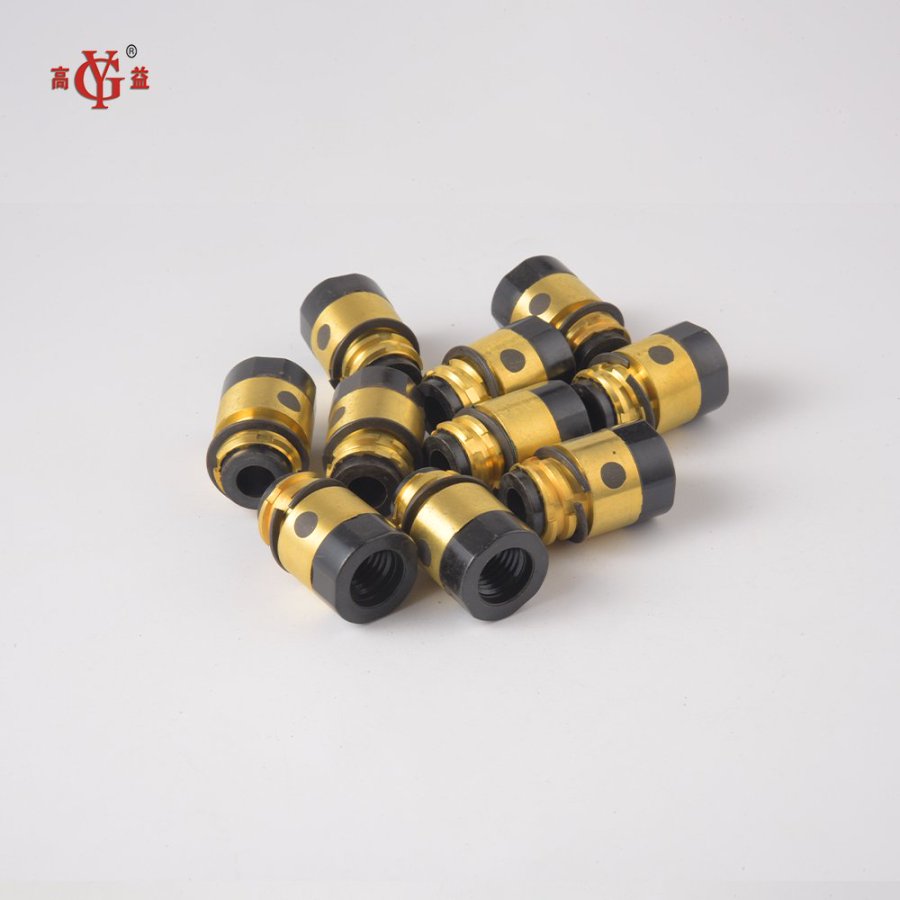
Welding torch nozzles are essential components in various welding processes, significantly affecting the quality and efficiency of welds. They serve as the outlet for the shielding gas, which protects the weld pool from atmospheric contamination, ensuring optimal fusion of the base materials. Understanding the various aspects of welding torch nozzles can help improve your welding projects, whether you are a novice welder or an experienced professional.
One of the primary functions of a welding torch nozzle is to direct the flow of shielding gas, such as argon or helium, around the weld area. This gas flow creates a protective atmosphere that prevents oxidation, thereby promoting cleaner and stronger welds. The design of the nozzle can influence the direction and velocity of the gas, which is crucial for achieving the desired weld quality. A well-designed nozzle contributes to better arc stability and control, allowing for more precise welding.
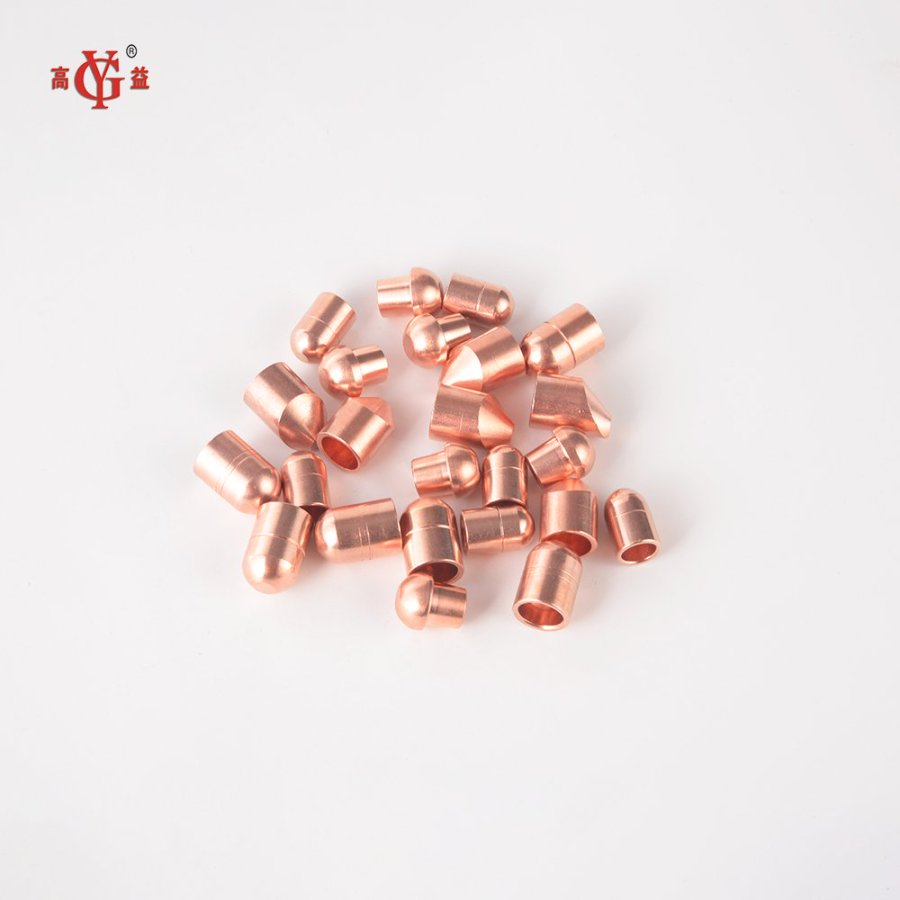
Welding torch nozzles come in various shapes and sizes, tailored to different welding techniques and applications. For instance, tapered nozzles are common in TIG (Tungsten Inert Gas) welding, as they allow for better access to tight spots and intricate designs. Conversely, larger, wider nozzles are typically used in MIG (Metal Inert Gas) welding, which requires a broader gas coverage due to the increased heat and material flow. Understanding the appropriate nozzle for your specific welding task can greatly enhance your results.
Maintenance of welding torch nozzles is equally vital to ensure consistent performance. Regular cleaning is necessary to remove any spatter or buildup that could obstruct gas flow or affect the arc. Inspecting the nozzle for wear and tear can help prevent issues that may arise from using a damaged component, such as erratic arcs or poor weld quality. Replacing nozzles at the first sign of degradation is advisable to maintain optimal welding performance.
In conclusion, welding torch nozzles play a crucial role in the welding process by delivering shielding gas to protect the weld area. Their design, size, and maintenance significantly influence weld quality and efficiency. By paying attention to these factors and choosing the right nozzle for your specific needs, you can enhance your welding projects and achieve superior results in your work. Remember, the right welding torch nozzle is not just a tool; it's a vital component in mastering the art of welding.
One of the primary functions of a welding torch nozzle is to direct the flow of shielding gas, such as argon or helium, around the weld area. This gas flow creates a protective atmosphere that prevents oxidation, thereby promoting cleaner and stronger welds. The design of the nozzle can influence the direction and velocity of the gas, which is crucial for achieving the desired weld quality. A well-designed nozzle contributes to better arc stability and control, allowing for more precise welding.
Welding torch nozzles come in various shapes and sizes, tailored to different welding techniques and applications. For instance, tapered nozzles are common in TIG (Tungsten Inert Gas) welding, as they allow for better access to tight spots and intricate designs. Conversely, larger, wider nozzles are typically used in MIG (Metal Inert Gas) welding, which requires a broader gas coverage due to the increased heat and material flow. Understanding the appropriate nozzle for your specific welding task can greatly enhance your results.
Maintenance of welding torch nozzles is equally vital to ensure consistent performance. Regular cleaning is necessary to remove any spatter or buildup that could obstruct gas flow or affect the arc. Inspecting the nozzle for wear and tear can help prevent issues that may arise from using a damaged component, such as erratic arcs or poor weld quality. Replacing nozzles at the first sign of degradation is advisable to maintain optimal welding performance.
In conclusion, welding torch nozzles play a crucial role in the welding process by delivering shielding gas to protect the weld area. Their design, size, and maintenance significantly influence weld quality and efficiency. By paying attention to these factors and choosing the right nozzle for your specific needs, you can enhance your welding projects and achieve superior results in your work. Remember, the right welding torch nozzle is not just a tool; it's a vital component in mastering the art of welding.
TAG:
Previous:
Related Posts
Understanding the Importance of Welding Torch Nozzles in Welding Applications
Welding torch nozzles are essential components in various welding processes, significantly affecting the quality and efficiency of welds. They serve as the outlet for the shielding gas, which protects the weld pool from atmospheric contamination, ensuring optimal fusion of the base materials. Understanding the various aspects of welding torch nozzles can help improve your welding projects, whether