
The Evolution of MIG Welding Torches: A Historical Overview
Jul 10,2026
The Evolution of MIG Welding Torches: A Historical Overview
MIG welding, or Metal Inert Gas welding, has revolutionized the welding industry since its development. At the heart of this process lies the MIG welding torch, an essential tool that has undergone significant evolution over the decades. This article delves into the history of MIG welding torches, exploring their design, functionality, an
The Evolution of MIG Welding Torches: A Historical Overview
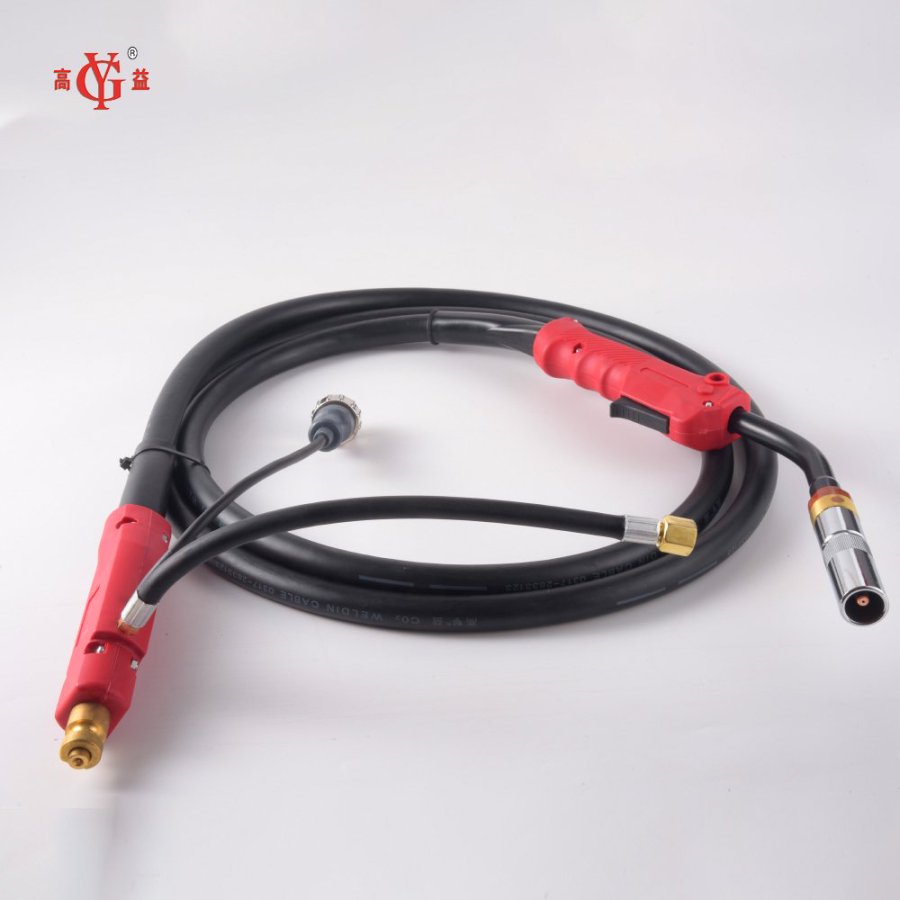
MIG welding, or Metal Inert Gas welding, has revolutionized the welding industry since its development. At the heart of this process lies the MIG welding torch, an essential tool that has undergone significant evolution over the decades. This article delves into the history of MIG welding torches, exploring their design, functionality, and the technological advancements that have shaped them into what they are today.
Table of Contents
- 1. Introduction to MIG Welding
- 2. The Origin of MIG Welding
- 3. Early Designs of MIG Welding Torches
- 4. Technological Advancements in Welding Torches
- 5. Modern MIG Welding Torches: Features and Benefits
- 6. The Future of MIG Welding Torches
- 7. Safety Features in MIG Welding Torches
- 8. Frequently Asked Questions
- 9. Conclusion
1. Introduction to MIG Welding
MIG welding has become one of the most popular welding processes in industries ranging from automotive to construction. This method uses a continuous wire feed and an inert gas to create a stable arc, allowing for efficient and high-quality welds. As a core component of MIG welding, the MIG welding torch plays a critical role in the overall process, influencing the quality, speed, and ease of the welding operation.
2. The Origin of MIG Welding
The journey of MIG welding began in the 1940s, during World War II, when the need for efficient metal joining methods surged. The process was initially developed to address the demands of wartime manufacturing, where rapid production and robust welding capabilities were crucial. Early developments in MIG welding were characterized by their use of inert gas, which protected the weld pool from contamination during the welding process.
The Birth of MIG Welding Torches
The first MIG welding torches were relatively simple in design, often featuring a basic handle and a nozzle to direct the shielding gas. These early models lacked the sophistication we see today, with limited ergonomics and functionality. However, they laid the groundwork for the torches we rely on in modern welding applications.
3. Early Designs of MIG Welding Torches
As MIG welding gained popularity in the post-war era, the designs of welding torches began to evolve. Early MIG welding torches featured a fixed nozzle and limited adjustability, often leading to difficulties in achieving precise welds. The introduction of adjustable nozzles allowed welders to adapt the welding arc to different materials and thicknesses, enhancing versatility.
Improvements in Ergonomics and Usability
Recognizing the importance of user comfort, manufacturers began to focus on ergonomics. The introduction of lighter materials and more comfortable grips transformed the MIG welding torch into a more user-friendly tool. This focus on ergonomics improved not only the comfort of the welder but also the accuracy and quality of the welds produced.
4. Technological Advancements in Welding Torches
The late 20th century marked a significant turning point in the evolution of MIG welding torches, with technological advancements playing a pivotal role. Innovations such as digital controls, advanced cooling systems, and enhanced gas delivery mechanisms have made modern MIG welding torches far more efficient and reliable.
Digital Controls and Automation
The integration of digital technology into MIG welding torches has revolutionized the welding process. Welders can now use programmable settings to optimize their welding parameters based on the specific materials and thicknesses they are working with. This level of control not only enhances the quality of the finished product but also reduces material waste and rework.
5. Modern MIG Welding Torches: Features and Benefits
Today’s MIG welding torches come equipped with a wide range of features designed to enhance performance. These modern tools are characterized by their lightweight designs, advanced cooling systems, and multiple nozzle configurations.
Lightweight and Durable Materials
Modern MIG welding torches are often constructed from advanced materials that provide strength without adding unnecessary weight. This makes them easier to handle over extended periods, reducing operator fatigue.
Enhanced Cooling Systems
Efficient cooling systems are integral to modern MIG welding torches, ensuring optimal performance even during extended use. These systems help to dissipate heat, which can otherwise lead to equipment failure or inconsistent welding results.
Multiple Nozzle Configurations
The availability of various nozzle configurations allows welders to choose the best option for their specific applications. Different sizes and shapes can significantly impact the welding arc's stability, offering flexibility for a range of welding tasks.
6. The Future of MIG Welding Torches
As technology continues to advance, the future of MIG welding torches is poised for further innovation. Emerging trends such as automation and artificial intelligence are likely to shape the next generation of welding tools.
Integration of Artificial Intelligence
The incorporation of artificial intelligence into MIG welding torches could lead to unprecedented levels of precision and efficiency. AI-driven systems could analyze real-time data to adjust welding parameters automatically, ensuring optimal results every time.
Increased Focus on Sustainability
With a growing emphasis on sustainability, the welding industry is likely to see innovations aimed at reducing energy consumption and environmental impact. Future MIG welding torches may utilize eco-friendly materials and energy-efficient designs to align with these goals.
7. Safety Features in MIG Welding Torches
Safety is a paramount concern in the welding industry, and modern MIG welding torches are designed with various safety features to protect operators.
Built-in Safety Mechanisms
Many contemporary MIG welding torches are equipped with safety shut-off mechanisms that deactivate the tool when not in use. This feature not only prevents accidents but also extends the lifespan of the equipment.
Protective Gear and Accessories
Alongside the torches themselves, the development of protective gear and accessories has contributed to safer welding practices. Items such as welding gloves, masks, and aprons are essential for safeguarding welders from heat, sparks, and harmful fumes.
8. Frequently Asked Questions
What is the difference between MIG and TIG welding?
MIG welding uses a continuously fed wire and an inert gas, while TIG welding employs a non-consumable tungsten electrode and requires a separate filler material.
How do I maintain my MIG welding torch?
Regular maintenance includes cleaning the nozzle, checking for gas leaks, and inspecting the cable connections to ensure optimal performance.
Can I use a MIG welding torch for different materials?
Yes, MIG welding torches are versatile and can be used to weld various metals, including steel, aluminum, and stainless steel, depending on the wire type used.
What should I look for when buying a MIG welding torch?
Consider factors such as ergonomics, weight, nozzle configuration, and compatibility with your welding machine.
Are there specific safety precautions I should take while using a MIG welding torch?
Yes, always wear appropriate protective gear, ensure proper ventilation in your work area, and follow the manufacturer’s guidelines for safe operation.
9. Conclusion
The evolution of MIG welding torches reflects a broader trend of innovation within the welding industry. From their humble beginnings to the advanced tools we have today, MIG welding torches have significantly improved the efficiency, safety, and quality of welding operations. As we look to the future, the integration of technology and a focus on sustainability will likely drive further advancements, ensuring that these essential tools continue to meet the demands of modern industries. Embracing these innovations will not only enhance the welding process but also contribute to a safer and more environmentally friendly industry.
TAG:
Related Posts
The Evolution of MIG Welding Torches: A Historical Overview
The Evolution of MIG Welding Torches: A Historical Overview
MIG welding, or Metal Inert Gas welding, has revolutionized the welding industry since its development. At the heart of this process lies the MIG welding torch, an essential tool that has undergone significant evolution over the decades. This article delves into the history of MIG welding torches, exploring their design, functionality, an