
How to Select the Best Spot Welding Electrode Arm for Your Needs
Jul 06,2026
How to Select the Best Spot Welding Electrode Arm for Your Needs
Choosing the right spot welding electrode arm is crucial for achieving optimal results in your welding projects. Whether you are a professional welder or a hobbyist, understanding what to look for in an electrode arm can significantly impact the quality of your welds. In this article, we will cover everything you need to know about selecting the best spot welding electrode arm tailored to your needs.
Table of Contents
- Understanding Spot Welding Electrode Arms
- Importance of Selecting the Right Electrode Arm
- Types of Spot Welding Electrode Arms
- Key Factors to Consider When Selecting an Electrode Arm
- Material Types for Spot Welding Electrode Arms
- Size and Shape Considerations
- Compatibility with Welding Machines
- Maintenance and Longevity
- Frequently Asked Questions
- Conclusion
Understanding Spot Welding Electrode Arms
Spot welding is a process that joins two or more pieces of metal together by applying heat and pressure at specific points. The electrode arm plays a vital role in this process by delivering the electrical current to the workpieces while also applying the necessary force to create a strong weld. Understanding how these components work together is essential for selecting the right electrode arm for your specific application.
Importance of Selecting the Right Electrode Arm
The right electrode arm can enhance your welding performance in numerous ways:
- Improved Weld Quality: A properly selected electrode arm ensures consistent pressure and current delivery, leading to stronger and more reliable welds.
- Increased Efficiency: Choosing an electrode arm that suits your specific application can reduce downtime and increase overall productivity.
- Cost-Effectiveness: Investing in a quality electrode arm can lead to fewer defects and rework, saving you both time and money.
Types of Spot Welding Electrode Arms
There are various types of spot welding electrode arms, each designed for specific tasks:
- Standard Electrode Arms: These are the most common type, suitable for general-purpose welding tasks.
- Specialized Electrode Arms: Designed for specific applications, such as welding dissimilar metals or working with particularly challenging materials.
- Adjustable Electrode Arms: These offer flexibility in adjusting the distance between the electrodes and can be tailored to different welding needs.
Key Factors to Consider When Selecting an Electrode Arm
When choosing the best spot welding electrode arm, consider the following factors:
1. Application Requirements
Identify the specific welding tasks you plan to undertake. Different applications may require different electrode arm specifications. For instance, if you are working with thick materials, a more robust arm may be necessary.
2. Electrode Material
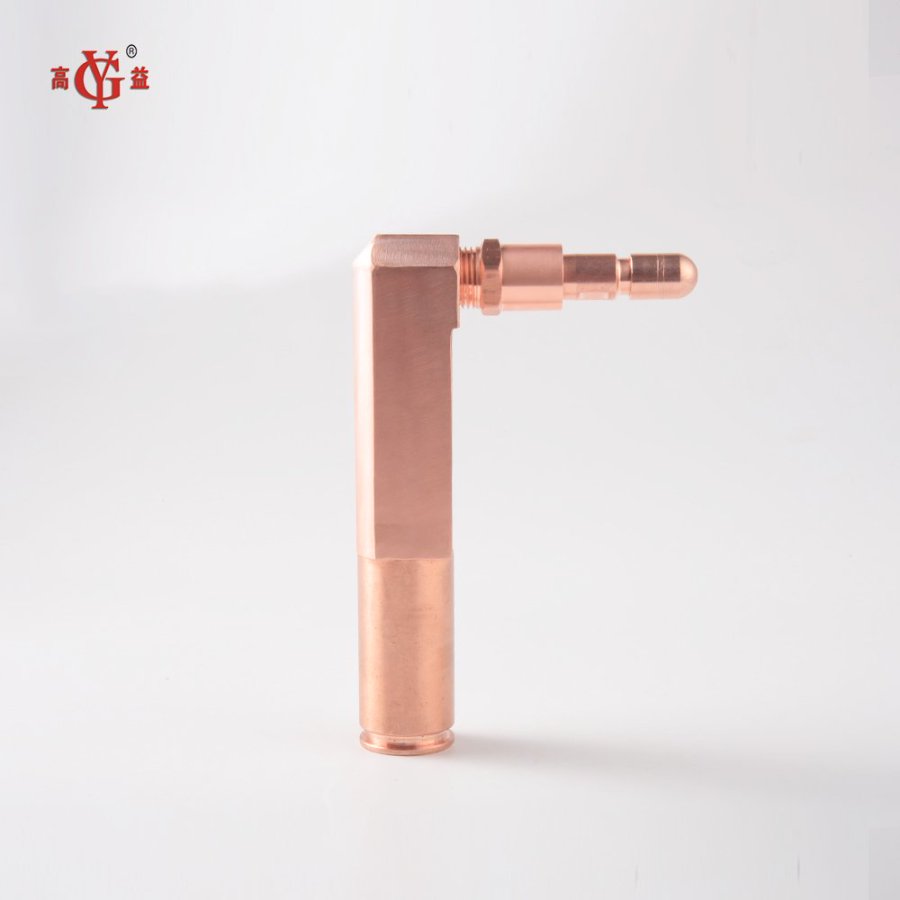
The material of your electrode arm impacts the durability and performance of your welds. Copper is commonly used due to its excellent conductivity, while other materials may be more suited for specialized applications.
3. Arm Length and Reach
The length of the electrode arm can affect accessibility and maneuverability. Make sure to consider the size of the components you will be welding and ensure the arm can reach all necessary areas.
4. Weight and Balance
An ergonomic design can enhance user comfort and reduce fatigue during long welding sessions. A well-balanced electrode arm will ensure better control during the welding process.
5. Cost vs. Quality
While it might be tempting to opt for cheaper options, investing in a high-quality electrode arm can pay off in the long run. Consider the cost in relation to the durability and performance of the arm.
Material Types for Spot Welding Electrode Arms
Understanding the material types available for electrode arms is essential for making the right choice:
Copper
Copper is the most widely used material for electrode arms due to its excellent electrical conductivity and thermal resistance. It can handle high currents and dissipate heat effectively, making it ideal for spot welding applications.
Alloyed Materials
Some electrode arms are made from alloyed materials designed to improve strength, durability, and resistance to wear. These may be a good choice for heavy-duty applications where traditional copper electrodes may wear down more quickly.
Coated Electrode Arms
Electrode arms may also come with coatings to enhance their performance, such as reducing oxidation or improving conductivity. Coated arms can be particularly beneficial in challenging environments.
Size and Shape Considerations
The size and shape of the electrode arm are crucial for achieving effective welds:
Arm Length
Longer arms can reach into tighter spaces, while shorter arms offer better control for precision work. Choose an arm length that balances these needs based on the application.
Electrode Shape
Different electrode shapes (flat, pointed, or rounded) can affect the quality of the weld. Consider the shape that best suits your welding needs, as it can impact the current distribution and heat application.
Compatibility with Welding Machines
Ensuring that your electrode arm is compatible with your welding machine is essential for achieving optimal performance. Check the specifications of both the electrode arm and the welding machine to guarantee a seamless fit and functionality.
Maintenance and Longevity
Proper maintenance of your electrode arm can significantly extend its lifespan:
Regular Cleaning
Keep the electrode arm clean to prevent build-up that can affect performance. Use appropriate cleaning materials to avoid damaging the arm.
Inspection for Wear
Regularly inspect the electrode arm for signs of wear or damage. Addressing issues early can prevent costly repairs or replacements down the line.
Frequently Asked Questions
1. How often should I replace my spot welding electrode arm?
The replacement frequency depends on usage and the materials being welded. Regular inspections can help determine when a replacement is necessary.
2. Can I use the same electrode arm for different types of metals?
While some electrode arms can work for various metals, specialized arms may be required for specific materials to ensure optimal performance.
3. What is the best material for a spot welding electrode arm?
Copper is generally the best material due to its conductivity and heat resistance, but alloyed materials may be more suitable for specific applications.
4. How do I know if my electrode arm is compatible with my welding machine?
Consult the specifications of both the electrode arm and the welding machine to ensure compatibility.
5. What are the signs that my electrode arm needs maintenance?
Signs include excessive wear, changes in weld quality, and build-up of materials on the arm. Regular inspections can help identify these issues early on.
Conclusion
Choosing the best spot welding electrode arm for your needs requires careful consideration of various factors, including material, size, compatibility, and maintenance. By understanding the different types of electrode arms and their functionalities, you can make an informed decision that enhances your welding efficiency and quality. Remember, investing in a high-quality electrode arm can lead to significant long-term benefits, ensuring that your welding projects are successful and of the highest standard.
TAG:
Related Posts
How to Select the Best Spot Welding Electrode Arm for Your Needs