
Understanding Non-Inductive Welding Cables for Stable Arc Performance
Jul 05,2026
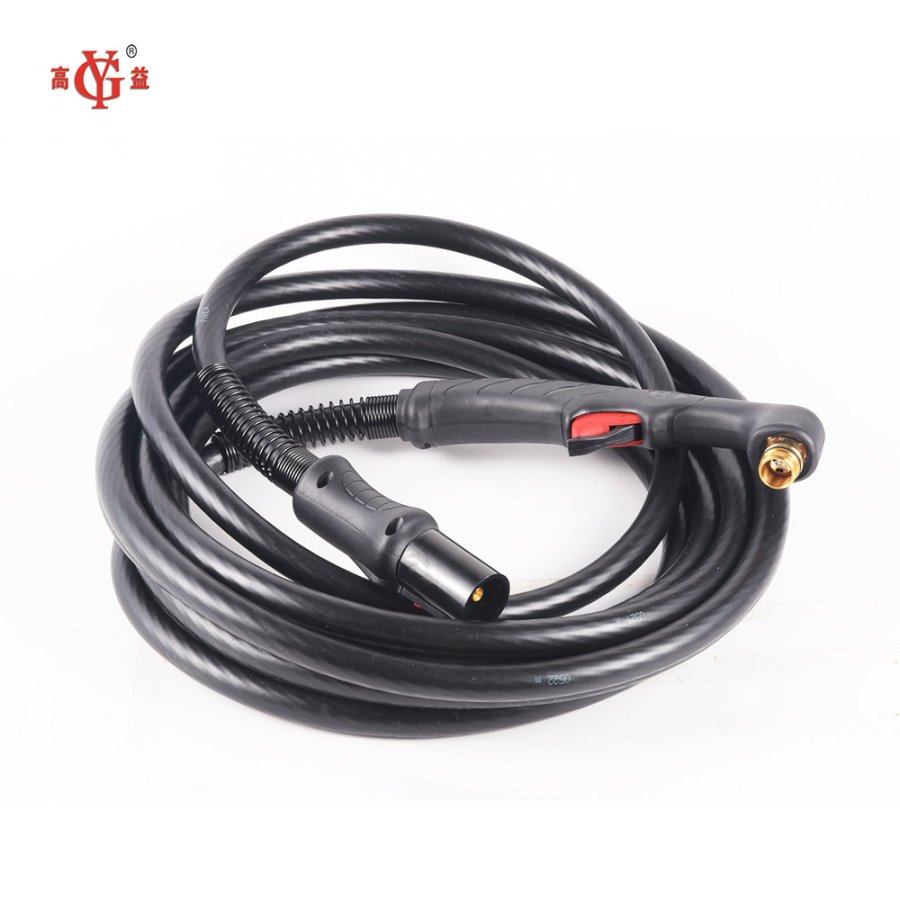
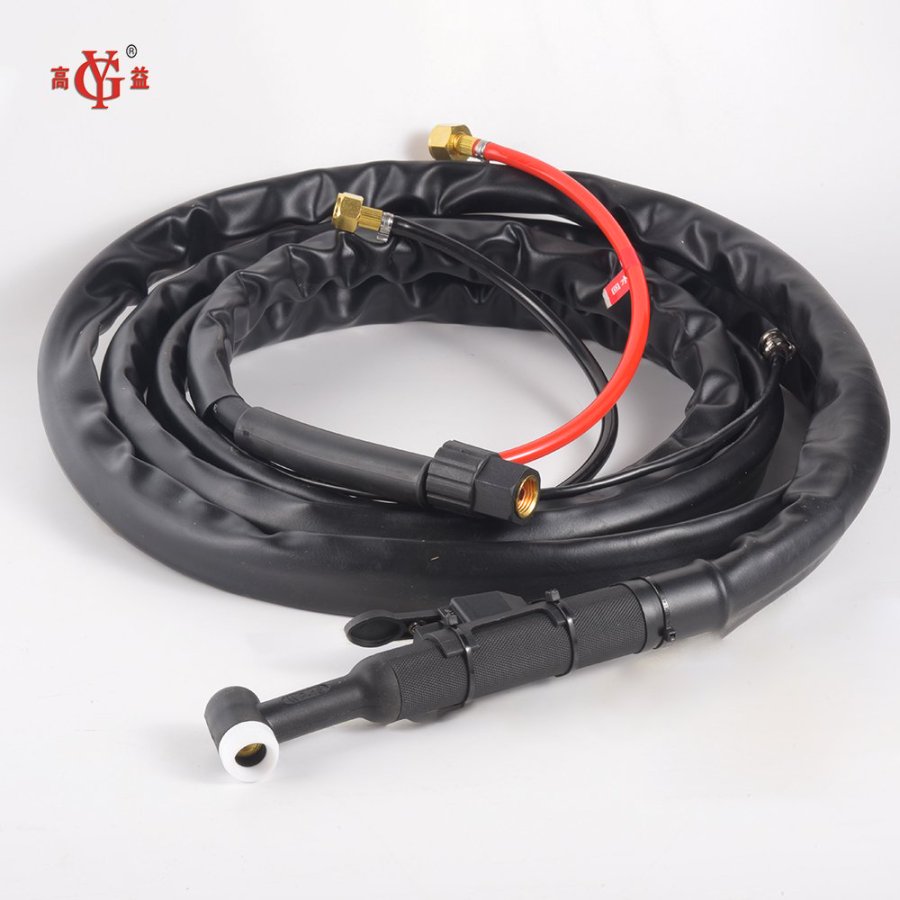
In the world of welding, the quality and consistency of the arc play a critical role in the overall effectiveness of the welding process. One key component that contributes to a stable arc is the type of welding cable used. Non-inductive welding cables have gained recognition for their exceptional performance in various welding applications.
Non-inductive welding cables are engineered to minimize

In the world of welding, the quality and consistency of the arc play a critical role in the overall effectiveness of the welding process. One key component that contributes to a stable arc is the type of welding cable used. Non-inductive welding cables have gained recognition for their exceptional performance in various welding applications.
Non-inductive welding cables are engineered to minimize the inductive effects that can lead to unstable arcs. When current flows through a conductor, it creates a magnetic field, which can induce voltage in nearby conductors. This phenomenon can cause fluctuations in the welding arc, resulting in inconsistent weld quality. By using non-inductive cables, professionals can significantly reduce these unwanted inductive effects, leading to a more stable arc and improved welding outcomes.
One of the primary advantages of non-inductive welding cables is their ability to maintain a consistent voltage level, which is essential for achieving a uniform weld bead. A stable arc allows for better control over the heat input and penetration, leading to stronger and more reliable welds. This is particularly important in applications where high structural integrity is required, such as in construction and manufacturing.
In addition to their stability, non-inductive welding cables are often designed to be flexible and durable. This flexibility allows for easier maneuverability in various welding positions, while their robust construction ensures that they can withstand harsh working environments. As a result, these cables are often preferred by professionals who demand both performance and reliability in their welding operations.
Moreover, non-inductive welding cables come in various sizes and configurations, making them suitable for different types of welding processes, including MIG, TIG, and stick welding. This versatility allows professionals to select the right cable for their specific needs, ensuring optimal performance and efficiency.
When choosing non-inductive welding cables, it is essential to consider factors such as the cable's amperage rating, insulation material, and overall build quality. High-quality cables not only improve welding performance but also enhance safety by reducing the risk of electrical hazards.
In conclusion, non-inductive welding cables play a vital role in achieving a stable arc during welding operations. Their design minimizes inductive effects, leading to improved weld quality and consistency. For professionals in the electrical and engineering fields, investing in high-quality non-inductive welding cables can enhance productivity and ensure superior results in various welding applications.
Non-inductive welding cables are engineered to minimize the inductive effects that can lead to unstable arcs. When current flows through a conductor, it creates a magnetic field, which can induce voltage in nearby conductors. This phenomenon can cause fluctuations in the welding arc, resulting in inconsistent weld quality. By using non-inductive cables, professionals can significantly reduce these unwanted inductive effects, leading to a more stable arc and improved welding outcomes.
One of the primary advantages of non-inductive welding cables is their ability to maintain a consistent voltage level, which is essential for achieving a uniform weld bead. A stable arc allows for better control over the heat input and penetration, leading to stronger and more reliable welds. This is particularly important in applications where high structural integrity is required, such as in construction and manufacturing.
In addition to their stability, non-inductive welding cables are often designed to be flexible and durable. This flexibility allows for easier maneuverability in various welding positions, while their robust construction ensures that they can withstand harsh working environments. As a result, these cables are often preferred by professionals who demand both performance and reliability in their welding operations.
Moreover, non-inductive welding cables come in various sizes and configurations, making them suitable for different types of welding processes, including MIG, TIG, and stick welding. This versatility allows professionals to select the right cable for their specific needs, ensuring optimal performance and efficiency.
When choosing non-inductive welding cables, it is essential to consider factors such as the cable's amperage rating, insulation material, and overall build quality. High-quality cables not only improve welding performance but also enhance safety by reducing the risk of electrical hazards.
In conclusion, non-inductive welding cables play a vital role in achieving a stable arc during welding operations. Their design minimizes inductive effects, leading to improved weld quality and consistency. For professionals in the electrical and engineering fields, investing in high-quality non-inductive welding cables can enhance productivity and ensure superior results in various welding applications.
TAG:
Previous
Previous:
Related Posts
Understanding Non-Inductive Welding Cables for Stable Arc Performance
In the world of welding, the quality and consistency of the arc play a critical role in the overall effectiveness of the welding process. One key component that contributes to a stable arc is the type of welding cable used. Non-inductive welding cables have gained recognition for their exceptional performance in various welding applications.
Non-inductive welding cables are engineered to minimize