
How to Maintain Your Handheld Tip Dresser for Longevity
Jul 04,2026
How to Maintain Your Handheld Tip Dresser for Longevity
Table of Contents
- Understanding the Handheld Tip Dresser
- The Importance of Maintenance
- Routine Cleaning Practices
- Inspecting for Wear and Tear
- Proper Handling Techniques
- Storage Solutions for Longevity
- Common Issues and Troubleshooting
- Frequently Asked Questions
- Conclusion
Understanding the Handheld Tip Dresser
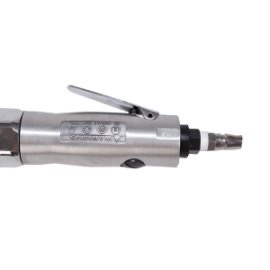
A handheld tip dresser is an essential tool used in welding for maintaining and shaping the tips of welding torches. This tool is crucial for achieving precise welding results, as it helps to remove contaminants and provide a clean surface for optimal performance. Understanding its components, such as the abrasive material and adjusting mechanisms, is foundational for effective maintenance.
The Importance of Maintenance
Regular maintenance of your handheld tip dresser is vital for its longevity and efficiency. A well-maintained tool not only performs better but also saves costs in the long run. Neglecting maintenance can lead to poor welding quality, increased wear on the equipment, and potentially hazardous situations. By investing time in proper care, we can ensure that our tip dresser operates smoothly and lasts for years.
Routine Cleaning Practices
Daily Cleaning
Each time you finish a welding session, it's essential to clean your handheld tip dresser. Use a soft brush or cloth to remove any debris or welding spatter. Failing to do so can cause particles to build up and interfere with the tool's performance.
Weekly Deep Cleaning
Once a week, perform a more thorough cleaning. Disassemble the tip dresser as per the manufacturer's instructions and clean each component with a solvent that is safe for metal. This deep cleaning helps remove any stubborn residues that could impair performance.
Inspecting for Wear and Tear
Regular Inspections
Establish a routine for inspecting your handheld tip dresser for signs of wear and tear. Look for any damage to the abrasive material, such as chips or excessive wear, and ensure that the adjustment mechanisms function correctly. Early detection of issues can prevent more significant problems down the line.
When to Replace Parts
Knowing when to replace components is crucial for maintaining performance. If the abrasive tips show substantial wear, it may be time to replace them. Consult the manufacturer's recommendations for replacement schedules based on usage frequency.
Proper Handling Techniques
Safe Usage Practices
Always follow safety protocols when using your handheld tip dresser. Wear appropriate personal protective equipment (PPE) such as gloves and safety glasses. Handle the tool gently to avoid accidental drops or impacts that could damage it.
Avoiding Overexertion
When using the tip dresser, apply only the necessary pressure to avoid damaging both the tool and the material being worked on. Overexertion can lead to premature wear and subpar results.
Storage Solutions for Longevity
Optimal Storage Conditions
Storing your handheld tip dresser properly is as important as using it correctly. Keep it in a dry, cool place, away from direct sunlight and extreme temperatures. A dedicated storage case or drawer can help minimize exposure to elements that may cause rust or corrosion.
Organizing Your Workspace
Maintain an organized workspace where your tools, including the handheld tip dresser, have designated spots. This reduces the risk of accidental damage and makes it easier to locate tools when needed.
Common Issues and Troubleshooting
Performance Degradation
If you notice that your tip dresser is not performing as expected, check for clogged abrasive surfaces or damaged components. Cleaning or replacing worn parts often resolves performance issues.
Inconsistent Results
Inconsistent dressing results could indicate improper handling or a worn-out abrasive tip. Reassess your technique and inspect the tool for any signs of wear that require attention.
Frequently Asked Questions
1. How often should I clean my handheld tip dresser?
It's advisable to perform a daily cleaning after each use and a more thorough deep cleaning once a week.
2. What should I do if my tip dresser is not cutting effectively?
Check the abrasive material for wear and clean any debris that may be obstructing its function. If necessary, replace the abrasive component.
3. Can I use any cleaning solvent on my tip dresser?
No, always use cleaners that are safe for metal to avoid damaging the tool.
4. How can I tell if the abrasive tip needs to be replaced?
Look for signs of excessive wear, such as a visible reduction in size or a change in texture. If it feels less effective, it's likely time for a replacement.
5. What is the best way to store my handheld tip dresser?
Store it in a dry, cool location, preferably in a protective case, to prevent rust and damage from environmental factors.
Conclusion
Maintaining your handheld tip dresser is essential for ensuring its longevity and optimal performance in welding applications. By implementing routine cleaning, regular inspections, and proper handling and storage techniques, we can extend the life of this vital tool. Taking the time to care for your equipment not only enhances your welding quality but also contributes to a safer working environment. With consistent attention to maintenance, your handheld tip dresser will remain a reliable ally in your welding endeavors for years to come.
TAG:
Previous
Related Posts
How to Maintain Your Handheld Tip Dresser for Longevity