
How to Adjust Your TIG Welding Torch for Different Materials: A Comprehensive Guide
Jul 02,2026
How to Adjust Your TIG Welding Torch for Different Materials
Table of Contents
1. Introduction to TIG Welding and Its Importance
2. Understanding TIG Welding: The Basics
3. Key Components of a TIG Welding Torch
4. Material-Specific Adjustments for TIG Welding
4.1 Adjusting for Aluminum Welding
4.2 Adjusting for Stainless Steel Welding
4
How to Adjust Your TIG Welding Torch for Different Materials
Table of Contents
- 1. Introduction to TIG Welding and Its Importance
- 2. Understanding TIG Welding: The Basics
- 3. Key Components of a TIG Welding Torch
- 4. Material-Specific Adjustments for TIG Welding
- 4.1 Adjusting for Aluminum Welding
- 4.2 Adjusting for Stainless Steel Welding
- 4.3 Adjusting for Copper Welding
- 4.4 Adjusting for Other Metals
- 5. Common TIG Welding Problems and Solutions
- 6. Essential Safety Tips for TIG Welding
- 7. Conclusion
- 8. FAQs
1. Introduction to TIG Welding and Its Importance
TIG (Tungsten Inert Gas) welding is a precise and versatile welding process favored by professionals and hobbyists alike for its ability to produce high-quality welds across various materials. The **ability to adjust your TIG welding torch** is crucial for achieving consistent results. Understanding how to manipulate your torch settings based on the material being welded can significantly improve your welding outcomes.
2. Understanding TIG Welding: The Basics
TIG welding employs a non-consumable tungsten electrode to produce the weld. An inert gas, often argon or helium, protects the weld area from atmospheric contamination, ensuring a clean and strong bond. The process allows for great control over the weld pool, making it ideal for thin materials and delicate applications.
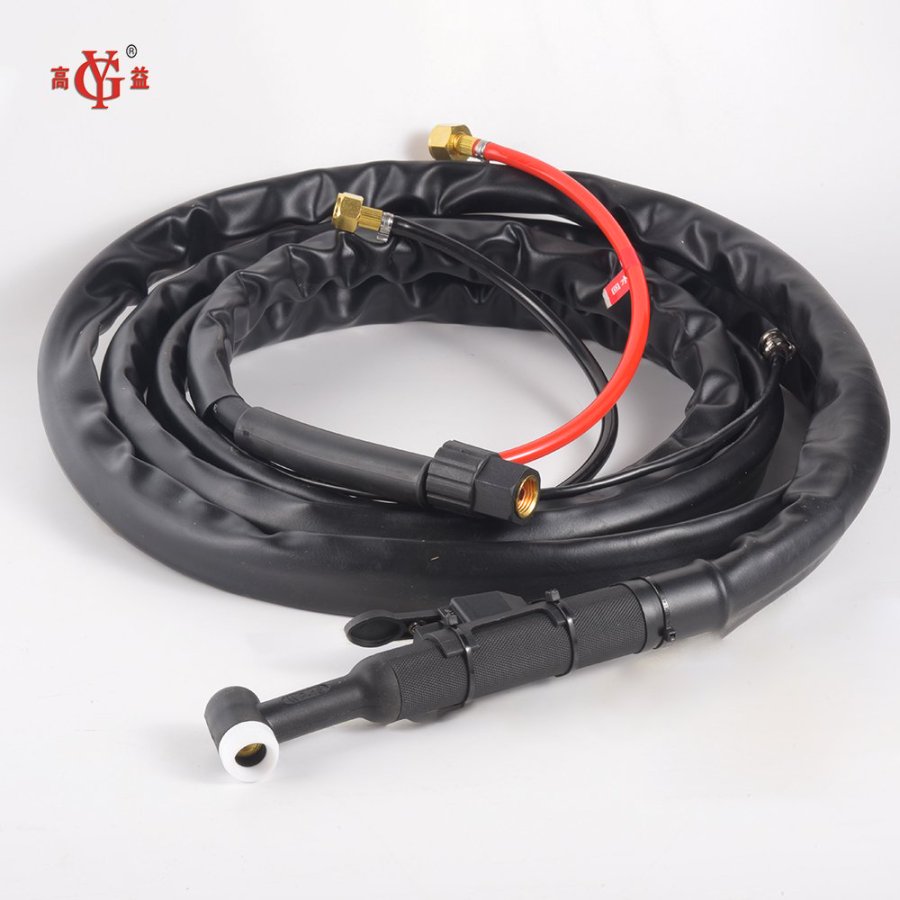
3. Key Components of a TIG Welding Torch
To effectively adjust your TIG welding torch, it’s essential to understand its key components:
3.1 The Tungsten Electrode
The tungsten electrode is the heart of the TIG welding process. It creates the arc and must be properly sized and sharpened according to the material being welded.
3.2 The Nozzle
The nozzle directs the shielding gas over the weld area. Different nozzles accommodate different welding applications and positions.
3.3 The Gas Lens
A gas lens can be added to improve gas flow and shielding, offering better protection against contamination.
3.4 The Filler Rod
The filler rod adds material to the weld pool and must be compatible with the base material for optimal bonding.
4. Material-Specific Adjustments for TIG Welding
Adjusting your TIG welding torch settings is essential for different materials. Below are detailed guidelines for key materials commonly welded using this technique.
4.1 Adjusting for Aluminum Welding
Welding aluminum requires specific adjustments to achieve clean welds.
**Electrode Preparation:** Use a 2% thoriated tungsten electrode, sharpened to a fine point. This ensures a concentrated arc for better control.
**AC Balance Settings:** Set your machine to alternating current (AC) mode. Adjust the AC balance to around 70-80% positive, which helps in cleaning the oxide layer on aluminum.
**Amperage Settings:** The recommended amperage is typically 1 amp per 0.001 inch of material thickness. For example, a 1/8 inch thick aluminum piece requires approximately 100 amps.
**Gas Flow Rate:** Set your argon gas flow rate between 15-20 CFH (cubic feet per hour) to ensure adequate shielding without turbulence.
4.2 Adjusting for Stainless Steel Welding
Welding stainless steel demands precision due to its susceptibility to warping and discoloration.
**Electrode Selection:** A 2% thoriated or a zirconiated tungsten electrode is ideal. It should also be sharpened to a point or a truncated tip for better arc stability.
**Direct Current (DC) Settings:** Utilize DCEN (Direct Current Electrode Negative) settings for better penetration and heat input control.
**Amperage and Travel Speed:** Generally, 1 amp per 0.001 inch of thickness is a good rule of thumb, but adjustments should be made based on the type of stainless steel and thickness.
**Shielding Gas:** Employ a tri-mix or argon-CO2 blend to improve the shielding and reduce the risk of contamination.
4.3 Adjusting for Copper Welding
Copper welding can be challenging due to high thermal conductivity and oxidation.
**Electrode:** Utilize a thoriated tungsten electrode sharpened to a point for better arc control.
**Temperature Settings:** Copper requires higher amperage. Use approximately 1 amp for every 0.001 inch thickness, with a minimum of 10-20% more than aluminum or stainless steel.
**Gas Flow:** Set the argon gas flow rate between 15-30 CFH to ensure effective shielding.
**Preheat the Material:** For thick copper components, preheating the material can reduce the risk of cracking and improve weld quality.
4.4 Adjusting for Other Metals
When welding other metals like magnesium and titanium, it is crucial to tailor the settings accordingly.
**Magnesium:** Use a pure tungsten electrode and adjust the AC balance to around 50-60% positive. Maintain a gas flow of approximately 15 CFH.
**Titanium:** Use a pure tungsten electrode and DCEN settings. Maintain a higher gas flow rate of 25-30 CFH to prevent oxidation.
5. Common TIG Welding Problems and Solutions
Welding often comes with challenges. Here are common problems faced when adjusting your TIG welding torch, along with solutions:
5.1 Porosity
**Symptoms:** Small holes or pits in the weld.
**Solution:** Ensure proper gas flow and check for contamination in the filler rod or base material.
5.2 Lack of Penetration
**Symptoms:** Insufficient fusion between the base metal and filler rod.
**Solution:** Increase amperage and adjust travel speed. Ensure proper torch angle and distance.
5.3 Overheating
**Symptoms:** Burn-through or warping of the base material.
**Solution:** Reduce amperage or increase travel speed. Use a larger diameter filler rod for better heat distribution.
5.4 Cracking
**Symptoms:** Visible cracks in the weld bead.
**Solution:** Preheat the materials, maintain proper travel speed, and ensure the filler rod matches the base material.
6. Essential Safety Tips for TIG Welding
Safety is paramount in TIG welding. Follow these essential safety tips to protect yourself:
6.1 Proper Gear
Always wear protective gear, including a welding helmet, gloves, and a fire-resistant jacket.
6.2 Ventilation
Ensure proper ventilation in your workspace to avoid inhaling harmful fumes.
6.3 Electrical Safety
Be mindful of electrical hazards. Always inspect your equipment for frayed wires or damage before use.
7. Conclusion
Adjusting your TIG welding torch settings based on the material you are working with is crucial for achieving high-quality welds. By understanding the specific requirements for aluminum, stainless steel, copper, and other metals, you can enhance your welding skills and produce durable, aesthetically pleasing results. Remember to prioritize safety and troubleshoot common issues to ensure a smooth welding experience.
8. FAQs
8.1 What is the best tungsten electrode for aluminum welding?
The best tungsten electrode for aluminum welding is a 2% thoriated electrode, sharpened to a fine point for better arc stability.
8.2 How do I know the right amperage for my material thickness?
A general rule of thumb is to use 1 amp for every 0.001 inch of material thickness. However, adjustments may be needed based on the specific metal and application.
8.3 Can I use the same settings for different materials?
Different materials require specific adjustments to voltage, amperage, and gas flow for optimal results. It is advisable to tailor settings for each material type.
8.4 What should I do if my welds have visible cracks?
If you notice cracks in your welds, consider preheating the materials, ensuring proper filler rod match, and maintaining an appropriate travel speed.
8.5 How often should I inspect my TIG welding equipment?
Regular inspections should be conducted before each use to check for any signs of wear, damage, or contamination in your equipment.
TAG:
Previous
Related Posts
How to Adjust Your TIG Welding Torch for Different Materials: A Comprehensive Guide
How to Adjust Your TIG Welding Torch for Different Materials
Table of Contents
1. Introduction to TIG Welding and Its Importance
2. Understanding TIG Welding: The Basics
3. Key Components of a TIG Welding Torch
4. Material-Specific Adjustments for TIG Welding
4.1 Adjusting for Aluminum Welding
4.2 Adjusting for Stainless Steel Welding
4