
Comparing Different Types of Welding Wire Feeders for MIG Systems: A Comprehensive Guide
Sep 18,2026
Comparing Different Types of Welding Wire Feeders for MIG Systems
Table of Contents
1. Introduction to MIG Welding and Wire Feeders
2. Types of Welding Wire Feeders
2.1 Semi-Automatic Wire Feeders
2.2 Fully Automatic Wire Feeders
2.3 Push-Pull Wire Feeders
2.4 Dual Gear Feeders
3. Benefits of Using Welding Wire Feeders
Comparing Different Types of Welding Wire Feeders for MIG Systems
Table of Contents
- 1. Introduction to MIG Welding and Wire Feeders
- 2. Types of Welding Wire Feeders
- 2.1 Semi-Automatic Wire Feeders
- 2.2 Fully Automatic Wire Feeders
- 2.3 Push-Pull Wire Feeders
- 2.4 Dual Gear Feeders
- 3. Benefits of Using Welding Wire Feeders
- 4. How to Choose the Right Welding Wire Feeder
- 5. Maintenance Tips for Welding Wire Feeders
- 6. Frequently Asked Questions
- 7. Conclusion
1. Introduction to MIG Welding and Wire Feeders
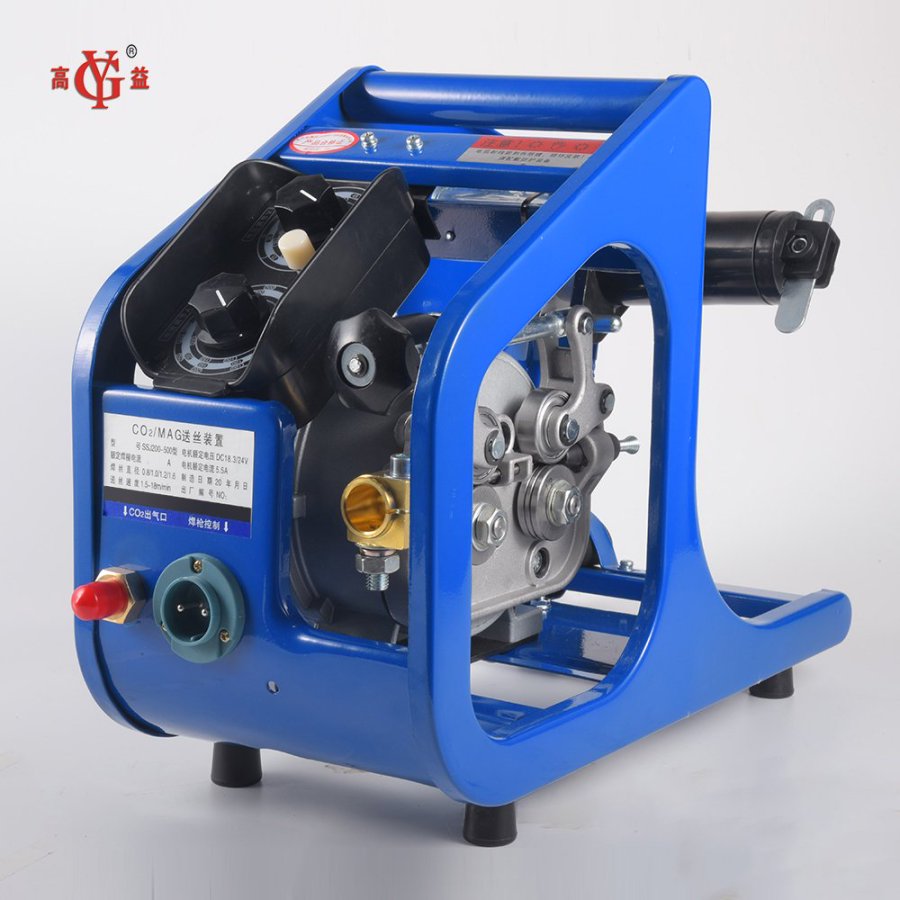
MIG (Metal Inert Gas) welding, also known as Gas Metal Arc Welding (GMAW), is a versatile and widely-used welding process. This method employs a continuous flow of shielding gas and a consumable wire electrode to produce high-quality welds. One of the critical components in MIG welding systems is the **welding wire feeder**, which ensures a steady supply of wire to the welding arc. Understanding the different types of wire feeders available is crucial for achieving optimal results in various welding applications.
2. Types of Welding Wire Feeders
Welding wire feeders come in several forms, each designed for specific applications and user preferences. Here, we explore four primary types of wire feeders used in MIG systems.
2.1 Semi-Automatic Wire Feeders
**Semi-automatic wire feeders** are the most common type in MIG welding. They operate by automatically feeding the wire to the welding gun while the welder controls the welding process manually. This type provides flexibility, allowing the operator to adjust the welding speed and parameters as needed. Additionally, semi-automatic feeders are ideal for various materials, including steel, aluminum, and stainless steel.
2.2 Fully Automatic Wire Feeders
**Fully automatic wire feeders** are designed for high-volume production environments where consistency and speed are essential. These feeders require minimal operator intervention, automatically adjusting wire feed speed and other parameters based on real-time feedback. Fully automatic systems are particularly beneficial in industries such as automotive and heavy manufacturing, where precision and efficiency are paramount.
2.3 Push-Pull Wire Feeders
**Push-pull wire feeders** are specialized systems used primarily for feeding aluminum wire. In this design, one motor pushes the wire while another pulls it, reducing the risk of wire kinking and tangling. This dual-action mechanism ensures a smooth, consistent feed, making it ideal for welding applications that require precision and control. Push-pull feeders are particularly advantageous for long-distance wire feeding.
2.4 Dual Gear Feeders
**Dual gear feeders** offer enhanced control over wire feed speed and tension. These feeders utilize two independent gear drives to provide superior torque and smoother wire feeding. This type is particularly useful for welding with thicker wires or for applications requiring high-speed welding. The dual gear mechanism allows for more precise control, ultimately leading to improved welding performance and quality.
3. Benefits of Using Welding Wire Feeders
Using welding wire feeders in MIG welding systems provides numerous advantages that enhance the overall welding process. Here are some key benefits:
Improved Efficiency
Wire feeders streamline the feeding process, ensuring a continuous supply of wire to the welding arc. This efficiency reduces downtime and increases productivity, particularly in high-volume welding operations.
Consistent Wire Feed Rate
Maintaining a consistent wire feed rate is crucial for achieving high-quality welds. Wire feeders automatically regulate the feed speed, ensuring uniformity and minimizing the risk of defects caused by inconsistent wire supply.
Enhanced Weld Quality
With the precise control offered by wire feeders, welders can achieve better penetration and bead appearance. This level of control results in stronger and more aesthetically pleasing welds, which is essential for many applications.
Reduced Operator Fatigue
Automating the wire feeding process allows welders to focus on other aspects of the welding task, reducing physical strain. This ergonomic benefit is especially valuable in situations where welders are required to work for extended periods.
4. How to Choose the Right Welding Wire Feeder
Selecting the appropriate welding wire feeder is critical for achieving optimal performance in various applications. Here are some factors to consider when making your choice:
Welding Material
Different materials require specific types of wire and feeding mechanisms. Ensure that the feeder you choose is compatible with the materials you plan to weld, whether it be steel, aluminum, or other metals.
Application Type
Consider the nature of the projects you will be undertaking. For high-volume production, a fully automatic feeder may be the best choice, while semi-automatic feeders may be more suitable for general-purpose welding.
Wire Size and Type
Evaluate the diameter and type of wire you will be using. Thicker wires may require feeders with higher torque capabilities, while finer wires benefit from more sensitive feeding mechanisms.
Power Supply Compatibility
Ensure that the wire feeder is compatible with your MIG welding machine's power supply. Check the voltage and amperage ratings to avoid any operational issues.
Budget
Wire feeders vary significantly in price based on their complexity and features. Determine your budget early on, considering both the initial investment and potential long-term savings through increased efficiency.
5. Maintenance Tips for Welding Wire Feeders
Regular maintenance of your welding wire feeder is essential for ensuring optimal performance and longevity. Here are some tips to keep your feeder in top shape:
Regular Cleaning
Keep the feeder components clean from dust, debris, and metal shavings. Regularly inspect and clean the drive rolls and guiding system to prevent blockages and ensure smooth wire feeding.
Inspect Electrical Connections
Check electrical connections for wear and tear. Loose or damaged connections can lead to inconsistent wire feeding and may affect the overall performance of the welding system.
Lubrication
Lubricate moving parts according to the manufacturer’s recommendations. Proper lubrication minimizes wear and tear, extending the lifespan of the feeder.
Calibration
Regularly calibrate the wire feeder to ensure accurate wire feed rates. This practice is crucial for maintaining consistent weld quality and avoiding defects.
Professional Servicing
Consider scheduling professional servicing for your wire feeder periodically. Technicians can identify and address potential issues that may not be apparent during routine maintenance.
6. Frequently Asked Questions
What is the primary function of a welding wire feeder?
The primary function of a welding wire feeder is to supply a continuous feed of wire to the welding arc, ensuring a consistent and stable welding process.
Which type of wire feeder is best for aluminum welding?
Push-pull wire feeders are the most effective for aluminum welding, as they minimize the risk of wire kinking and provide smooth wire feeding.
How do I know if my wire feeder is compatible with my MIG welder?
Check the manufacturer's specifications for both your MIG welder and the wire feeder to ensure that they have compatible voltage and amperage ratings.
Can I use the same wire feeder for different types of welding applications?
Yes, many wire feeders are versatile and can be used for various applications. However, ensure that they are compatible with the specific materials and wire types you plan to use.
What maintenance tasks should I perform on my wire feeder?
Regular maintenance tasks include cleaning, inspecting electrical connections, lubricating moving parts, calibrating the feed rate, and scheduling professional servicing.
7. Conclusion
In the world of MIG welding, choosing the right welding wire feeder is crucial for achieving high-quality results. Understanding the various types of wire feeders—such as semi-automatic, fully automatic, push-pull, and dual gear—enables welders to select the most suitable option for their specific applications. By considering factors such as welding materials, application type, and maintenance needs, we can optimize our welding processes and enhance overall efficiency. With the right wire feeder, welders can expect improved weld quality, reduced operator fatigue, and increased productivity, paving the way for successful welding projects.
TAG:
Related Posts
Comparing Different Types of Welding Wire Feeders for MIG Systems: A Comprehensive Guide
Comparing Different Types of Welding Wire Feeders for MIG Systems
Table of Contents
1. Introduction to MIG Welding and Wire Feeders
2. Types of Welding Wire Feeders
2.1 Semi-Automatic Wire Feeders
2.2 Fully Automatic Wire Feeders
2.3 Push-Pull Wire Feeders
2.4 Dual Gear Feeders
3. Benefits of Using Welding Wire Feeders