
Selecting a Welding Wire Feeder: Key Features to Consider for Optimal Performance
May 22,2026
Selecting a Welding Wire Feeder: Key Features to Consider for Optimal Performance
When it comes to industrial applications, choosing the right welding wire feeder is crucial. A welding wire feeder is vital in ensuring a smooth and efficient welding process, which directly impacts the quality of the finished product. In this comprehensive guide, we will explore the key features you should consider
Selecting a Welding Wire Feeder: Key Features to Consider for Optimal Performance
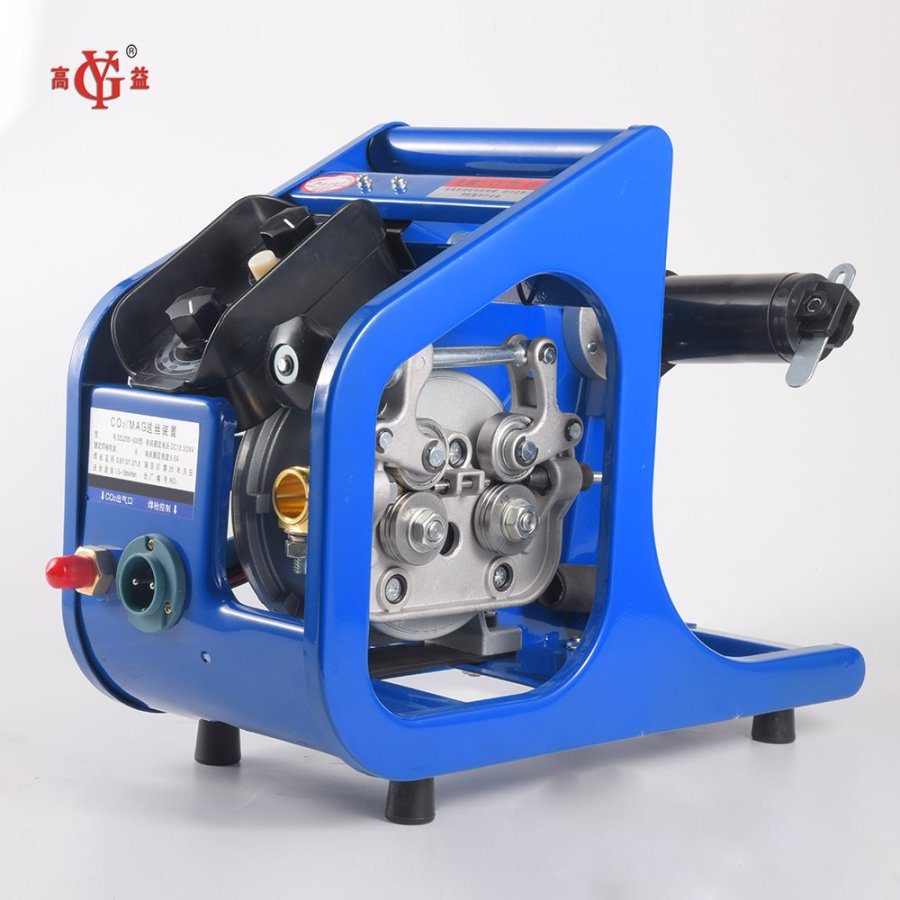
When it comes to industrial applications, choosing the right welding wire feeder is crucial. A welding wire feeder is vital in ensuring a smooth and efficient welding process, which directly impacts the quality of the finished product. In this comprehensive guide, we will explore the key features you should consider when selecting a welding wire feeder. Our goal is to provide you with the insights necessary to make an informed decision that boosts productivity and enhances your welding operations.
Table of Contents
- 1. Introduction to Welding Wire Feeders
- 2. Importance of Choosing the Right Wire Feeder
- 3. Key Features to Look for in a Welding Wire Feeder
- 3.1 Wire Feeding Mechanism
- 3.2 Drive Roll Configuration
- 3.3 Control Options
- 3.4 Compatibility with Welding Processes
- 3.5 Portability and Durability
- 4. Considerations for Selecting the Right Wire Feeder
- 5. Common Applications of Welding Wire Feeders
- 6. Expert Tips for Maintaining Your Welding Wire Feeder
- 7. Conclusion
- 8. FAQs about Welding Wire Feeders
1. Introduction to Welding Wire Feeders
A welding wire feeder plays a crucial role in the welding process by delivering the welding wire to the welding arc. This device ensures a consistent feed rate, which is essential for achieving high-quality welds. Understanding the function and importance of welding wire feeders can significantly impact the efficiency of your welding operations.
2. Importance of Choosing the Right Wire Feeder
Selecting the right welding wire feeder can mean the difference between a successful welding project and one that fails to meet quality standards. Often, welders encounter issues such as inconsistent wire feed, poor weld quality, or equipment breakdowns due to inadequate feeding systems. By investing time in choosing the appropriate wire feeder, you can enhance productivity, improve weld quality, and reduce downtime.
3. Key Features to Look for in a Welding Wire Feeder
When looking for a welding wire feeder, several key features are essential to ensure optimal performance. Understanding these features will help you select the right equipment for your needs.
3.1 Wire Feeding Mechanism
The wire feeding mechanism is fundamental to the operation of the welding wire feeder. Various mechanisms, including push-pull, drive roll, and dual-groove systems, can significantly impact wire delivery consistency. The choice of mechanism will depend on the specific welding application and the type of wire being used.
3.2 Drive Roll Configuration
Drive rolls are integral components that grip and feed the welding wire. Depending on the wire diameter and type, different configurations (such as V-groove or U-groove) may be required. Ensuring that the drive roll configuration matches the wire specifications is vital for avoiding feeding issues and ensuring smooth operation.
3.3 Control Options
Modern welding wire feeders come equipped with various control options, ranging from basic speed controls to advanced digital interfaces. Features such as variable speed settings, remote control capabilities, and display panels can enhance usability and precision in your welding tasks. Opt for a wire feeder that offers the control options that best suit your working style and project requirements.
3.4 Compatibility with Welding Processes
Welding wire feeders must be compatible with the specific welding process you intend to use, such as MIG, TIG, or flux-cored welding. Each process has unique requirements for wire feeding, and selecting a feeder designed for your specific application will enhance performance and weld quality.
3.5 Portability and Durability
For many welders, especially those who work on-site, portability and durability are crucial factors. A lightweight, robust welding wire feeder will not only make it easier to transport but will also endure the rigors of industrial environments. Consider selecting a feeder made from high-quality materials that can withstand wear and tear.
4. Considerations for Selecting the Right Wire Feeder
When selecting a welding wire feeder, several additional factors must be considered. These factors can affect not only the performance of the wire feeder but also your overall satisfaction with the equipment.
- **Welding Environment**: Assess whether you will be working indoors, outdoors, or in restricted spaces. Some feeders are designed specifically for harsh environments, featuring waterproof or dustproof designs.
- **Wire Type and Diameter**: Different welding applications require specific wire types and diameters. Ensure that the wire feeder can accommodate the wire you plan to use.
- **Budget**: While it may be tempting to choose the cheapest option, investing in a high-quality welding wire feeder can save money in the long run by reducing maintenance and improving welding outcomes.
5. Common Applications of Welding Wire Feeders
Welding wire feeders are employed across various industries and applications. Some common uses include:
- **Automotive Manufacturing**: In automotive production lines, reliable welding wire feeders ensure the creation of high-quality vehicle components efficiently.
- **Construction Projects**: For structural steel applications, wire feeders provide the necessary power and precision to complete welding tasks quickly and effectively.
- **Shipbuilding**: In maritime applications, durable welding wire feeders can withstand harsh conditions while delivering consistent performance.
6. Expert Tips for Maintaining Your Welding Wire Feeder
To ensure the longevity and efficiency of your welding wire feeder, regular maintenance is essential. Here are some expert tips:
- **Regular Cleaning**: Keep the feeder clean from dust and debris, which can affect performance.
- **Check Drive Rolls**: Inspect drive rolls for wear and replace them if necessary to maintain proper wire feed.
- **Monitor Electrical Connections**: Regularly check electrical connections for signs of wear or corrosion to prevent operational issues.
- **Lubrication**: Follow manufacturer guidelines for lubrication of moving parts to ensure smooth operation.
7. Conclusion
Selecting the right welding wire feeder is a critical decision that impacts the quality and efficiency of your welding projects. By considering key features such as wire feeding mechanisms, drive roll configurations, control options, and compatibility with welding processes, you can make an informed choice. Additionally, assessing portability and durability can further enhance your welding experience. With proper maintenance, your welding wire feeder can serve you well and contribute positively to your industrial operations.
8. FAQs about Welding Wire Feeders
1. What type of welding wire feeder is best for MIG welding?
The best type of welding wire feeder for MIG welding is typically a dual-groove drive roll system that ensures consistent wire feed rates and compatibility with various wire diameters.
2. How often should I maintain my welding wire feeder?
Regular maintenance should be performed every few months, or more frequently if the feeder is used regularly. This includes cleaning and inspecting for wear.
3. Can I use the same wire feeder for different types of welding?
While some wire feeders are versatile, it’s best to select a feeder specifically designed for the welding process you intend to use for optimal performance.
4. What is the importance of the wire feeding mechanism?
The wire feeding mechanism is crucial as it directly affects the consistency of the wire feed, thus influencing the quality of the weld.
5. Are there portable welding wire feeders available?
Yes, many manufacturers offer portable welding wire feeders designed for easy transport and use in various environments, including on-site projects.
By leveraging the insights shared in this article, you can confidently select a welding wire feeder that meets your operational needs and contributes to high-quality welding results.
TAG:
Related Posts

Understanding Spot Welding Electrode Caps: Essential Components for Efficient Welding
Spot welding is a crucial process in various industries, particularly in the manufacturing of metal products. One key component in this process is the spot welding electrode cap, which plays a vital role in ensuring the efficiency and effectiveness of the welding operation. Understanding the function and importance of these electrode caps is essential for professionals in the electrical and weldin