
Understanding Non-Inductive Welding Cables for a Stable Arc
May 19,2026
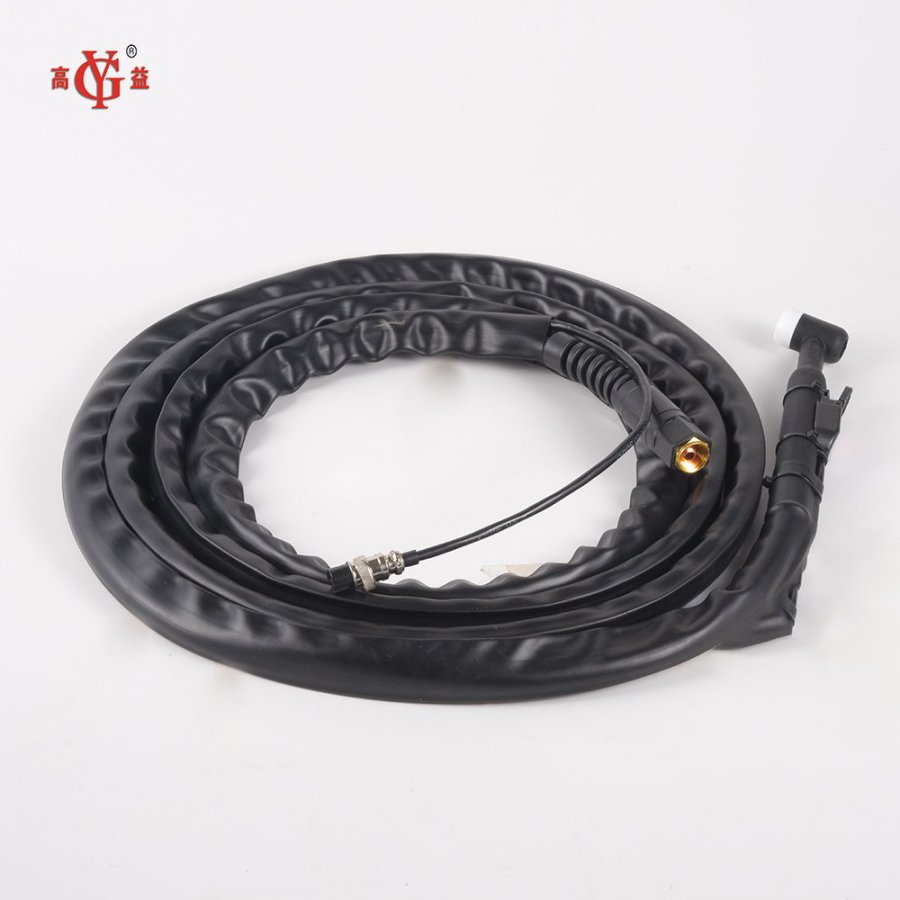
Non-inductive welding cables are specifically designed to minimize inductance during welding operations. Inductance can cause various issues, such as unstable arcs, inconsistent power delivery, and increased spatter, all of which can compromise the quality of the weld. By using non-inductive cables, welders can achieve a more stable arc, which is essential for producing high-quality welds.
One of

Non-inductive welding cables are specifically designed to minimize inductance during welding operations. Inductance can cause various issues, such as unstable arcs, inconsistent power delivery, and increased spatter, all of which can compromise the quality of the weld. By using non-inductive cables, welders can achieve a more stable arc, which is essential for producing high-quality welds.
One of the key features of non-inductive welding cables is their construction. These cables typically consist of finely stranded conductors that have been arranged in a way to reduce the inductive effects. This design allows for better current distribution and helps to maintain a consistent arc, even in challenging conditions. The flexibility of these cables also enhances maneuverability, making them easier to work with, especially in tight spaces or when performing intricate welding tasks.
The application of non-inductive welding cables extends to various welding techniques, including MIG (Metal Inert Gas), TIG (Tungsten Inert Gas), and stick welding. With these cables, welders can enjoy improved arc stability and better control over the welding process, leading to cleaner and more precise welds. This is particularly important in industries where quality and reliability are paramount, such as automotive, aerospace, and construction.
Another significant advantage of non-inductive welding cables is their durability. These cables are typically constructed with high-quality insulation that can withstand extreme temperatures and harsh working environments. This durability not only prolongs the lifespan of the cables but also ensures safety for the user, as they are less prone to damage or overheating during prolonged use.
Additionally, the reduced inductance associated with non-inductive welding cables contributes to energy efficiency. By minimizing energy losses, these cables can help reduce operational costs over time, making them a smart choice for both individual welders and large-scale operations.
In conclusion, non-inductive welding cables play a vital role in achieving stable arcs and high-quality welds. Their design minimizes inductance, enhances flexibility, and ensures durability, making them an essential component for any welder looking to improve their work. By choosing the right welding cable, you can elevate your welding experience and achieve superior results. Whether for professional use or personal projects, understanding the benefits of non-inductive welding cables can lead to more efficient and effective welding operations.
One of the key features of non-inductive welding cables is their construction. These cables typically consist of finely stranded conductors that have been arranged in a way to reduce the inductive effects. This design allows for better current distribution and helps to maintain a consistent arc, even in challenging conditions. The flexibility of these cables also enhances maneuverability, making them easier to work with, especially in tight spaces or when performing intricate welding tasks.
The application of non-inductive welding cables extends to various welding techniques, including MIG (Metal Inert Gas), TIG (Tungsten Inert Gas), and stick welding. With these cables, welders can enjoy improved arc stability and better control over the welding process, leading to cleaner and more precise welds. This is particularly important in industries where quality and reliability are paramount, such as automotive, aerospace, and construction.
Another significant advantage of non-inductive welding cables is their durability. These cables are typically constructed with high-quality insulation that can withstand extreme temperatures and harsh working environments. This durability not only prolongs the lifespan of the cables but also ensures safety for the user, as they are less prone to damage or overheating during prolonged use.
Additionally, the reduced inductance associated with non-inductive welding cables contributes to energy efficiency. By minimizing energy losses, these cables can help reduce operational costs over time, making them a smart choice for both individual welders and large-scale operations.
In conclusion, non-inductive welding cables play a vital role in achieving stable arcs and high-quality welds. Their design minimizes inductance, enhances flexibility, and ensures durability, making them an essential component for any welder looking to improve their work. By choosing the right welding cable, you can elevate your welding experience and achieve superior results. Whether for professional use or personal projects, understanding the benefits of non-inductive welding cables can lead to more efficient and effective welding operations.
TAG:
Related Posts
Choosing Non-Inductive Welding Cables for a Stable Arc: Essential Insights
In the world of electrical engineering, particularly in the welding industry, the choice of cables significantly impacts the quality and efficiency of the welding process. Non-inductive welding cables are specifically designed to enhance the stability of the arc, ensuring a smoother and more consistent welding performance. Understanding the properties and benefits of these cables can be crucial fo