
Understanding the Importance of Spot Welding Electrode Caps in Efficient Welding Operations
May 21,2026
Spot welding is a widely used technique in various manufacturing sectors, particularly in the automotive and electronics industries. One of the key components that contribute to the effectiveness of this process is the spot welding electrode cap. These caps play a significant role in ensuring the quality of welds, influencing both productivity and the overall integrity of the welded materials.
The
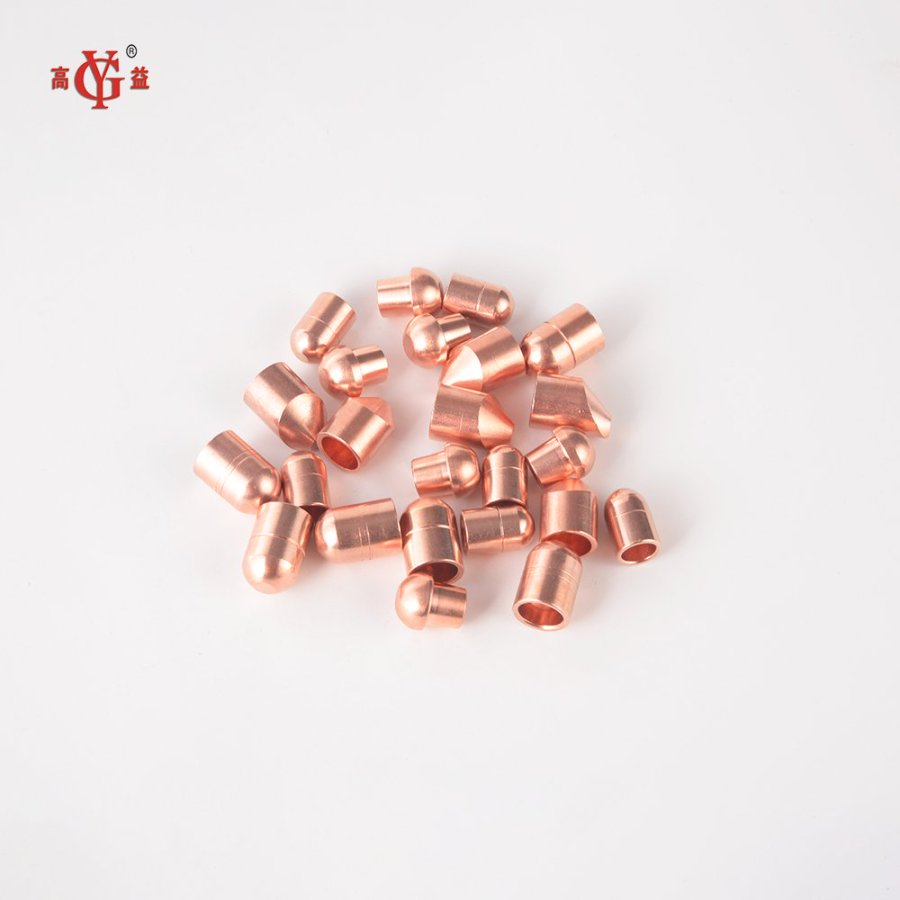
Spot welding is a widely used technique in various manufacturing sectors, particularly in the automotive and electronics industries. One of the key components that contribute to the effectiveness of this process is the spot welding electrode cap. These caps play a significant role in ensuring the quality of welds, influencing both productivity and the overall integrity of the welded materials.
The primary function of a spot welding electrode cap is to protect the electrode from wear and tear during the welding process. As the electrodes are subjected to extreme heat and pressure, they can deteriorate over time, which can lead to subpar welds. The electrode caps serve as a protective barrier, prolonging the life of the electrodes and maintaining consistent welding performance.
When selecting spot welding electrode caps, several factors come into play. Material composition is crucial; caps made from materials that can withstand high temperatures and resist oxidation are ideal for maintaining electrode integrity. Copper and its alloys are commonly used due to their excellent conductivity and heat resistance. Additionally, the cap's design should be compatible with the specific welding application to ensure effective heat transfer and pressure distribution.
Maintaining spot welding electrode caps is equally important for optimal performance. Regular inspections should be conducted to check for signs of wear, such as cracks or excessive erosion. If any damage is detected, timely replacement is essential to prevent compromised weld quality. Proper cleaning of the caps after welding sessions can also enhance their longevity, as it removes any molten metal or contaminants that may affect performance.
Moreover, the choice of electrode cap can influence the welding parameters, including current and pressure settings. It’s essential to align the specifications of the electrode caps with the requirements of the welding equipment being used. This alignment ensures that the right amount of heat is generated and applied, which is vital for achieving strong, reliable welds.
In conclusion, spot welding electrode caps are critical components in the welding process that cannot be overlooked. Their role in protecting electrodes, enhancing weld quality, and supporting efficient operations makes them a fundamental aspect of any welding setup. By understanding the importance of these caps, manufacturers can improve their welding processes and achieve higher quality outcomes in their production lines. Investing time in the selection and maintenance of spot welding electrode caps will ultimately pay off in the form of increased productivity and reduced costs associated with rework and material failures.
The primary function of a spot welding electrode cap is to protect the electrode from wear and tear during the welding process. As the electrodes are subjected to extreme heat and pressure, they can deteriorate over time, which can lead to subpar welds. The electrode caps serve as a protective barrier, prolonging the life of the electrodes and maintaining consistent welding performance.
When selecting spot welding electrode caps, several factors come into play. Material composition is crucial; caps made from materials that can withstand high temperatures and resist oxidation are ideal for maintaining electrode integrity. Copper and its alloys are commonly used due to their excellent conductivity and heat resistance. Additionally, the cap's design should be compatible with the specific welding application to ensure effective heat transfer and pressure distribution.
Maintaining spot welding electrode caps is equally important for optimal performance. Regular inspections should be conducted to check for signs of wear, such as cracks or excessive erosion. If any damage is detected, timely replacement is essential to prevent compromised weld quality. Proper cleaning of the caps after welding sessions can also enhance their longevity, as it removes any molten metal or contaminants that may affect performance.
Moreover, the choice of electrode cap can influence the welding parameters, including current and pressure settings. It’s essential to align the specifications of the electrode caps with the requirements of the welding equipment being used. This alignment ensures that the right amount of heat is generated and applied, which is vital for achieving strong, reliable welds.
In conclusion, spot welding electrode caps are critical components in the welding process that cannot be overlooked. Their role in protecting electrodes, enhancing weld quality, and supporting efficient operations makes them a fundamental aspect of any welding setup. By understanding the importance of these caps, manufacturers can improve their welding processes and achieve higher quality outcomes in their production lines. Investing time in the selection and maintenance of spot welding electrode caps will ultimately pay off in the form of increased productivity and reduced costs associated with rework and material failures.
TAG:
Previous:
Related Posts
Understanding the Importance of Spot Welding Electrode Caps in Efficient Welding Operations
Spot welding is a widely used technique in various manufacturing sectors, particularly in the automotive and electronics industries. One of the key components that contribute to the effectiveness of this process is the spot welding electrode cap. These caps play a significant role in ensuring the quality of welds, influencing both productivity and the overall integrity of the welded materials.
The