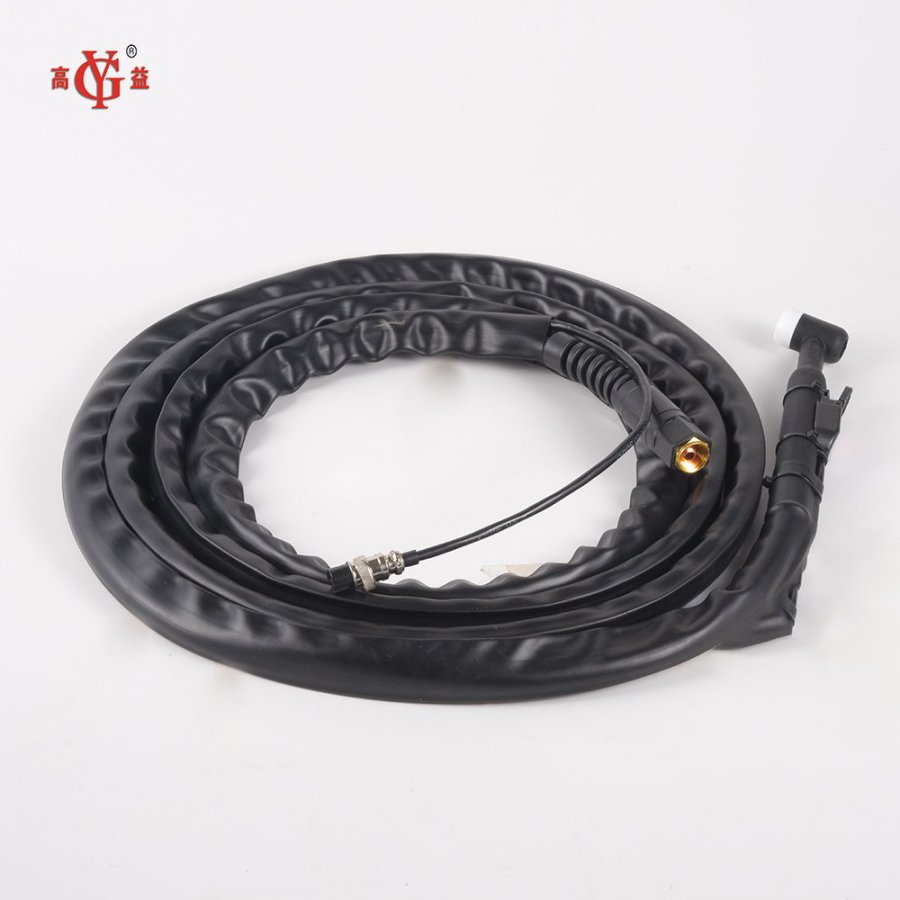

Understanding Non-Inductive Welding Cables for a Stable Arc
May 18,2026
Non-inductive welding cables are specialized electrical cables designed to provide stable arc characteristics during welding processes. Unlike traditional welding cables, which may exhibit inductive properties that can affect performance, non-inductive cables minimize electromagnetic interference and enhance the consistency of the arc. This feature is particularly significant for professional weld
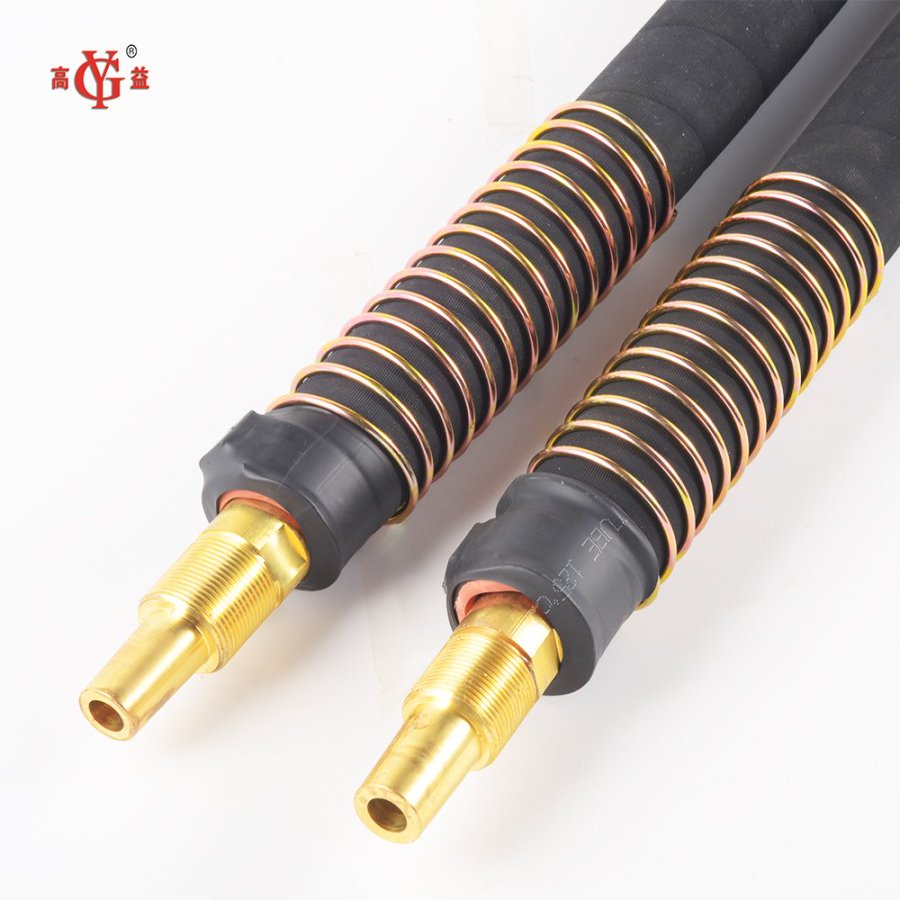
Non-inductive welding cables are specialized electrical cables designed to provide stable arc characteristics during welding processes. Unlike traditional welding cables, which may exhibit inductive properties that can affect performance, non-inductive cables minimize electromagnetic interference and enhance the consistency of the arc. This feature is particularly significant for professional welders and those in the electrical engineering sector, as it can lead to improved weld quality and efficiency.
One of the primary benefits of non-inductive welding cables is their ability to reduce the reactive power that can be generated in inductive systems. When welding, the arc stability is paramount. Variations in the arc can result in poor weld quality or even defects, which can compromise the integrity of the welded materials. Non-inductive cables help maintain a more consistent arc by eliminating fluctuations in voltage and current that are often a result of inductive properties.
Moreover, these cables are engineered to withstand the harsh conditions typically encountered in welding applications. They are constructed with high-quality materials that offer excellent resistance to abrasion, heat, and chemicals, ensuring longevity and reliability in demanding environments. The durability of non-inductive welding cables means less downtime and fewer replacements, which in turn contributes to overall operational efficiency.
Another crucial aspect to consider is the flexibility of non-inductive welding cables. Many of these cables are designed for easy handling, allowing welders to maneuver them without the risk of kinking or damage. This flexibility is particularly beneficial in dynamic work environments where mobility is essential.
In addition to physical durability and flexibility, non-inductive welding cables also promote safer working conditions. The reduction of electromagnetic interference contributes to a safer workspace by minimizing the risk of electrical faults and enhancing the overall safety of welding operations.
When selecting non-inductive welding cables, it is essential to consider the specific requirements of your welding applications. Factors such as the type of welding process, amperage ratings, and environmental conditions should all be taken into account. By understanding these parameters and selecting the right non-inductive welding cable, welders can optimize their arc performance and ensure high-quality results.
In conclusion, non-inductive welding cables are a critical component for achieving stable arcs and enhancing the efficiency of welding tasks. Their unique design minimizes reactive power, improves weld quality, and offers durability, flexibility, and safety. For professionals in the electrical engineering and welding industries, investing in high-quality non-inductive welding cables is a strategic decision that can lead to better outcomes and operational success.
One of the primary benefits of non-inductive welding cables is their ability to reduce the reactive power that can be generated in inductive systems. When welding, the arc stability is paramount. Variations in the arc can result in poor weld quality or even defects, which can compromise the integrity of the welded materials. Non-inductive cables help maintain a more consistent arc by eliminating fluctuations in voltage and current that are often a result of inductive properties.
Moreover, these cables are engineered to withstand the harsh conditions typically encountered in welding applications. They are constructed with high-quality materials that offer excellent resistance to abrasion, heat, and chemicals, ensuring longevity and reliability in demanding environments. The durability of non-inductive welding cables means less downtime and fewer replacements, which in turn contributes to overall operational efficiency.
Another crucial aspect to consider is the flexibility of non-inductive welding cables. Many of these cables are designed for easy handling, allowing welders to maneuver them without the risk of kinking or damage. This flexibility is particularly beneficial in dynamic work environments where mobility is essential.
In addition to physical durability and flexibility, non-inductive welding cables also promote safer working conditions. The reduction of electromagnetic interference contributes to a safer workspace by minimizing the risk of electrical faults and enhancing the overall safety of welding operations.
When selecting non-inductive welding cables, it is essential to consider the specific requirements of your welding applications. Factors such as the type of welding process, amperage ratings, and environmental conditions should all be taken into account. By understanding these parameters and selecting the right non-inductive welding cable, welders can optimize their arc performance and ensure high-quality results.
In conclusion, non-inductive welding cables are a critical component for achieving stable arcs and enhancing the efficiency of welding tasks. Their unique design minimizes reactive power, improves weld quality, and offers durability, flexibility, and safety. For professionals in the electrical engineering and welding industries, investing in high-quality non-inductive welding cables is a strategic decision that can lead to better outcomes and operational success.
TAG:
Related Posts
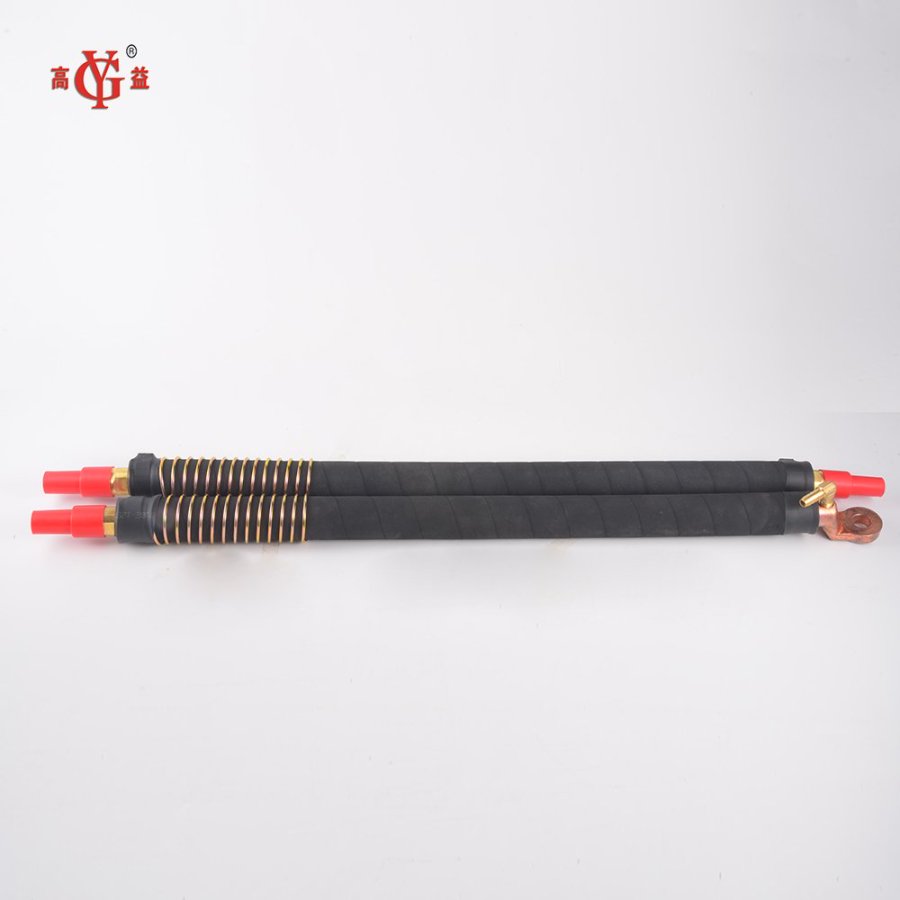
Choosing Non-Inductive Welding Cables for a Stable Arc: Essential Insights
In the world of electrical engineering, particularly in the welding industry, the choice of cables significantly impacts the quality and efficiency of the welding process. Non-inductive welding cables are specifically designed to enhance the stability of the arc, ensuring a smoother and more consistent welding performance. Understanding the properties and benefits of these cables can be crucial fo