
Spot Welding Electrode Caps: Myths and Misconceptions Explained
May 12,2026
Spot Welding Electrode Caps: Myths and Misconceptions Explained
Table of Contents
1. Introduction to Spot Welding and Electrode Caps
2. Understanding the Role of Electrode Caps in Spot Welding
3. Common Myths About Spot Welding Electrode Caps
3.1 Myth 1: Electrode Caps Are Optional
3.2 Myth 2: All Electrode Caps Are the Same
3.3 Myth 3: Using Worn-Out Caps Is Acceptable
3.4 Myth 4:
Spot Welding Electrode Caps: Myths and Misconceptions Explained
Table of Contents
1. Introduction to Spot Welding and Electrode Caps
2. Understanding the Role of Electrode Caps in Spot Welding
3. Common Myths About Spot Welding Electrode Caps
3.1 Myth 1: Electrode Caps Are Optional
3.2 Myth 2: All Electrode Caps Are the Same
3.3 Myth 3: Using Worn-Out Caps Is Acceptable
3.4 Myth 4: Electrode Caps Don’t Affect Weld Quality
3.5 Myth 5: Cap Material Doesn’t Matter
4. The Importance of Selecting the Right Electrode Caps
5. Best Practices for Using Spot Welding Electrode Caps
5.1 Regular Maintenance and Inspection
5.2 Using the Correct Cap for Your Application
5.3 Temperature Management
6. Frequently Asked Questions (FAQs)
7. Conclusion
1. Introduction to Spot Welding and Electrode Caps
Spot welding is a vital process in various industries, particularly in automotive manufacturing and metal fabrication. This welding technique involves joining two or more pieces of metal by applying heat and pressure through electrodes. Central to this process are **spot welding electrode caps**, which serve as critical components that influence the efficiency and quality of welds.
Understanding the myths and misconceptions surrounding these caps is essential to optimizing your welding operations and ensuring safety. In this article, we will debunk common myths and clarify the role of electrode caps in spot welding.
2. Understanding the Role of Electrode Caps in Spot Welding
Electrode caps play a significant role in the spot welding process. They are designed to provide a conductive surface that transfers electrical current to the workpieces, generating the heat necessary for welding. The effectiveness of this heat generation largely depends on the material and condition of the electrode caps.
Moreover, good electrode caps help to ensure consistent weld quality, reduce spatter, and enhance the overall durability of the weld. They also contribute to the longevity of the welding equipment by minimizing wear and tear on the electrodes.
3. Common Myths About Spot Welding Electrode Caps
Despite their importance, many myths about spot welding electrode caps persist. Here, we will explore these misconceptions in detail.
3.1 Myth 1: Electrode Caps Are Optional
One of the most prevalent myths is that electrode caps are optional. This belief can lead to significant issues in the welding process. Electrode caps are essential for effective heat transfer and ensuring consistent weld quality. Without them, the welding process can become inefficient, leading to poor welds and increased equipment wear.
3.2 Myth 2: All Electrode Caps Are the Same
Another misconception is that all electrode caps are interchangeable. In reality, different welding applications require specific types of caps based on the materials being welded and the thickness of the metal. Using the right cap is crucial for optimizing performance and achieving superior weld quality.
3.3 Myth 3: Using Worn-Out Caps Is Acceptable
Many welders mistakenly believe that using worn-out electrode caps is acceptable. However, worn caps can lead to inconsistent heat distribution, resulting in poor-quality welds. Regular inspection and replacement of caps are necessary to maintain peak performance.
3.4 Myth 4: Electrode Caps Don’t Affect Weld Quality
Some believe that the condition of electrode caps has little impact on the quality of the weld. This is far from the truth. Worn or damaged caps can lead to insufficient heat transfer, affecting the bond quality and integrity of the weld. Maintaining high-quality electrode caps is vital for achieving strong and reliable welds.
3.5 Myth 5: Cap Material Doesn’t Matter
Lastly, there is a misconception that the material of electrode caps is inconsequential. In reality, the material affects thermal conductivity, durability, and overall performance. Selecting the appropriate material for your electrode caps is essential for optimizing welding results.
4. The Importance of Selecting the Right Electrode Caps
Choosing the right electrode caps can significantly affect the efficiency and quality of the welding process. Here are some critical considerations:
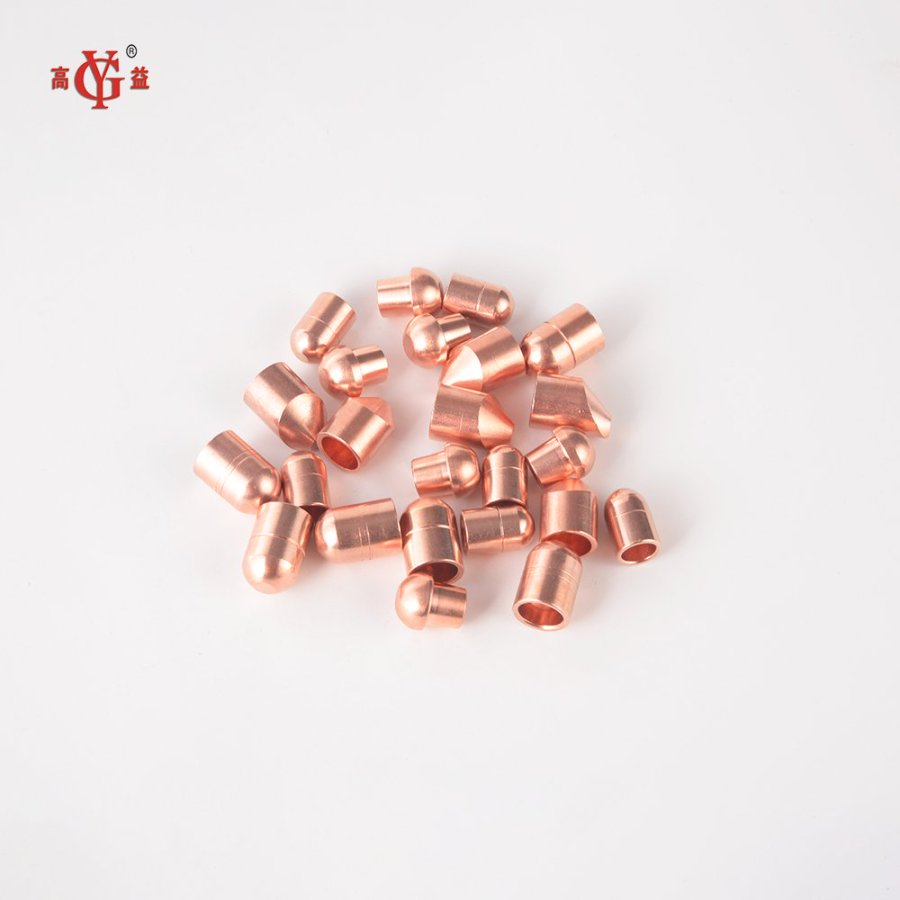
- **Material Type**: Various materials, including copper and copper alloys, have different heat conductivity properties. Selecting a material that suits your specific application is essential for optimal performance.
- **Size and Shape**: The size and shape of the electrode cap can influence the heat distribution and weld penetration. Ensure that the selected cap matches the specifications of the workpieces being welded.
- **Coating**: Some electrode caps come with coatings that enhance electrical conductivity and reduce wear. Understanding these options can help improve weld quality and extend the lifespan of the caps.
5. Best Practices for Using Spot Welding Electrode Caps
To maximize the performance and lifespan of your electrode caps, follow these best practices.
5.1 Regular Maintenance and Inspection
Regularly inspect and maintain your electrode caps to ensure they are in good condition. Look for signs of wear, damage, or contamination, and replace them as needed. Proper maintenance can prevent costly repairs and improve weld quality.
5.2 Using the Correct Cap for Your Application
Always choose the correct electrode cap for your specific welding application. Consult manufacturer guidelines and conduct thorough research to ensure you're using the best cap for your needs.
5.3 Temperature Management
Managing temperature during the welding process is crucial. High temperatures can lead to rapid wear of the electrode caps, while low temperatures may result in poor weld quality. Monitor and adjust settings as necessary to maintain optimal temperatures.
6. Frequently Asked Questions (FAQs)
FAQ 1: How often should I replace my electrode caps?
It is advisable to inspect electrode caps regularly and replace them when they show signs of wear or damage. Proper maintenance is key to ensuring optimal welding performance.
FAQ 2: Can I use different brands of electrode caps with my welding machine?
While different brands may offer compatible electrode caps, it is essential to ensure that they meet the specifications required by your welding machine and application.
FAQ 3: What are the signs that an electrode cap needs replacement?
Signs include visible wear, cracks, discoloration, or any damage that may affect performance. Consistent poor weld quality can also indicate that caps should be replaced.
FAQ 4: Do electrode caps affect the speed of the welding process?
Yes, the right electrode caps can enhance the welding speed by ensuring efficient heat transfer and reducing the time needed to achieve satisfactory welds.
FAQ 5: Are there specific maintenance tips for electrode caps?
Yes, keep the caps clean, inspect them regularly, and store them properly when not in use. Avoid exposing them to excessive heat or corrosive materials.
7. Conclusion
Understanding the role of spot welding electrode caps is essential for achieving high-quality welds and optimizing overall welding operations. By debunking common myths and misconceptions, we can gain a clearer perspective on the importance of these components. Selecting the right electrode caps, performing regular maintenance, and adhering to best practices can lead to enhanced efficiency, improved weld quality, and extended equipment life. Equip yourself with the right knowledge, and make informed decisions to ensure the success of your welding projects.
TAG:
Related Posts

Understanding Non-Inductive Welding Cables for Stable Arc Performance
When it comes to welding applications, the choice of cables is crucial for achieving optimal performance and efficiency. Non-inductive welding cables are engineered specifically to provide stable arc characteristics, which are vital in ensuring high-quality welds. Unlike traditional inductive cables, non-inductive options minimize the inductive reactance that can lead to fluctuations in arc stabil