
How Non-Inductive Welding Cable Ensures a Stable Arc in Challenging Conditions
May 10,2026
How Non-Inductive Welding Cable Ensures a Stable Arc in Challenging Conditions
Table of Contents
1. Introduction to Non-Inductive Welding Cables
2. Understanding the Welding Arc
3. Importance of Stable Arcs in Welding
4. What Are Non-Inductive Welding Cables?
5. Construction of Non-Inductive Welding Cables
6. Benefits of Non-Inductive Welding Cables
7. Applications in
How Non-Inductive Welding Cable Ensures a Stable Arc in Challenging Conditions
Table of Contents
- 1. Introduction to Non-Inductive Welding Cables
- 2. Understanding the Welding Arc
- 3. Importance of Stable Arcs in Welding
- 4. What Are Non-Inductive Welding Cables?
- 5. Construction of Non-Inductive Welding Cables
- 6. Benefits of Non-Inductive Welding Cables
- 7. Applications in Challenging Conditions
- 8. Maintenance and Handling of Welding Cables
- 9. FAQs
- 10. Conclusion
1. Introduction to Non-Inductive Welding Cables
In the welding industry, the ability to maintain a **stable arc** is crucial for achieving high-quality welds. One of the key components that facilitate this stability is the non-inductive welding cable. These cables are specifically designed to manage electrical currents in ways that reduce electromagnetic interference, thereby ensuring a consistent arc even in the most challenging environments. This article aims to explore how these specialized cables operate, their construction, and their benefits in various applications.
2. Understanding the Welding Arc
The welding arc is the heart of the welding process. It is created when a current passes between the electrode and the workpiece, generating the heat necessary to melt and fuse metals together. A **stable arc** is characterized by minimal fluctuation in voltage and current, which is essential for creating strong, defect-free welds. Many factors can affect arc stability, including the type of welding process used, the materials being welded, and external environmental conditions.
3. Importance of Stable Arcs in Welding
A stable arc provides several key advantages:
- **Reduced Spatter**: A consistent arc minimizes unnecessary spatter, leading to cleaner welds.
- **Improved Penetration**: With a stable arc, the heat is uniformly distributed, resulting in better penetration of the weld pool.
- **Increased Efficiency**: Welders can work faster and with greater confidence, knowing that they have a reliable arc.
Overall, achieving a stable arc is vital for both the quality of the weld and the efficiency of the welding process.
4. What Are Non-Inductive Welding Cables?
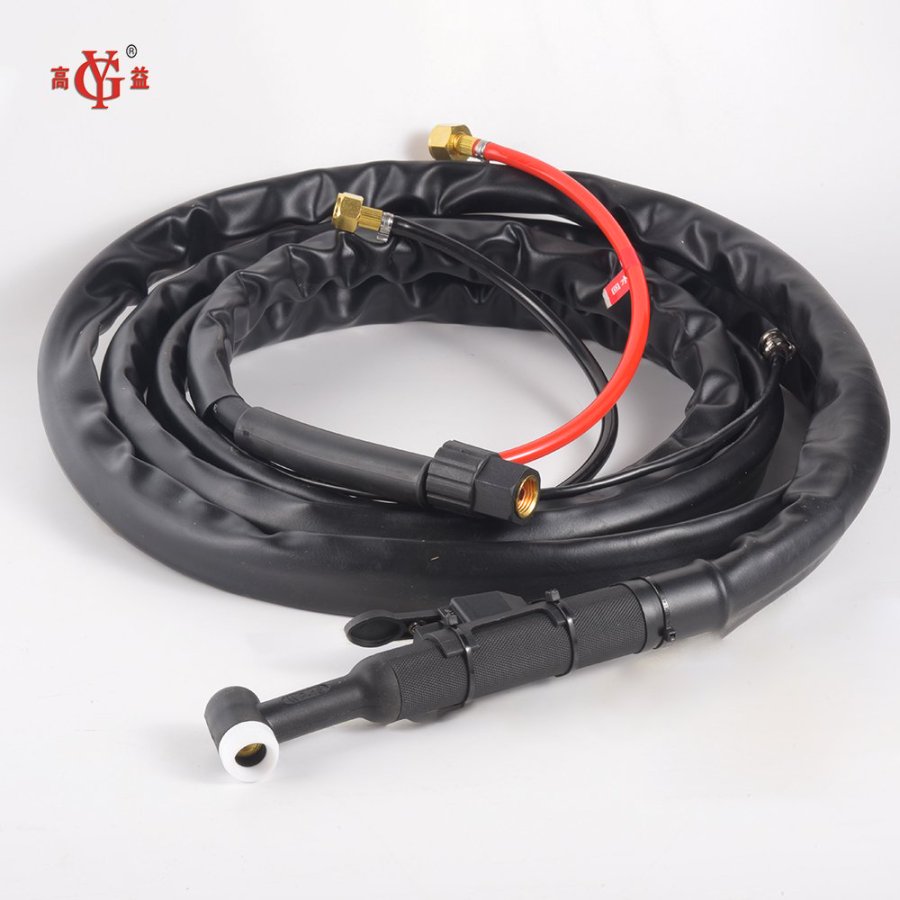
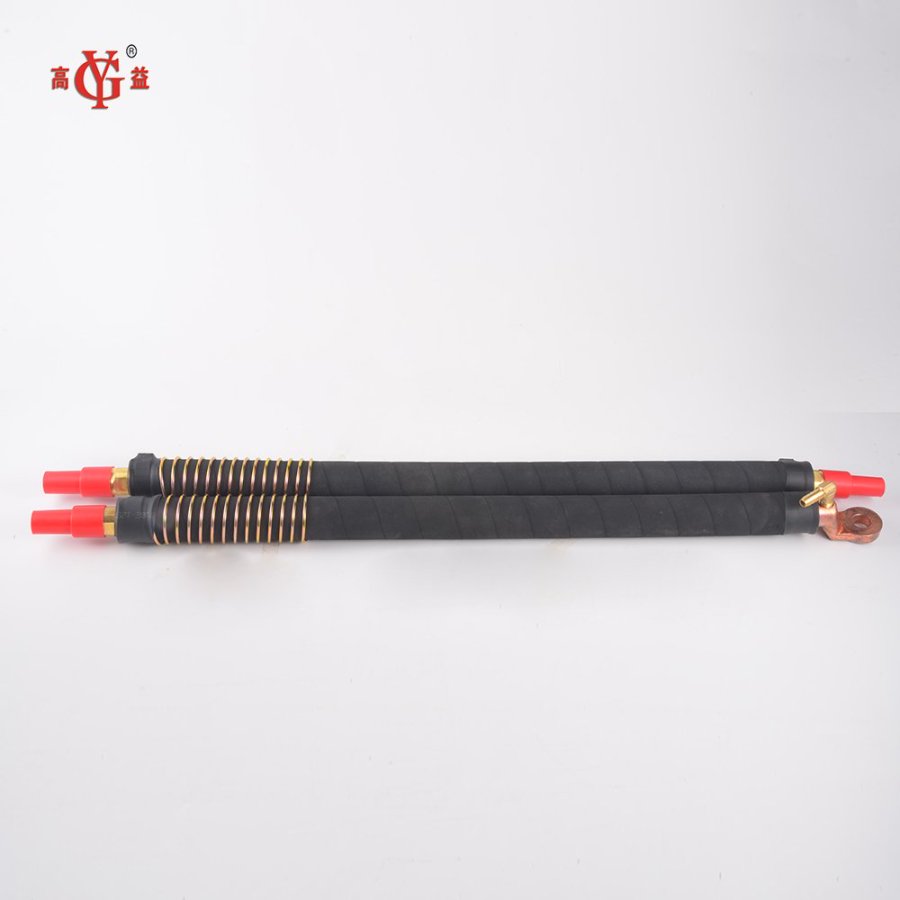
Non-inductive welding cables are specially designed to reduce inductance, which can otherwise interfere with the welding arc. These cables are constructed using specific materials and configurations that minimize the effects of electromagnetic fields. Unlike traditional welding cables, non-inductive options maintain consistent electrical characteristics, ensuring that the welding process remains stable and reliable.
5. Construction of Non-Inductive Welding Cables
The construction of non-inductive welding cables includes several critical components:
- **Conductor Material**: Typically made from high-quality copper, these conductors are chosen for their excellent electrical conductivity.
- **Insulation**: The insulation is crucial for protecting the conductor from environmental factors. It is usually made from durable materials that can withstand high temperatures and abrasion.
- **Layering**: Non-inductive welding cables often incorporate specific layering techniques. By twisting the conductors together or using specific configurations, these cables can effectively minimize inductance.
Together, these elements contribute to the cable's ability to deliver a stable arc in a variety of settings.
6. Benefits of Non-Inductive Welding Cables
Utilizing non-inductive welding cables offers numerous benefits that enhance the welding process:
- **Enhanced Stability**: By reducing inductance, these cables help maintain a stable arc, crucial for high-quality welds.
- **Reduced EMI**: Non-inductive cables minimize electromagnetic interference, which can affect the performance of welding equipment.
- **Versatility**: They can be used in various welding processes, including MIG, TIG, and stick welding, making them a versatile choice for professionals.
- **Durability**: Designed to withstand harsh conditions, these cables offer longevity and reliability in demanding environments.
Incorporating non-inductive welding cables into your toolkit can significantly improve the quality and efficiency of your welding projects.
7. Applications in Challenging Conditions
Non-inductive welding cables are particularly beneficial in challenging conditions, such as:
- **Outdoor Welding**: Weather elements like rain, wind, and dust can disrupt the arc. Non-inductive cables help maintain stability in these scenarios.
- **High-Temperature Environments**: In settings where high heat is prevalent, these cables perform reliably without compromising the welding quality.
- **Limited Space**: In confined areas, the flexibility and reliability of non-inductive cables can make a significant difference in workflow and outcomes.
These factors make non-inductive welding cables an essential tool for welders working in less-than-ideal circumstances.
8. Maintenance and Handling of Welding Cables
To ensure the longevity and performance of non-inductive welding cables, proper maintenance and handling are crucial:
- **Regular Inspections**: Inspect cables for signs of wear and tear, ensuring that insulation remains intact and connectors are secure.
- **Proper Storage**: Store cables in a cool, dry place to prevent damage from environmental factors.
- **Avoiding Overextension**: Be cautious not to overextend or kink the cables during use, as this can cause damage and reduce performance.
By following these maintenance tips, welders can maximize the lifespan and reliability of their non-inductive welding cables.
9. FAQs
What is the difference between inductive and non-inductive welding cables?
Non-inductive welding cables are designed to minimize electromagnetic interference and maintain arc stability, while inductive cables may allow for fluctuations that can affect the welding process.
Can non-inductive welding cables be used for all types of welding processes?
Yes, non-inductive welding cables are versatile and can be used in various welding processes, including MIG, TIG, and stick welding.
How do I know if my welding cables are non-inductive?
Check the specifications provided by the manufacturer. Non-inductive cables will often be labeled as such and will detail their construction and benefits.
Are non-inductive welding cables more expensive than traditional cables?
While they may have a higher upfront cost, their reliability and performance often justify the investment, particularly for professionals.
What are the signs that my welding cable needs to be replaced?
Look for visible wear, fraying, or damage to the insulation, as well as any performance issues during welding. If you notice diminished arc stability, it may be time for a replacement.
10. Conclusion
Non-inductive welding cables play a vital role in ensuring a stable arc under challenging conditions. Their specialized design, which minimizes inductance and electromagnetic interference, provides a significant advantage for welders in various environments. By understanding the construction, benefits, and proper maintenance of these cables, welders can enhance their performance and achieve high-quality welds consistently. Investing in non-inductive welding cables is a strategic choice that can lead to improved efficiency and superior outcomes in any welding project.
TAG:
Related Posts

Understanding Non-Inductive Welding Cables for Stable Arc Performance
When it comes to welding applications, the choice of cables is crucial for achieving optimal performance and efficiency. Non-inductive welding cables are engineered specifically to provide stable arc characteristics, which are vital in ensuring high-quality welds. Unlike traditional inductive cables, non-inductive options minimize the inductive reactance that can lead to fluctuations in arc stabil