
Transform Your MIG Welding Experience with High-Performance Wire Feeders
May 04,2026
Transform Your MIG Welding Experience with High-Performance Wire Feeders
Table of Contents
Introduction to MIG Welding and Wire Feeders
Why Wire Feeders are Essential for MIG Welding
Key Features of High-Performance Wire Feeders
Speed and Precision Control
Advanced Wire Feed Mechanisms
Durability and Reliability Factors
Benefit
Transform Your MIG Welding Experience with High-Performance Wire Feeders
Table of Contents
- Introduction to MIG Welding and Wire Feeders
- Why Wire Feeders are Essential for MIG Welding
- Key Features of High-Performance Wire Feeders
- Benefits of Upgrading to a High-Performance Wire Feeder
- Top High-Performance Wire Feeders on the Market
- Maintenance Tips for Wire Feeders
- Troubleshooting Common Issues with Wire Feeders
- Frequently Asked Questions
- Conclusion
Introduction to MIG Welding and Wire Feeders
MIG welding, or Metal Inert Gas welding, has become a standard in various industries due to its efficiency and versatility. A pivotal component that significantly affects the quality of MIG welding is the wire feeder. This article will delve into how high-performance wire feeders can transform your MIG welding experience, providing you with insights into their features, benefits, and top models available on the market.
Why Wire Feeders are Essential for MIG Welding
Wire feeders serve as the backbone of MIG welding. They deliver the filler wire to the welding gun, playing a crucial role in the welding process. The choice of wire feeder can impact the quality of your welds, your speed of operation, and your overall efficiency.
When selecting a wire feeder, consider the following factors:
- The type of welding projects you undertake (e.g., automotive, construction, or artistic applications).
- The materials you frequently work with, as different metals may require specific wire sizes and types.
- Your skill level and the complexity of the tasks at hand.
Investing in a high-performance wire feeder means better control, improved weld quality, and increased productivity.
Key Features of High-Performance Wire Feeders
Understanding the key features of high-performance wire feeders is essential to making an informed purchase. Here are the primary aspects to consider:
Speed and Precision Control
High-performance wire feeders allow for precise control over the speed at which the wire is fed. This feature is vital when working on intricate projects requiring different welding speeds. Wire feed speed directly influences the weld bead shape and penetration, making this control essential for achieving optimal results.
Advanced Wire Feed Mechanisms
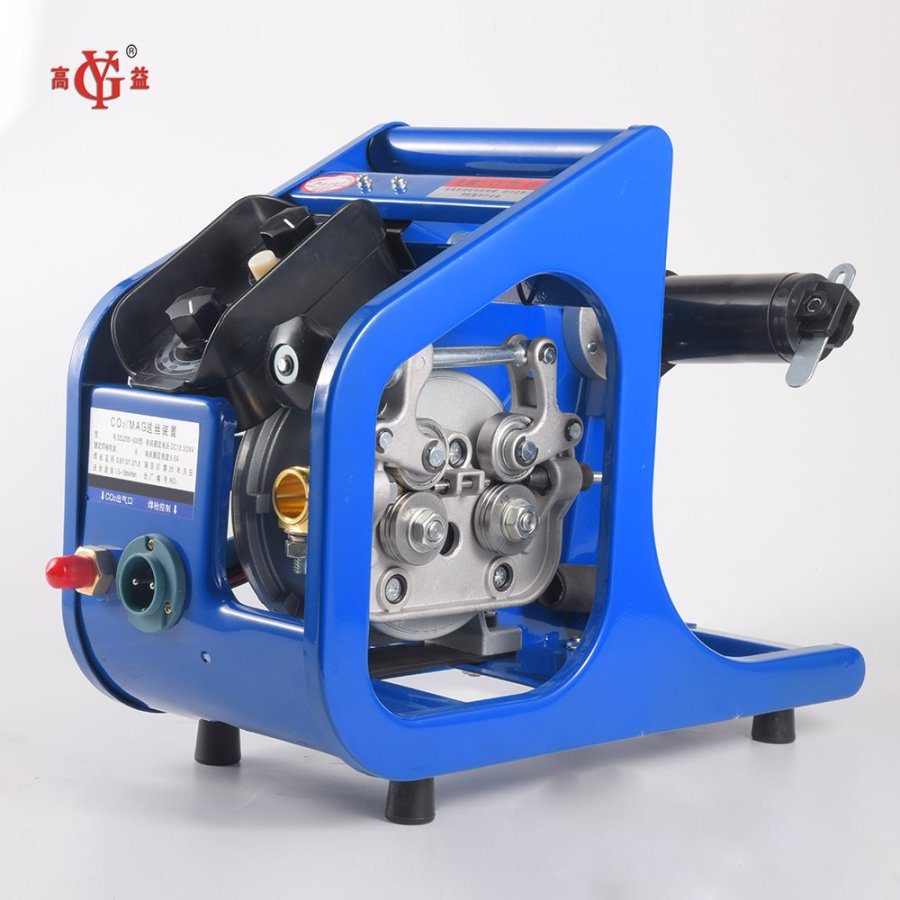
Advanced wire feed mechanisms, such as push-pull systems, ensure consistent wire feeding regardless of the welding position or angle. This technology minimizes the risk of wire tangling and eliminates feeding issues that can interrupt your workflow. Look for models that offer dual drive rolls for better grip and reduced wear on the wire.
Durability and Reliability Factors
A high-performance wire feeder must withstand the rigors of frequent use. Look for models constructed from high-quality materials that resist wear and tear. Additionally, features like thermal overload protection and sealed electronics can enhance the durability of your feeder, ensuring it remains reliable over time.
Benefits of Upgrading to a High-Performance Wire Feeder
Upgrading to a high-performance wire feeder can yield numerous benefits, including:
1. **Enhanced Weld Quality**: Improved precision and control lead to cleaner, stronger welds.
2. **Increased Efficiency**: Faster wire feeding speeds reduce downtime and enhance productivity.
3. **Reduced Waste**: Better control minimizes spatter and excess material, saving costs.
4. **Versatility**: High-performance feeders accommodate various wire types and materials, making them ideal for diverse applications.
5. **User-Friendly Features**: Many modern feeders come equipped with digital displays and intuitive controls that simplify adjustments.
Top High-Performance Wire Feeders on the Market
When seeking the best high-performance wire feeders, consider these top options that have garnered positive reviews from professionals:
1. **Miller Electric Auto-Set™ Series**: Known for its intuitive settings and robust construction, this series is perfect for both beginners and experienced welders.
2. **Lincoln Electric POWER MIG® Series**: Offers advanced features and versatility, making it suitable for a variety of welding tasks.
3. **ESAB Rebel™ Series**: Combines portability with high performance, ideal for professionals on the go.
4. **Hobart Handler® Series**: Affordable yet efficient, these feeders are great for hobbyists and light industrial use.
5. **Fronius TransTIG 220**: Known for its precision and reliability, this is an excellent choice for those seeking high-quality welds.
Maintenance Tips for Wire Feeders
To ensure the longevity and reliable performance of your wire feeder, follow these maintenance tips:
1. **Regular Cleaning**: Keep the feeder clean of dust, dirt, and spatter to prevent clogs.
2. **Check Wire Condition**: Inspect the wire regularly for kinks or corrosion that could affect feeding.
3. **Calibrate Settings**: Periodically check and calibrate the wire feed speed settings for optimum performance.
4. **Inspect Drive Rolls**: Examine drive rolls for wear and replace them as necessary to maintain consistent feeding.
5. **Store Properly**: When not in use, store the wire feeder in a dry location to avoid damage from moisture.
Troubleshooting Common Issues with Wire Feeders
Even the best wire feeders may encounter issues. Here are common problems and their solutions:
1. **Wire Jamming**: If the wire jams, check for sharp bends or obstructions in the feed path. Ensure that the drive rolls are set correctly for the wire diameter.
2. **Inconsistent Wire Feed**: This might be caused by worn drive rolls or a misalignment in the feed mechanism. Inspect and adjust as necessary.
3. **Poor Arc Stability**: Check the settings for wire feed speed and voltage. Inconsistent settings can lead to a weak arc.
4. **Excessive Spatter**: This can result from incorrect feed speed or voltage. Adjust these settings to minimize spatter on the workpiece.
Frequently Asked Questions
1. What is the difference between a standard and a high-performance wire feeder?
A high-performance wire feeder offers superior speed control, advanced feeding mechanisms, and greater durability compared to standard models. They are designed for professional applications where precision and efficiency are critical.
2. Can I use different types of wire with a high-performance feeder?
Yes, many high-performance feeders are versatile and can accommodate various wire types and sizes, making them suitable for diverse welding tasks.
3. How often should I perform maintenance on my wire feeder?
Regular maintenance should be performed at least once a month, or more frequently if you use your wire feeder heavily. Daily visual inspections can help catch minor issues before they become major problems.
4. What materials can I weld using MIG welding with a high-performance wire feeder?
You can weld a variety of materials, including mild steel, stainless steel, and aluminum, depending on the type of filler wire used.
5. Is it worth investing in a high-performance wire feeder for home projects?
If you plan on doing a lot of welding or require high-quality results, investing in a high-performance wire feeder can improve your results and make the process easier and more enjoyable.
Conclusion
Upgrading to a high-performance wire feeder is a game-changer for MIG welding enthusiasts and professionals alike. With enhanced features, improved weld quality, and increased efficiency, these tools can significantly impact your welding projects. By understanding the key features, benefits, and options available, you can make an informed decision that elevates your MIG welding experience. Embrace the transformation and take your welding skills to the next level with the right wire feeder!
TAG:
Related Posts

Understanding Non-Inductive Welding Cables for Stable Arc Performance
When it comes to welding applications, the choice of cables is crucial for achieving optimal performance and efficiency. Non-inductive welding cables are engineered specifically to provide stable arc characteristics, which are vital in ensuring high-quality welds. Unlike traditional inductive cables, non-inductive options minimize the inductive reactance that can lead to fluctuations in arc stabil