
Spot Welding Electrode Arm Innovations Transforming the Electrical Industry
May 02,2026
Spot Welding Electrode Arm Innovations Transforming the Electrical Industry
In the ever-evolving landscape of the electrical and welding industries, spot welding electrode arms are at the forefront of significant technological advancements. These innovations are not merely enhancements; they are game-changers that redefine efficiency, precision, and safety standards in manufacturing processes. This article delves into the latest innovations in spot welding electrode arms, exploring their implications for the industry and the transformative benefits they bring.
Table of Contents
- What is Spot Welding?
- The Importance of Spot Welding Electrode Arms
- Recent Innovations in Spot Welding Electrode Arms
- Advanced Materials for Enhanced Performance
- Ergonomic Designs and User Friendliness
- Precision and Automation in Spot Welding
- Challenges in the Spot Welding Industry
- Future Trends in Spot Welding Technology
- FAQs About Spot Welding Electrode Arms
- Conclusion
What is Spot Welding?
Spot welding is a widely used industrial process that involves joining two or more metal sheets by applying heat and pressure to specific points. The process is characterized by its speed and efficiency, making it ideal for high-volume production lines in manufacturing sectors, including automotive and electronics. Spot welding utilizes electricity to generate heat at the contact points of the metal sheets, resulting in a solid bond without the need for additional materials.
The Importance of Spot Welding Electrode Arms
Spot welding electrode arms play a crucial role in the overall effectiveness of the welding process. These arms are responsible for positioning the electrodes accurately and applying the necessary pressure during welding. The design and functionality of electrode arms significantly impact the quality and consistency of welds, making their innovation essential for enhancing productivity and minimizing defects.
Recent Innovations in Spot Welding Electrode Arms
The recent advancements in spot welding electrode arms focus on improving several key areas: efficiency, safety, and adaptability. These innovations are designed to meet the growing demands of modern manufacturing while addressing the challenges faced by operators and companies alike.
1. Smart Technology Integration
One of the most significant trends in electrode arm development is the integration of smart technology. Equipped with sensors and IoT capabilities, modern electrode arms can monitor and adjust parameters in real-time. This technology allows for enhanced process control and quality assurance, reducing the likelihood of errors during production.
2. Modular Designs
Another innovation is the move towards modular designs that allow for easy customization and upgrading. These modular electrode arms can be tailored to specific welding tasks, enabling manufacturers to adapt their equipment to various production needs without extensive downtime.
Advanced Materials for Enhanced Performance
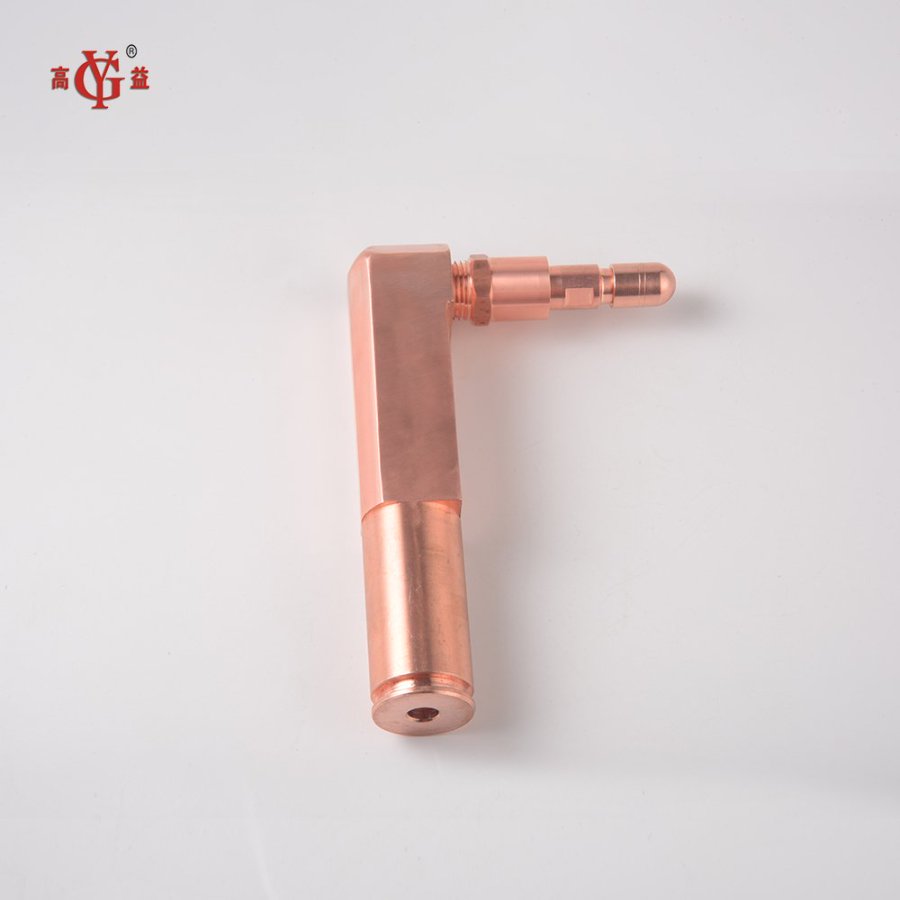
The materials used in the construction of spot welding electrode arms have also evolved significantly. Traditional materials are being replaced or enhanced with advanced composites and alloys that offer superior durability, heat resistance, and conductivity.
1. High-Conductivity Copper Alloys
New high-conductivity copper alloys are being employed to improve the efficiency of welds. These materials provide better heat dissipation, which is crucial in maintaining the integrity of the welding process and extending the lifespan of the electrode arms.
2. Durable Coatings
Advanced coatings are being applied to electrode arms to increase their resistance to wear and corrosion. These coatings not only enhance the durability of the equipment but also reduce maintenance requirements, allowing for a more efficient operation.
Ergonomic Designs and User Friendliness
With operator safety and comfort becoming a priority, ergonomic designs are gaining importance in the development of spot welding electrode arms. These designs focus on minimizing physical strain and enhancing the overall user experience.
1. Adjustable Height Features
Many new electrode arms are equipped with adjustable height features, allowing operators to customize their working height. This flexibility reduces fatigue and promotes better posture during operation, ultimately leading to increased productivity.
2. Intuitive Controls
Innovations in control interfaces have made operating spot welding equipment more intuitive. User-friendly interfaces with touch screens and simplified controls enable operators to quickly adjust settings, enhancing productivity and reducing the learning curve for new users.
Precision and Automation in Spot Welding
The drive for precision in spot welding has led to a rise in automation. Automation technologies, such as robotics, are being integrated with spot welding systems to improve accuracy and efficiency.
1. Robotic Spot Welding Arms
Robotic arms equipped with advanced programming capabilities can perform spot welding tasks with unparalleled precision. These robots can execute complex welding patterns that would be challenging for human operators, significantly increasing productivity in manufacturing settings.
2. Automated Quality Control Systems
Automation also extends to quality control processes. Advanced systems can inspect welds in real-time, identifying defects before products leave the production line. This integration ensures higher quality standards and reduces waste associated with rework.
Challenges in the Spot Welding Industry
Despite the advancements in technology and materials, the spot welding industry faces several challenges that need to be addressed for further growth.
1. Skill Shortages
As the industry evolves, there is a growing need for skilled operators who can effectively manage advanced welding technologies. The shortage of trained professionals can hinder the adoption of innovative solutions.
2. High Initial Costs
The investment required for cutting-edge spot welding technology can be substantial. Companies may hesitate to adopt these innovations due to the high initial costs associated with upgrading equipment and training personnel.
Future Trends in Spot Welding Technology
Looking ahead, several key trends are anticipated to shape the future of spot welding technology:
1. Greater Sustainability Efforts
As industries focus on sustainability, spot welding technologies will likely evolve toward more eco-friendly materials and processes. Innovations that reduce energy consumption and waste will become increasingly important.
2. Enhanced Collaboration Between Humans and Machines
The future of spot welding will likely see improved collaboration between human operators and machines. Technologies such as augmented reality (AR) could assist operators in training and enhancing their precision during welding tasks.
FAQs About Spot Welding Electrode Arms
1. What materials are most commonly used in spot welding electrode arms?
Spot welding electrode arms are typically made from high-conductivity copper alloys, often enhanced with durable coatings to resist wear and corrosion.
2. How do advanced technologies improve spot welding?
Advanced technologies, such as smart sensors and automation, improve spot welding by enhancing process control, increasing precision, and reducing defects in welds.
3. What safety features are integrated into modern spot welding electrode arms?
Modern spot welding electrode arms often include ergonomic designs, intuitive controls, and safety mechanisms that minimize operator fatigue and promote safe operation.
4. Can robotic arms be programmed for various welding tasks?
Yes, robotic arms can be programmed for a wide range of welding tasks, allowing for flexibility and precision in manufacturing operations.
5. What is the future of spot welding technology?
The future of spot welding technology includes a focus on sustainability, increased automation, and enhanced collaboration between humans and machines.
Conclusion
Innovations in spot welding electrode arms are not only changing the way manufacturers approach welding processes but are also setting new standards for efficiency, safety, and precision. As we embrace advanced technologies and materials, the electrical and welding industries are poised for a transformation that will enhance productivity and quality. By continuously adapting to these innovations, manufacturers can stay competitive in a rapidly evolving market and meet the demands of the modern world.
TAG:
Related Posts

Understanding Non-Inductive Welding Cables for Stable Arc Performance