
Efficient Techniques for Plasma Cutting Thin Metal Sheets
Apr 20,2026
Efficient Techniques for Plasma Cutting Thin Metal Sheets
Plasma cutting is a versatile and efficient process widely used in metal fabrication. It excels particularly when cutting thin metal sheets, offering speed, precision, and clean edges. In this guide, we will delve into **efficient techniques for plasma cutting thin metal sheets**, ensuring you maximize productivity while achieving the highe

Efficient Techniques for Plasma Cutting Thin Metal Sheets
Plasma cutting is a versatile and efficient process widely used in metal fabrication. It excels particularly when cutting thin metal sheets, offering speed, precision, and clean edges. In this guide, we will delve into **efficient techniques for plasma cutting thin metal sheets**, ensuring you maximize productivity while achieving the highest quality cuts.
Understanding Plasma Cutting Technology
To effectively apply plasma cutting techniques, it is essential to understand the underlying technology. Plasma cutting utilizes a high-velocity jet of ionized gas (plasma) to melt and expel material from the workpiece. The heat generated by the plasma arc achieves rapid cutting speeds, making it ideal for thin sheets of metal.
How Plasma Cutting Works
The process begins with an electrical arc established between an electrode and the workpiece. As the gas flows through the nozzle, it is superheated and ionized, forming plasma. The intense heat and speed of the plasma allow it to cut through materials with minimal force, ensuring less distortion and a more controlled cut.
Common Applications of Plasma Cutting
Plasma cutting is predominantly used in various applications, including:
- **Automotive repair**: Quick cuts for car body panels.
- **Metal art**: Intricate designs and sculptures.
- **Manufacturing**: Precision cuts for components in machinery.
- **Construction**: Fabrication of metal structures and frames.
Choosing the Right Plasma Cutting Equipment
Selecting the appropriate plasma cutting equipment is vital for achieving optimal results. Several factors influence this decision, including the thickness of the material, the type of metal, and the specific application.
Key Features to Consider
1. **Cutting Capacity**: Ensure the plasma cutter can handle the thickness of the materials you frequently work with. Look for models with adjustable output settings for flexibility.
2. **Power Supply**: Plasma cutters can be powered by various sources, including air, nitrogen, or oxygen. Choose a power supply that matches your material and cutting needs.
3. **Torch Configuration**: The design of the torch affects maneuverability and control. Opt for a torch that suits your cutting style and provides comfort during use.
4. **Portability**: If you need to move your equipment frequently, consider lighter, portable units without sacrificing performance.
Preparation for Plasma Cutting
Proper preparation is crucial for successful plasma cutting. Follow these essential steps:
1. Material Selection and Inspection
Select the appropriate type of metal sheet based on your project requirements. Inspect the sheets for any flaws, such as rust, paint, or oil, which could affect the cutting process.
2. Setting Up the Work Environment
A clean, organized workspace helps ensure safety and efficiency. Clear away any flammable materials, and ensure adequate ventilation to disperse fumes generated during cutting.
3. Properly Aligning the Workpiece
Secure the metal sheet on a stable work surface. Use clamps or magnets to hold the workpiece in place, preventing movement during cutting.
Efficient Cutting Techniques for Thin Metal Sheets
Now that you have the right equipment and preparation, let’s discuss effective techniques to enhance your plasma cutting process for thin sheets.
1. Adjusting Cutting Speed and Amperage
In plasma cutting, adjusting the cutting speed and amperage is crucial for achieving clean edges. Higher speeds reduce heat input, minimizing warping while lower speeds provide more control for intricate cuts. Experiment with settings to find the optimal balance for your specific material.
2. Optimizing Torch Height
Maintaining the correct torch height is vital for a clean cut. Too close to the workpiece can cause excessive heat and melt-through, while too far can lead to poor quality cuts. Utilize cutting guides or automated height control mechanisms to achieve consistency.
3. Utilizing Proper Cutting Techniques
When cutting, employ techniques such as:
- **Drag Cutting**: Good for straight cuts on thin sheets, where the torch is dragged along the edge.
- **Piercing**: For starting cuts, ensure the torch is held directly above the material until a hole is formed, then move it along the intended path.
4. Pre-heating and Post-heating Techniques
For thicker areas or complex cuts, consider pre-heating the metal to reduce the initial resistance during cutting. Post-heating can also help to relieve any stress in the metal after cutting, preventing warping.
5. Edge Finishing Techniques
After cutting, the edges of the metal may require finishing to eliminate slag or rough spots. Techniques can include grinding, sanding, or using a dedicated edge finishing tool.
Reducing Waste During Plasma Cutting
Minimizing waste not only improves efficiency but also saves costs. Implement the following strategies:
1. Effective Nesting
Plan the cutting layout to maximize material usage. Nesting software can assist in arranging the cuts to minimize scrap.
2. Recycling Scrap Metal
Collect and recycle any leftover scraps from the cutting process. This not only reduces waste but can also provide additional revenue.
3. Regular Maintenance of Equipment
Keeping your plasma cutter well-maintained ensures optimal performance. Regularly check for worn consumables, clean filters, and inspect the torch for damage.
Safety Considerations in Plasma Cutting
Safety should always be a priority in any cutting operation. Follow these guidelines to ensure a safe working environment:
1. Personal Protective Equipment (PPE)
Wear appropriate PPE, including welding helmets, gloves, long sleeves, and protective footwear, to shield yourself from sparks and UV radiation.
2. Fire Safety Measures
Keep a fire extinguisher nearby and ensure the work area is free of flammable materials. Be aware of your surroundings and have an emergency plan in place.
3. Proper Ventilation
Ensure that your workspace is well-ventilated to avoid the buildup of harmful fumes generated during the cutting process.
Frequently Asked Questions (FAQs)
1. What types of metals can be cut using plasma cutting?
Plasma cutting can effectively cut through various metals, including mild steel, stainless steel, aluminum, and copper.
2. How thick of metal can plasma cutting handle?
Plasma cutting can handle thicknesses ranging from very thin sheets (less than 1mm) to several inches, depending on the machine capacity.
3. What is the difference between plasma cutting and other cutting methods?
Plasma cutting is faster and can handle thicker materials compared to oxy-fuel cutting, while also producing cleaner edges than mechanical cutting methods.
4. Can plasma cutting be automated?
Yes, plasma cutting can be automated using CNC (Computer Numerical Control) machines, enhancing precision and productivity.
5. How do I maintain my plasma cutting machine?
Regular maintenance involves cleaning the machine, replacing worn consumables, and checking electrical connections and gas supply for leaks.
Conclusion
Utilizing **efficient techniques for plasma cutting thin metal sheets** can significantly enhance your metal fabrication endeavors. By understanding the technology, selecting the right equipment, and implementing best practices, you can achieve high-quality cuts with minimal waste. Remember to prioritize safety and maintenance to maximize the longevity and performance of your plasma cutting equipment. Embracing these methods will not only improve your productivity but also ensure your projects meet the highest standards of excellence.
TAG:
Related Posts
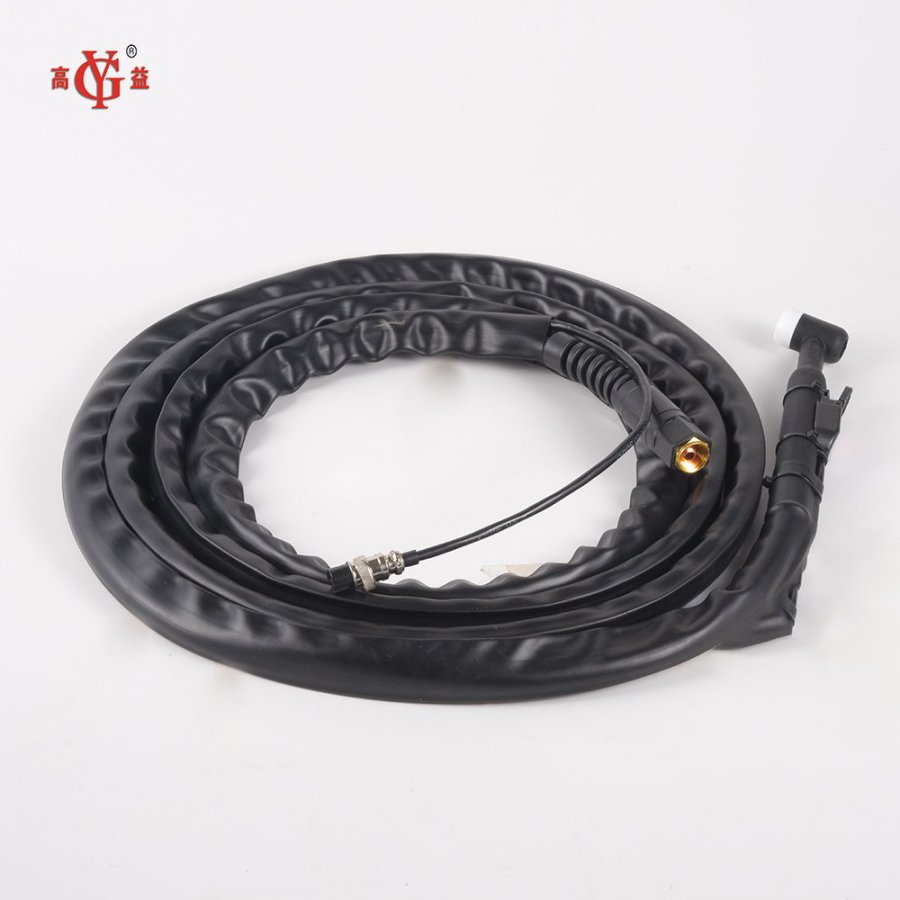
The Art of TIG Welding: Mastering Your Torch for Perfect Results
The Art of TIG Welding: Mastering Your Torch for Perfect Results
TIG (Tungsten Inert Gas) welding is a sophisticated process that requires a deep understanding of technique, equipment, and material behavior. In this extensive guide, we will explore the nuances of mastering your TIG torch, focusing on achieving perfect results in your welding projects.
Table of Contents
1. Introduction to TIG Weldi