
Mastering the TIG Welding Torch: Essential Insights for Professionals
Apr 19,2026
The TIG welding torch, or tungsten inert gas welding torch, is an invaluable tool in the welding industry, particularly for those who focus on precision and quality. It employs a non-consumable tungsten electrode to produce an arc, allowing for exceptional control over the welding process. This makes it ideal for thin materials and intricate designs, where a clean and strong weld is paramount.
One
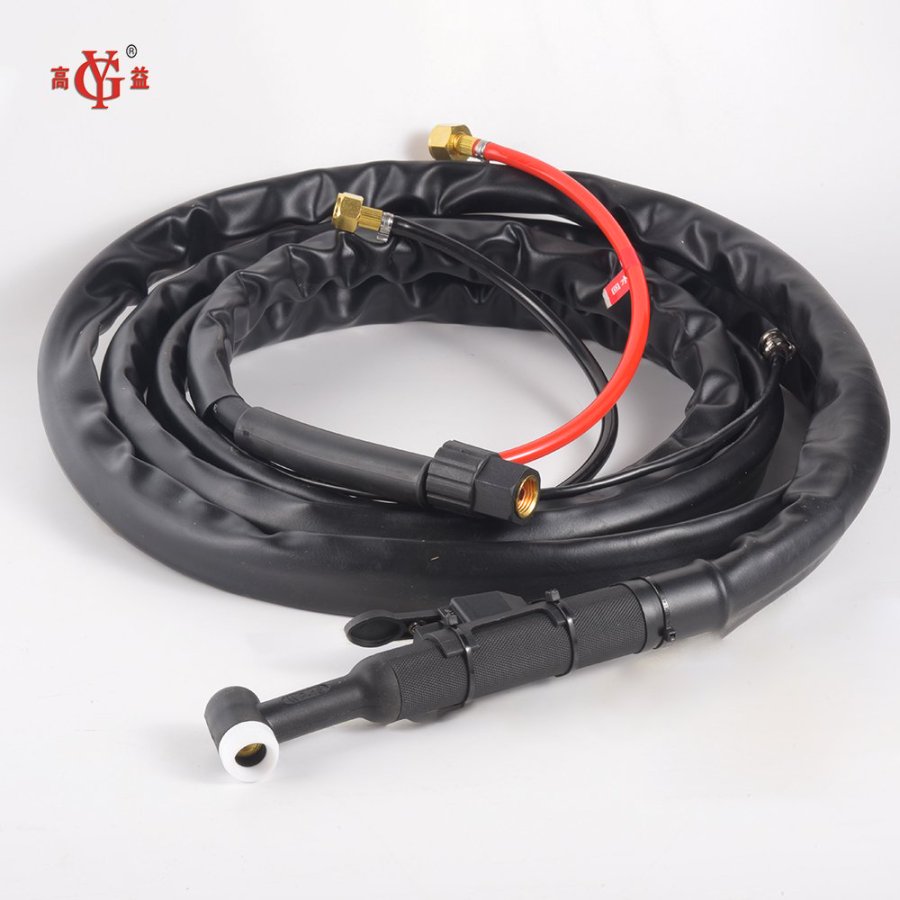
The TIG welding torch, or tungsten inert gas welding torch, is an invaluable tool in the welding industry, particularly for those who focus on precision and quality. It employs a non-consumable tungsten electrode to produce an arc, allowing for exceptional control over the welding process. This makes it ideal for thin materials and intricate designs, where a clean and strong weld is paramount.
One of the key components of a TIG welding torch is the gas selection. Typically, argon is used as the shielding gas, which protects the weld pool from contamination by atmospheric gases. Depending on the material being welded, a mixture of argon and helium may be employed to enhance heat input. The choice of gas can significantly influence the quality of the weld, as it affects thermal conductivity and arc stability.
Understanding the torch's components is essential for effective use. The torch body houses the electrode and is connected to the gas supply. The collet and collet body secure the tungsten electrode, while the nozzle provides a controlled gas flow towards the weld area. Selecting the right nozzle size is critical, as it determines the shielding gas coverage and influences the weld's aesthetic and structural integrity.
When working with a TIG welding torch, it's important to maintain a consistent arc length. A shorter arc can lead to a concentrated heat input, which is beneficial for thin materials, whereas a longer arc may be more suitable for thicker sections, providing better penetration. Mastering arc length control can significantly enhance the quality of your welds.
Moreover, proper technique is vital. The welder should ideally use a steady hand and maintain a smooth motion to create even, high-quality weld beads. The angle of the torch also plays a crucial role; a slight tilt can assist in controlling the heat and gas flow, further improving the weld's quality.
For those looking to improve their skills with a TIG welding torch, practice is essential. Experimenting with different materials, settings, and techniques will not only build confidence but also enhance overall proficiency. Regular maintenance of the torch is equally important; ensuring that the electrode is sharpened correctly and that the gas supply is free from leaks will contribute to optimal performance.
In conclusion, the TIG welding torch is a sophisticated tool that requires knowledge and skill to operate effectively. By understanding its components, mastering the techniques, and maintaining the equipment, professionals can produce high-quality welds that meet industry standards. Whether you’re a seasoned welder or just starting, investing time in mastering the TIG welding torch can greatly enhance your capabilities and results.
One of the key components of a TIG welding torch is the gas selection. Typically, argon is used as the shielding gas, which protects the weld pool from contamination by atmospheric gases. Depending on the material being welded, a mixture of argon and helium may be employed to enhance heat input. The choice of gas can significantly influence the quality of the weld, as it affects thermal conductivity and arc stability.
Understanding the torch's components is essential for effective use. The torch body houses the electrode and is connected to the gas supply. The collet and collet body secure the tungsten electrode, while the nozzle provides a controlled gas flow towards the weld area. Selecting the right nozzle size is critical, as it determines the shielding gas coverage and influences the weld's aesthetic and structural integrity.
When working with a TIG welding torch, it's important to maintain a consistent arc length. A shorter arc can lead to a concentrated heat input, which is beneficial for thin materials, whereas a longer arc may be more suitable for thicker sections, providing better penetration. Mastering arc length control can significantly enhance the quality of your welds.
Moreover, proper technique is vital. The welder should ideally use a steady hand and maintain a smooth motion to create even, high-quality weld beads. The angle of the torch also plays a crucial role; a slight tilt can assist in controlling the heat and gas flow, further improving the weld's quality.
For those looking to improve their skills with a TIG welding torch, practice is essential. Experimenting with different materials, settings, and techniques will not only build confidence but also enhance overall proficiency. Regular maintenance of the torch is equally important; ensuring that the electrode is sharpened correctly and that the gas supply is free from leaks will contribute to optimal performance.
In conclusion, the TIG welding torch is a sophisticated tool that requires knowledge and skill to operate effectively. By understanding its components, mastering the techniques, and maintaining the equipment, professionals can produce high-quality welds that meet industry standards. Whether you’re a seasoned welder or just starting, investing time in mastering the TIG welding torch can greatly enhance your capabilities and results.
TAG:
Related Posts
Mastering the TIG Welding Torch: Essential Insights for Professionals
The TIG welding torch, or tungsten inert gas welding torch, is an invaluable tool in the welding industry, particularly for those who focus on precision and quality. It employs a non-consumable tungsten electrode to produce an arc, allowing for exceptional control over the welding process. This makes it ideal for thin materials and intricate designs, where a clean and strong weld is paramount.
One