
Understanding the Components of a MIG Welding Torch: A Comprehensive Guide
Apr 18,2026
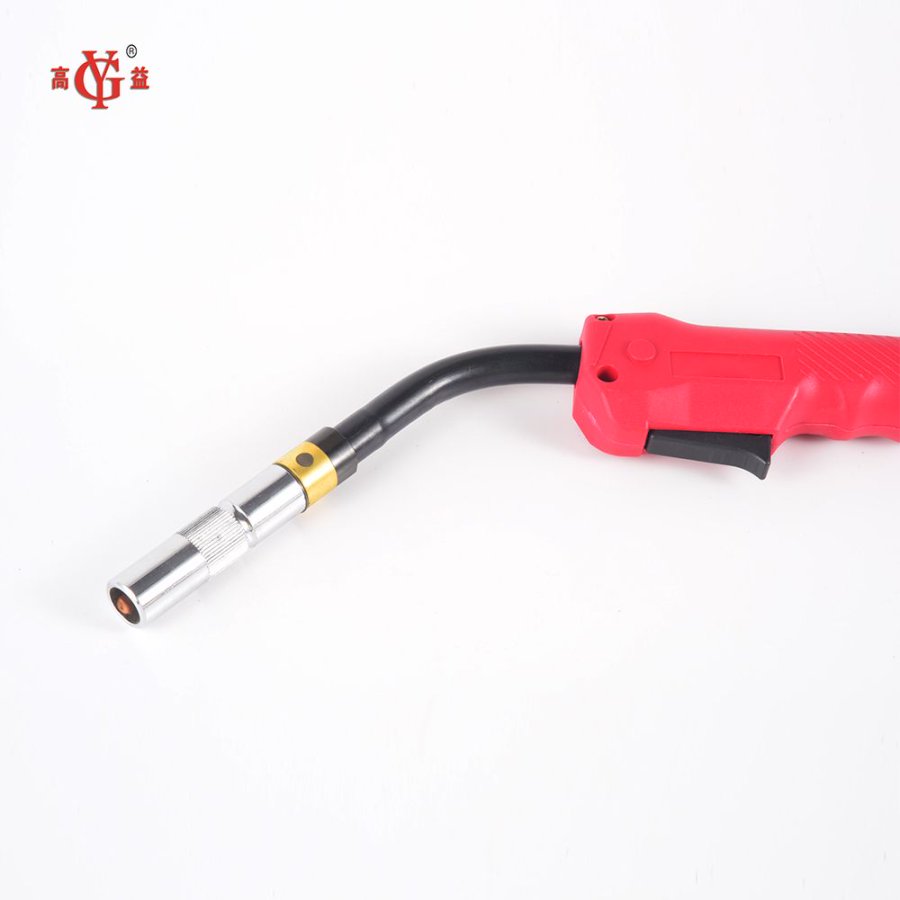
Understanding the Components of a MIG Welding Torch
In the realm of welding, the MIG (Metal Inert Gas) welding torch stands as a pivotal tool, instrumental in providing precision and efficiency when joining metals. This guide will meticulously explore each component of a MIG welding torch, unveiling the intricacies that make it a vital asset in welding processes.
Table of Contents
1. Introduc
Understanding the Components of a MIG Welding Torch
In the realm of welding, the MIG (Metal Inert Gas) welding torch stands as a pivotal tool, instrumental in providing precision and efficiency when joining metals. This guide will meticulously explore each component of a MIG welding torch, unveiling the intricacies that make it a vital asset in welding processes.
Table of Contents
1. Introduction to MIG Welding
2. Overview of MIG Welding Torch Components
3. Detailed Breakdown of MIG Welding Torch Parts
3.1. Torch Handle
3.2. Contact Tip
3.3. Nozzle
3.4. Gas Diffuser
3.5. Electrode Wire
3.6. Power Cable
3.7. Trigger Mechanism
3.8. Insulation
4. Importance of Each Component
5. Common Issues and Maintenance Tips
6. Conclusion
7. Frequently Asked Questions (FAQs)
1. Introduction to MIG Welding
MIG welding, also known as Gas Metal Arc Welding (GMAW), is a widely utilized welding process that involves the continuous feeding of a filler metal electrode through a welding gun. In a MIG welding setup, an inert gas, such as argon or carbon dioxide, protects the weld pool from atmospheric contamination. The simplicity and versatility of MIG welding make it a popular choice among both amateurs and seasoned professionals. Understanding the MIG welding torch and its components is crucial for achieving high-quality welds.
2. Overview of MIG Welding Torch Components
A MIG welding torch comprises several critical components, each serving a specific purpose in the welding process. The torch's design is meticulously engineered to facilitate smooth operations and effective welding, ensuring the welder can achieve precise and high-quality results.
3. Detailed Breakdown of MIG Welding Torch Parts
Let's delve into the various components that comprise a MIG welding torch, understanding their function and importance.
3.1. Torch Handle
The **torch handle** is the part of the MIG welding torch that the welder grips during operation. Constructed from materials that can withstand high temperatures, it ensures comfort and control. A well-designed handle allows for extended use without fatigue, giving the welder better maneuverability for intricate welding tasks.
3.2. Contact Tip
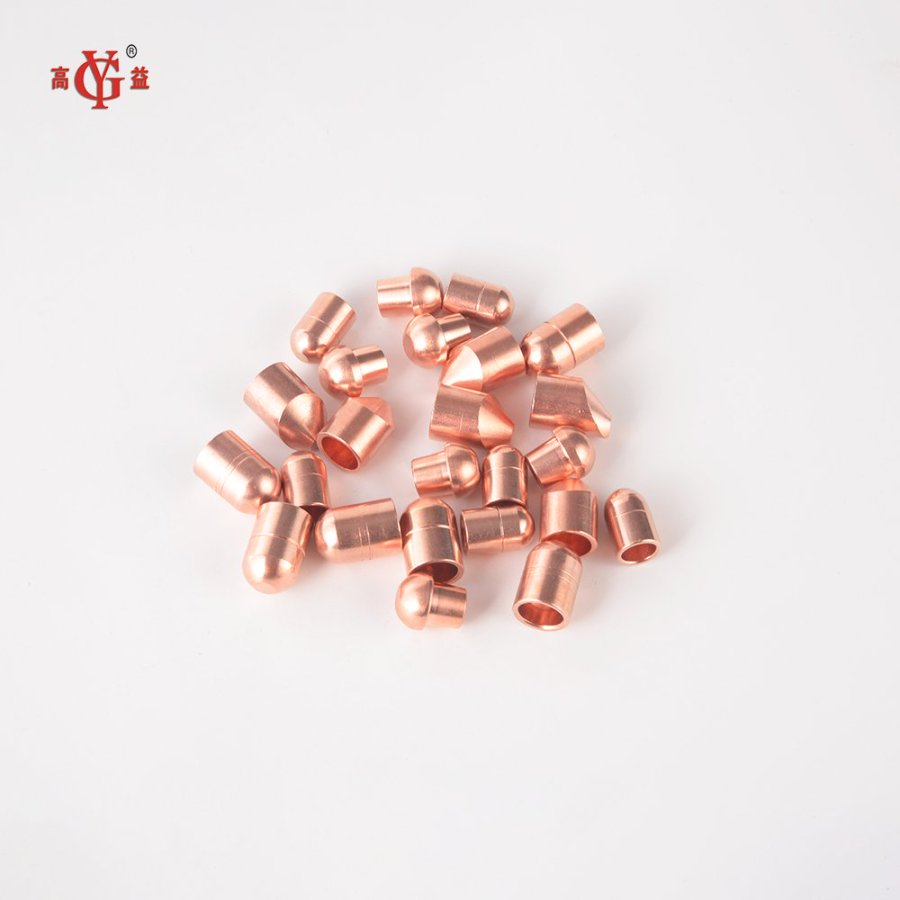
The **contact tip** plays a vital role in the arc welding process. It is where the electrical current passes through the filler wire, allowing it to melt and join the workpieces. Made typically from copper, the contact tip must be replaced regularly to maintain optimal welding performance, as it wears out due to high thermal and electrical loads.
3.3. Nozzle
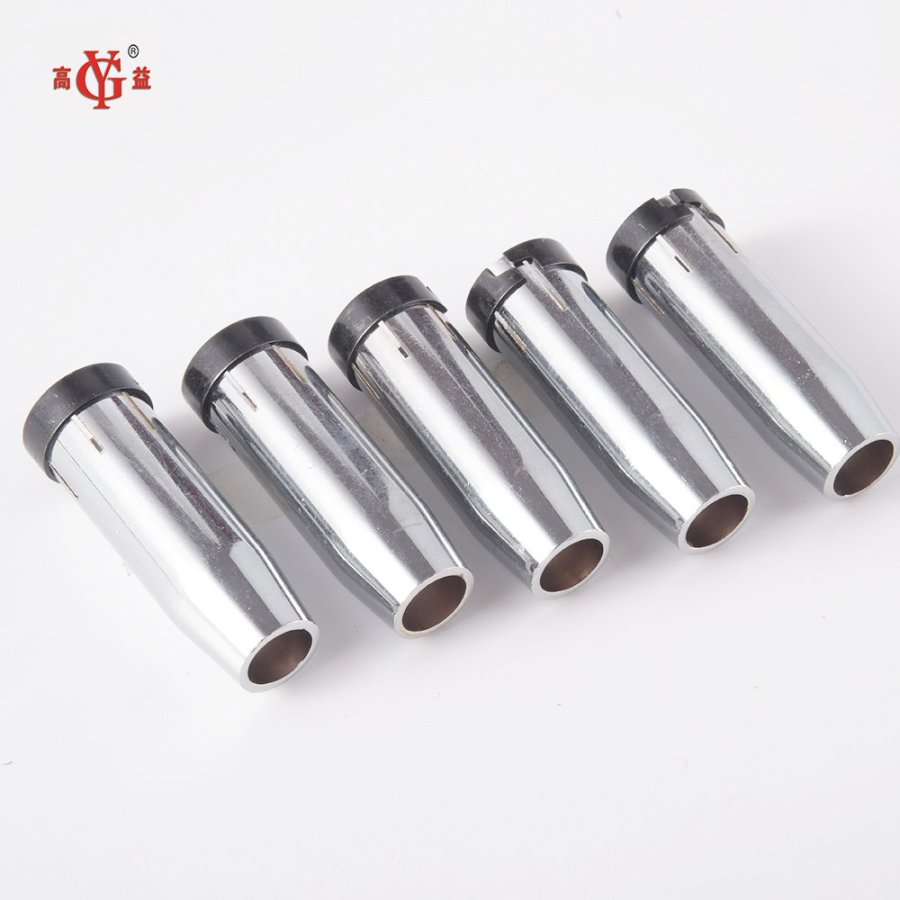
The **nozzle** serves as a protective cover for the contact tip and helps direct the flow of shielding gas. It is essential for preventing contamination of the weld pool and ensuring a stable arc. The nozzle comes in various shapes and sizes, catering to different welding applications and offering flexibility for the welder.
3.4. Gas Diffuser
The **gas diffuser** is located between the nozzle and the contact tip. Its purpose is to distribute the shielding gas evenly over the weld area, providing consistent protection against atmospheric elements. A proper gas diffuser ensures that the shielding gas effectively flows around the weld pool, preventing oxidation and enhancing the quality of the weld.
3.5. Electrode Wire
The **electrode wire** is the filler material that melts and fuses with the base metals. Its diameter and composition can vary based on the welding project and materials involved. Choosing the right electrode wire is crucial for achieving strong, durable welds, and it must match the type of metal being welded.
3.6. Power Cable
The **power cable** delivers the necessary electrical current to the welding torch. It is designed to handle high currents and provides a secure connection to the welding machine. The quality and condition of the power cable directly impact the efficiency and effectiveness of the welding process.
3.7. Trigger Mechanism
The **trigger mechanism** controls the flow of both the electrode wire and the shielding gas. By pulling the trigger, the welder can initiate the welding process and ensure that the right amount of material is fed into the weld pool. A responsive trigger mechanism contributes to smoother, more efficient welding operations.
3.8. Insulation
**Insulation** is critical for safety in MIG welding. It prevents electrical shocks and protects the welder from high temperatures during operation. High-quality insulation materials ensure a safe working environment, allowing welders to focus on their tasks without safety concerns.
4. Importance of Each Component
Each component of the MIG welding torch works in unison to create optimal welding conditions. Understanding the role of each part helps welders troubleshoot issues and maintain their equipment effectively. For instance, knowing when to replace the contact tip or clean the nozzle can significantly affect welding performance and the overall quality of the finished product.
5. Common Issues and Maintenance Tips
To ensure your MIG welding torch operates at peak performance, regular maintenance is essential. Here are some common issues welders encounter and tips for maintaining their torches:
- **Worn Contact Tips:** Regularly check and replace contact tips to prevent arc stability issues and poor-quality welds.
- **Clogged Nozzles:** Clean nozzles frequently to ensure proper shielding gas flow. Use a nozzle cleaning tool for best results.
- **Gas Leaks:** Inspect hoses and connections for leaks, as gas leaks can compromise the welding process.
- **Power Cable Damage:** Periodically check power cables for signs of wear or damage, as these can cause interruptions in the welding process.
Maintaining your MIG welding torch will prolong its lifespan and enhance the quality of your welding projects.
6. Conclusion
Understanding the components of a MIG welding torch is essential for any welder aiming to achieve high-quality results. Each part plays a distinct role in the welding process, and familiarity with these components enables welders to troubleshoot problems more effectively and maintain their equipment. By ensuring the MIG welding torch is well-maintained, welders can optimize their performance and produce durable, professional-quality welds.
7. Frequently Asked Questions (FAQs)
1. What is the best way to clean a MIG welding torch?
Regularly clean the nozzle and contact tip with a suitable cleaning tool. Ensure to remove any spatter or debris that can obstruct shielding gas flow.
2. How often should I replace the contact tip?
Contact tips should be replaced whenever they show signs of wear or after every few welding sessions, depending on frequency of use.
3. What shielding gas is best for MIG welding?
A combination of argon and carbon dioxide is commonly used for MIG welding. The right mixture depends on the base materials and the type of weld desired.
4. Can I use a MIG welding torch for TIG welding?
A MIG welding torch is not suitable for TIG welding, as they are designed for different processes and operate under different principles.
5. What should I do if my welding arc keeps extinguishing?
Check the contact tip for wear, ensure proper gas flow, and verify the electrode wire is being fed correctly. Issues with the power supply could also contribute to arc instability.
By following this guide and applying the tips provided, welders can enhance their understanding of MIG welding torches and improve their welding outcomes significantly.
TAG:
Related Posts
Welding Torch Nozzles: Essential Factors to Consider for Beginners
Welding Torch Nozzles: Essential Factors to Consider for Beginners
Table of Contents
Understanding Welding Torch Nozzles
Types of Welding Torch Nozzles
Material Choice for Welding Torch Nozzles
Size and Diameter Considerations
Nozzle Design and Shape
Common Mistakes to Avoid with Welding Torch Nozzles
Maintenance and Care of Welding Torch Nozzles
Conclusion
FAQs
Understanding W