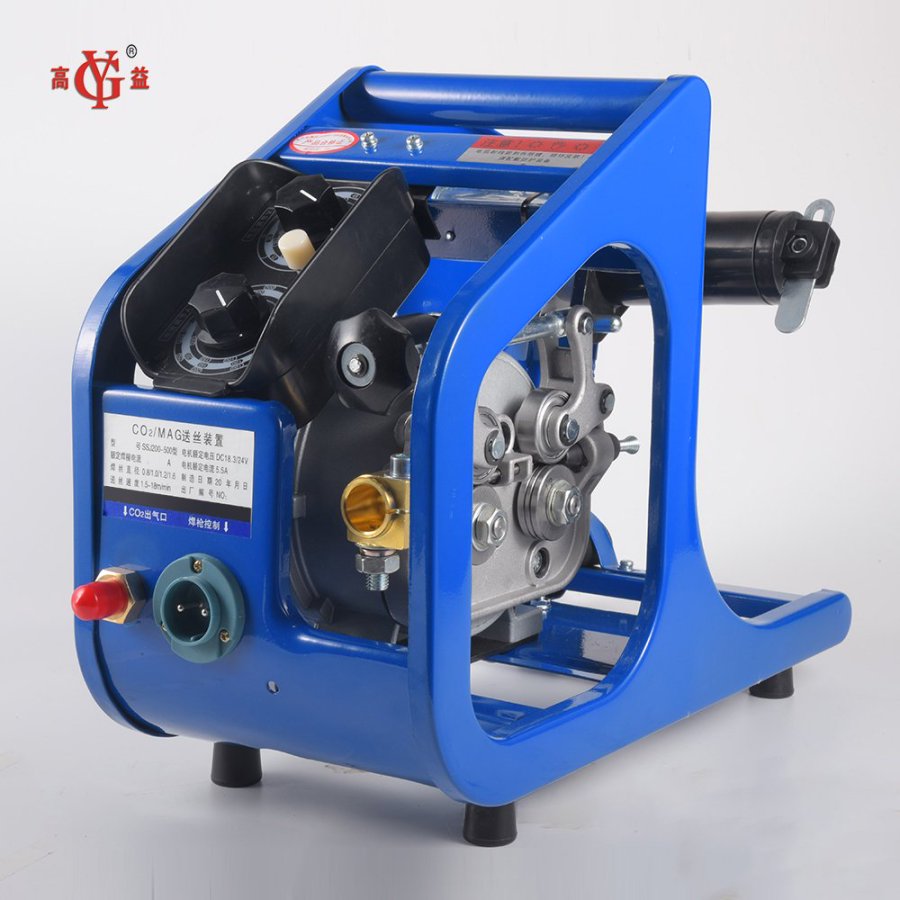

The Ultimate Guide to Welding Wire Feeders for MIG Applications
Apr 16,2026
The Ultimate Guide to Welding Wire Feeders for MIG Applications
Table of Contents
Understanding MIG Welding
What Are Welding Wire Feeders?
Types of Welding Wire Feeders
Key Features to Look for in a Wire Feeder
How to Choose the Right Wire Feeder for MIG Applications
Maintenance and Troubleshooting Tips
Common Misconceptions About Wire Feeders
Frequently Asked Ques
The Ultimate Guide to Welding Wire Feeders for MIG Applications
Table of Contents
- Understanding MIG Welding
- What Are Welding Wire Feeders?
- Types of Welding Wire Feeders
- Key Features to Look for in a Wire Feeder
- How to Choose the Right Wire Feeder for MIG Applications
- Maintenance and Troubleshooting Tips
- Common Misconceptions About Wire Feeders
- Frequently Asked Questions
Understanding MIG Welding
MIG (Metal Inert Gas) welding, also known as Gas Metal Arc Welding (GMAW), is a versatile and widely used welding process. It employs a continuous wire feed as an electrode, delivering a consistent and smooth weld bead. MIG welding is favored for its ease of use, speed, and adaptability to various materials, including stainless steel, aluminum, and mild steel.
In this section, we will explore the fundamental principles of MIG welding that make it a preferred choice in industrial applications. Additionally, understanding the essentials of MIG welding sets the stage for recognizing the importance of wire feeders in this process.
What Are Welding Wire Feeders?
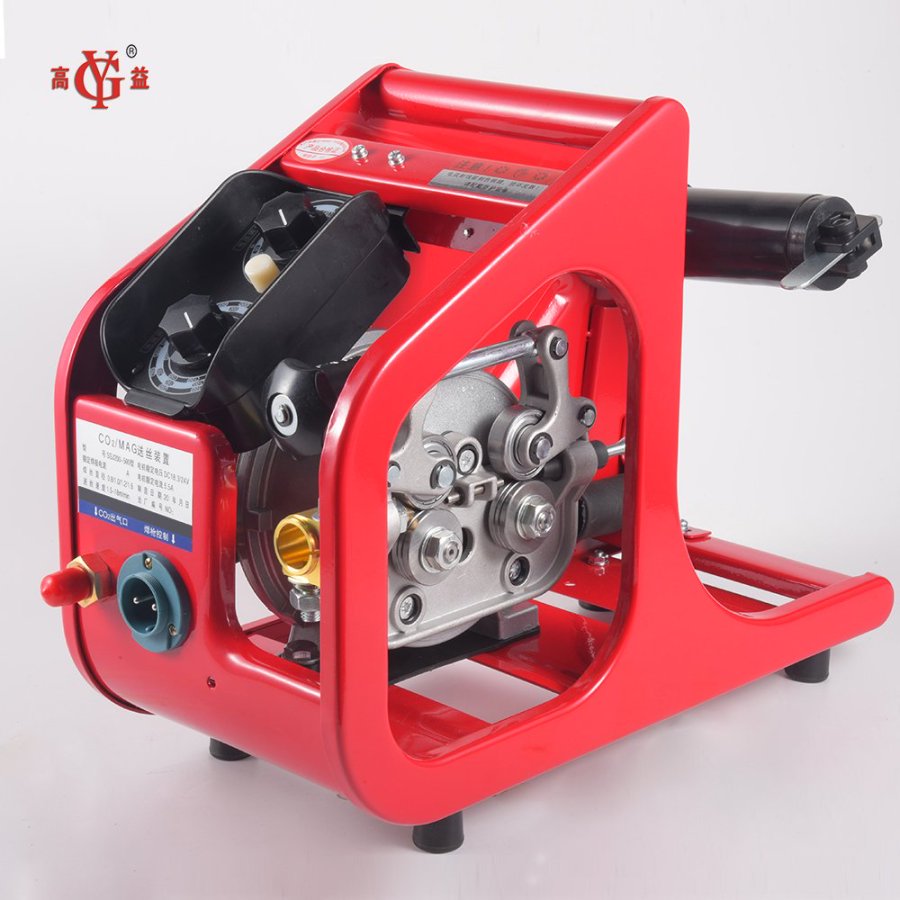
Welding wire feeders are specialized devices designed to deliver welding wire to the welding torch. They maintain a consistent feed rate, ensuring that the welder can produce high-quality welds without interruptions. In MIG welding, the wire feeder plays a crucial role in achieving precise control over the welding arc and bead shape.
Wire feeders come in various configurations, including push-type and spool gun feeders. Each type serves distinct purposes and offers unique advantages based on the welding application and material being worked on.
The Importance of Welding Wire Feeders
The effectiveness of MIG welding largely hinges on the performance of the wire feeder. A reliable wire feeder not only enhances welding efficiency but also minimizes defects such as porosity and inconsistent bead appearance. By understanding how wire feeders function, welders can make informed decisions about their equipment, ultimately leading to superior welding results.
Types of Welding Wire Feeders
Welding wire feeders come in several types, each designed for specific applications and materials. The primary categories include:
1. Constant Speed Feeders
Constant speed feeders provide a steady feed rate of the welding wire. They are ideal for most MIG welding applications and are typically used in situations where uniformity in weld quality is essential.
2. Variable Speed Feeders
Variable speed feeders allow welders to adjust the feed rate according to the requirements of the project. This flexibility is particularly useful when working with varying materials or joint configurations.
3. Push-Pull Feeders
Push-pull feeders combine two drive systems, one at the welding machine and another at the gun. This arrangement helps in feeding soft or aluminum wires, which may otherwise be prone to kinking or jamming.
4. Spool Gun Feeders
Spool gun feeders are designed to handle specific wire types, such as aluminum or other non-ferrous materials. They provide excellent control over the wire feed, making them suitable for intricate welds.
5. Dual Wire Feeders
For specialized applications, dual wire feeders allow the simultaneous feeding of two different types of welding wire. This feature is beneficial for multi-material welding projects or when specific alloy combinations are required.
Key Features to Look for in a Wire Feeder
Choosing the right welding wire feeder involves understanding various features that contribute to its performance. Here are some key aspects to consider:
1. Drive System
The drive system is critical for maintaining a consistent wire feed. Look for feeders with robust drive rolls and adjustable tension to accommodate different wire diameters.
2. Feed Rate Control
The ability to adjust the feed rate allows for better control over the welding process. Opt for feeders that offer both manual and automatic feed rate settings.
3. Compatibility
Ensure that the wire feeder is compatible with your welding machine and the type of wire you plan to use. Some feeders are designed specifically for certain brands or models.
4. Durability
Consider the build quality and materials used in the wire feeder. Industrial-grade feeders are designed to withstand harsh working environments and prolonged use.
5. Portability
For welders who work on multiple job sites, a lightweight and portable wire feeder is essential. Look for options with built-in handles and compact designs.
How to Choose the Right Wire Feeder for MIG Applications
Selecting the ideal welding wire feeder for MIG applications involves evaluating several factors:
1. Material Type
The material being welded significantly influences the choice of wire feeder. For instance, aluminum requires specific feeders designed to handle its unique properties.
2. Thickness of Material
Thicker materials may require feeders with higher power outputs and feed rates to ensure adequate penetration and bead formation.
3. Welding Position
Consider the welding position (flat, vertical, overhead) as it can affect the wire feed performance and the choice of feeder.
4. Budget
While it’s tempting to go for the cheapest option, investing in a quality wire feeder can yield better long-term results. Balance your budget with the features that matter most for your applications.
Maintenance and Troubleshooting Tips
Proper maintenance of your welding wire feeder is essential for optimal performance and longevity. Here are some effective tips:
1. Regular Cleaning
Keep the feeder clean from dust, debris, and spatter. Regularly inspect and clean the drive rolls, guide tubes, and other components.
2. Check Wire Condition
Inspect the welding wire for any signs of rust, moisture, or damage. Using high-quality, dry wire ensures consistent feeding and quality welds.
3. Lubrication
Lubricate moving parts as recommended by the manufacturer to prevent wear and tear and ensure smooth operation.
4. Monitor Settings
Regularly check the settings and adjustments on your wire feeder, especially if you change materials or welding processes.
5. Troubleshooting Common Issues
Be aware of common problems such as inconsistent feed, wire jams, or erratic arc stability. Addressing these issues early can prevent more significant problems down the line.
Common Misconceptions About Wire Feeders
Misunderstandings about wire feeders can lead to poor performance or inefficient use. Here are some common misconceptions clarified:
1. All Feeders Are the Same
Many believe that all wire feeders perform identically. In reality, differences in design, features, and compatibility can significantly impact welding quality.
2. Higher Price Equals Better Quality
While price often correlates with build quality, it’s essential to assess features and specifications rather than relying solely on cost.
3. Maintenance Is Not Necessary
Some welders assume that wire feeders do not require maintenance. Regular upkeep is crucial for reliability and performance.
Frequently Asked Questions
1. What is the best wire feeder for aluminum welding?
The best wire feeder for aluminum welding is typically a spool gun feeder or a push-pull feeder, as these systems provide precise control and prevent wire kinking.
2. How often should I perform maintenance on my wire feeder?
Maintenance should be performed regularly, with inspections and cleaning every few weeks or after significant use.
3. Can I use a MIG wire feeder for TIG welding?
MIG wire feeders are not suitable for TIG welding, as TIG requires a different feed system and process altogether.
4. What wire diameter should I use for my MIG application?
The wire diameter depends on the material thickness and type. Generally, .030 to .045 inches is common for most applications.
5. How do I troubleshoot inconsistent wire feeding?
Check for wire tangles, ensure proper tension on the drive rolls, and inspect the feed path for any obstructions.
Conclusion
Choosing the right welding wire feeder for MIG applications is crucial in achieving high-quality welds and efficient production. By understanding the different types of feeders, their key features, and how to properly maintain and troubleshoot them, welders can enhance their skills and outcomes. Investing time in selecting the appropriate wire feeder and adhering to proper maintenance practices will ensure a successful MIG welding experience, ultimately leading to superior results in various industrial applications.
TAG:
Related Posts
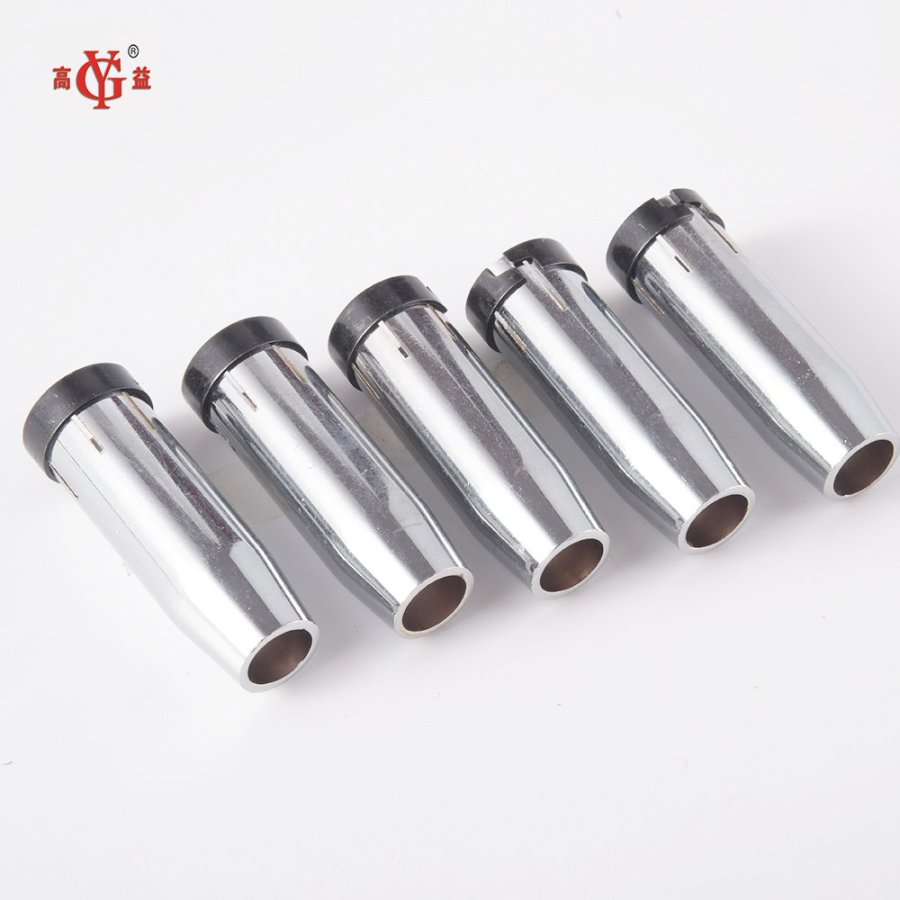
Welding Torch Nozzles: Essential Factors to Consider for Beginners
Welding Torch Nozzles: Essential Factors to Consider for Beginners
Table of Contents
Understanding Welding Torch Nozzles
Types of Welding Torch Nozzles
Material Choice for Welding Torch Nozzles
Size and Diameter Considerations
Nozzle Design and Shape
Common Mistakes to Avoid with Welding Torch Nozzles
Maintenance and Care of Welding Torch Nozzles
Conclusion
FAQs
Understanding W