
Understanding Non-Inductive Welding Cables for a Stable Arc
Apr 13,2026
When it comes to welding, achieving a stable arc is crucial for high-quality results. Non-inductive welding cables are designed specifically to facilitate this process, providing distinct advantages over traditional cables. Understanding the characteristics and functionality of these cables can significantly enhance your welding experience.
Non-inductive welding cables are engineered to minimize t

When it comes to welding, achieving a stable arc is crucial for high-quality results. Non-inductive welding cables are designed specifically to facilitate this process, providing distinct advantages over traditional cables. Understanding the characteristics and functionality of these cables can significantly enhance your welding experience.
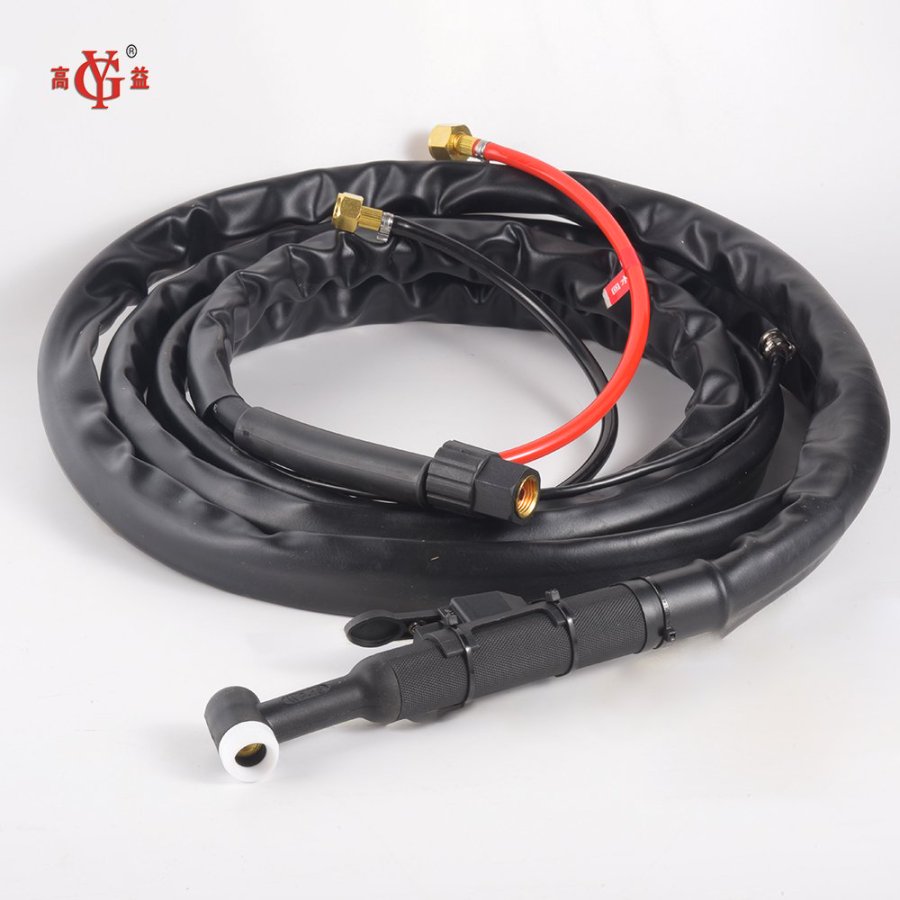
Non-inductive welding cables are engineered to minimize the inductive reactance that can lead to unstable arcs. Unlike conventional cables, which may exhibit significant inductance, non-inductive designs are structured to reduce electromagnetic interference. This reduction is essential for maintaining a consistent arc and ensuring that the welding process is smooth and efficient.
One of the primary factors in the effectiveness of non-inductive welding cables is their construction. These cables typically feature a unique design that employs multiple conductors arranged in a specific configuration. This arrangement helps to cancel out the inductive effects that can cause fluctuations in the electrical current. As a result, welders can achieve a stable arc with less effort, leading to improved weld quality and reduced defects.
In addition to their inductance characteristics, non-inductive welding cables also boast excellent flexibility and durability. This makes them suitable for a wide range of applications, including both industrial and DIY welding projects. The flexibility of these cables allows for easy maneuverability in tight spaces, reducing strain on the cable and the welder alike. Furthermore, these cables are often built with robust materials that withstand harsh working conditions, ensuring longevity and reliability.
Another advantage of using non-inductive welding cables is their ability to enhance the performance of various welding machines. By providing a stable arc, these cables can help reduce the likelihood of arc flickering or extinguishing, which can interrupt the welding process and lead to unsatisfactory results. This feature is particularly important in applications where precision is paramount.
When selecting non-inductive welding cables, it is essential to consider factors such as the cable's current rating, length, and compatibility with specific welding equipment. Ensuring that the cables meet the operational requirements of your welding machine will further guarantee a stable arc, optimizing your welding performance.
In conclusion, non-inductive welding cables are a critical component for anyone seeking a reliable and high-performing welding experience. By minimizing inductive reactance and enhancing flexibility, these cables contribute to achieving a stable arc, thereby elevating the overall quality of welding projects. Whether for professional or personal use, investing in non-inductive welding cables will undoubtedly lead to better results and increased efficiency in your welding operations.
Non-inductive welding cables are engineered to minimize the inductive reactance that can lead to unstable arcs. Unlike conventional cables, which may exhibit significant inductance, non-inductive designs are structured to reduce electromagnetic interference. This reduction is essential for maintaining a consistent arc and ensuring that the welding process is smooth and efficient.
One of the primary factors in the effectiveness of non-inductive welding cables is their construction. These cables typically feature a unique design that employs multiple conductors arranged in a specific configuration. This arrangement helps to cancel out the inductive effects that can cause fluctuations in the electrical current. As a result, welders can achieve a stable arc with less effort, leading to improved weld quality and reduced defects.
In addition to their inductance characteristics, non-inductive welding cables also boast excellent flexibility and durability. This makes them suitable for a wide range of applications, including both industrial and DIY welding projects. The flexibility of these cables allows for easy maneuverability in tight spaces, reducing strain on the cable and the welder alike. Furthermore, these cables are often built with robust materials that withstand harsh working conditions, ensuring longevity and reliability.
Another advantage of using non-inductive welding cables is their ability to enhance the performance of various welding machines. By providing a stable arc, these cables can help reduce the likelihood of arc flickering or extinguishing, which can interrupt the welding process and lead to unsatisfactory results. This feature is particularly important in applications where precision is paramount.
When selecting non-inductive welding cables, it is essential to consider factors such as the cable's current rating, length, and compatibility with specific welding equipment. Ensuring that the cables meet the operational requirements of your welding machine will further guarantee a stable arc, optimizing your welding performance.
In conclusion, non-inductive welding cables are a critical component for anyone seeking a reliable and high-performing welding experience. By minimizing inductive reactance and enhancing flexibility, these cables contribute to achieving a stable arc, thereby elevating the overall quality of welding projects. Whether for professional or personal use, investing in non-inductive welding cables will undoubtedly lead to better results and increased efficiency in your welding operations.
TAG:
Previous:
Related Posts
Understanding Non-Inductive Welding Cables for a Stable Arc
When it comes to welding, achieving a stable arc is crucial for high-quality results. Non-inductive welding cables are designed specifically to facilitate this process, providing distinct advantages over traditional cables. Understanding the characteristics and functionality of these cables can significantly enhance your welding experience.
Non-inductive welding cables are engineered to minimize t