
The Connection Between Spot Welding Electrode Caps and Heat Transfer: A Comprehensive Guide
Apr 06,2026
The Connection Between Spot Welding Electrode Caps and Heat Transfer
Table of Contents
1. Understanding Spot Welding
2. The Role of Electrode Caps in Spot Welding
3. Heat Transfer Fundamentals in Welding
4. How Electrode Caps Affect Heat Transfer
5. Importance of Materials in Electrode Caps
6. Enhancing Welding Performance Through Proper Cap Selection
7. Maintenance an
The Connection Between Spot Welding Electrode Caps and Heat Transfer
Table of Contents
- 1. Understanding Spot Welding
- 2. The Role of Electrode Caps in Spot Welding
- 3. Heat Transfer Fundamentals in Welding
- 4. How Electrode Caps Affect Heat Transfer
- 5. Importance of Materials in Electrode Caps
- 6. Enhancing Welding Performance Through Proper Cap Selection
- 7. Maintenance and Care of Electrode Caps
- 8. Frequently Asked Questions
- 9. Conclusion
1. Understanding Spot Welding
Spot welding is a widely used method in the manufacturing sector, particularly in the automotive and electronics industries. This process involves the fusion of two or more metal sheets at specific points, known as weld spots, using a combination of pressure and electrical current. The controlled application of heat allows for rapid joining, making it an efficient technique in production lines.
The fundamentals of spot welding hinge on the principles of electricity and thermodynamics. When electrical current passes through the metal, it generates heat due to the resistance encountered. This heat is localized, allowing for precise welding without affecting the entire structure. Understanding these principles is crucial for optimizing performance, particularly concerning the tools and materials used, such as the **electrode caps**.
2. The Role of Electrode Caps in Spot Welding
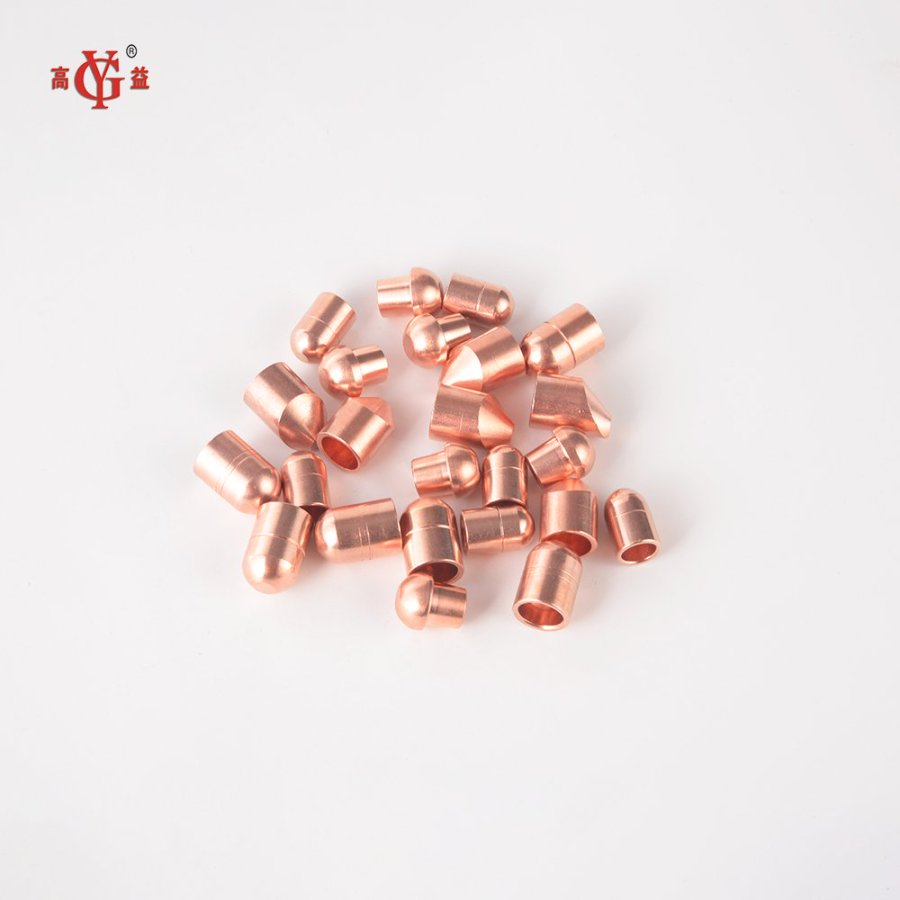
Electrode caps are crucial components in the spot welding process. They serve multiple functions, including:
- **Conducting Electrical Current**: Electrode caps facilitate the passage of electrical current to the workpiece, ensuring effective heat generation at the weld points.
- **Heat Dissipation**: During welding, the electrode caps absorb and dissipate heat. The efficiency of this process can significantly impact the quality and durability of the weld.
- **Impact on Weld Quality**: Well-designed electrode caps contribute to consistent weld quality by maintaining optimal pressure and electrical conductivity.
Choosing the right electrode caps is vital for achieving desired welding results, particularly in demanding environments.
3. Heat Transfer Fundamentals in Welding
Heat transfer in welding occurs primarily through three mechanisms: conduction, convection, and radiation. However, conduction is the most significant in the context of spot welding.
- **Conduction**: This process involves the transfer of heat through solid materials. In spot welding, heat is generated at the electrode interface and must efficiently transfer to the workpieces.
- **Convection**: Although less relevant in spot welding, convection can occur in fluid mediums, impacting heat distribution.
- **Radiation**: This form of heat transfer contributes minimally to spot welding but is essential in understanding the overall heat dynamics of the process.
The effectiveness of heat transfer directly influences the welding outcome, including bond strength, surface integrity, and the potential for defects.
4. How Electrode Caps Affect Heat Transfer
The design and material composition of electrode caps play pivotal roles in heat transfer efficiency. Factors influencing this relationship include:
- **Material Conductivity**: Materials with high electrical conductivity, such as copper, enhance the transfer of heat, allowing for faster welding cycles and improved weld quality.
- **Cap Geometry**: The shape and size of the electrode cap can impact the surface area in contact with the workpiece. Increased surface area can improve heat transfer, but it can also lead to increased wear.
- **Thermal Resistance**: The thermal resistance of electrode caps affects their ability to dissipate heat. High resistance can lead to overheating, negatively impacting welding performance.
Understanding these factors allows manufacturers and welders to select electrode caps that optimize heat transfer, ultimately leading to improved welding outcomes.
5. Importance of Materials in Electrode Caps
Selecting the right materials for electrode caps is essential for maximizing welding efficiency. Common materials include:
- **Copper Alloys**: These alloys are favored for their excellent electrical and thermal conductivity. They provide effective heat transfer while maintaining structural integrity under high temperatures.
- **Alloyed Steels**: While not as conductive as copper, certain alloyed steels can be used for specific applications where increased strength is required.
- **Coatings and Treatments**: Some electrode caps feature coatings that enhance durability, reduce wear, and improve performance under high-temperature operations.
The choice of material should align with the specific requirements of the welding application, considering factors such as weld strength, cycle time, and overall cost-efficiency.
6. Enhancing Welding Performance Through Proper Cap Selection
Choosing the right electrode cap can significantly enhance welding performance. Considerations for selection include:
- **Welding Application**: Different materials and designs may be suited for varied applications, such as automotive, aerospace, or electronics manufacturing.
- **Heat Management**: Effective heat management through proper cap selection prevents overheating and premature wear, leading to more consistent welds.
- **Cost-Benefit Analysis**: Evaluating the long-term costs associated with electrode cap wear versus initial investment can aid in selecting the most efficient options.
Proper selection of electrode caps can lead to significant improvements in operational efficiency, welding quality, and the longevity of the equipment.
7. Maintenance and Care of Electrode Caps
Maintaining the integrity of electrode caps is crucial for sustained welding performance. Strategies for effective maintenance include:
- **Regular Inspection**: Frequent checks for wear, deformation, or damage can prevent unexpected failures during welding operations.
- **Cleaning**: Keeping electrode caps clean from contaminants can improve conductivity and heat transfer efficiency.
- **Reconditioning**: In some cases, electrode caps can be reconditioned rather than replaced, providing cost savings while maintaining performance.
By investing in the consistent maintenance of electrode caps, manufacturers can optimize their welding processes and extend the life of their equipment.
8. Frequently Asked Questions
What are spot welding electrode caps made of?
Spot welding electrode caps are typically made from high-conductivity materials such as copper or copper alloys, which facilitate effective heat transfer.
How does electrode cap design impact welding quality?
The design of an electrode cap, including its shape and surface area, directly affects heat distribution and pressure application, influencing the quality of the weld.
How often should electrode caps be replaced?
The frequency of replacement depends on usage and wear. Regular inspections can determine when caps need to be replaced to prevent welding defects.
Can electrode caps be reconditioned?
Yes, electrode caps can often be reconditioned through processes such as grinding to restore their shape and functionality, offering a cost-effective solution.
What is the impact of overheating on electrode caps?
Overheating can lead to accelerated wear, reduced conductivity, and compromised weld quality, making effective heat management essential in welding applications.
9. Conclusion
Understanding the connection between spot welding electrode caps and heat transfer is vital for achieving optimal welding performance. By recognizing the significance of material selection, cap design, and maintenance practices, professionals can enhance their welding processes and outcomes. Properly functioning electrode caps contribute to improved heat transfer, resulting in higher quality welds and greater operational efficiency. Investing in the right materials and maintenance practices will ensure the longevity and effectiveness of welding operations, ultimately benefiting the entire manufacturing process.
TAG:
Previous
Related Posts
The Connection Between Spot Welding Electrode Caps and Heat Transfer: A Comprehensive Guide
The Connection Between Spot Welding Electrode Caps and Heat Transfer
Table of Contents
1. Understanding Spot Welding
2. The Role of Electrode Caps in Spot Welding
3. Heat Transfer Fundamentals in Welding
4. How Electrode Caps Affect Heat Transfer
5. Importance of Materials in Electrode Caps
6. Enhancing Welding Performance Through Proper Cap Selection
7. Maintenance an