
Understanding the Importance of Spot Welding Electrode Arms in Electrical Engineering
Apr 05,2026
When it comes to spot welding in the electrical and engineering field, the importance of the spot welding electrode arm cannot be overstated. These components serve as the primary interface between the welding machine and the workpieces, ensuring that the necessary current is delivered to achieve a strong and durable weld. Understanding the functionality and maintenance of these arms is crucial fo
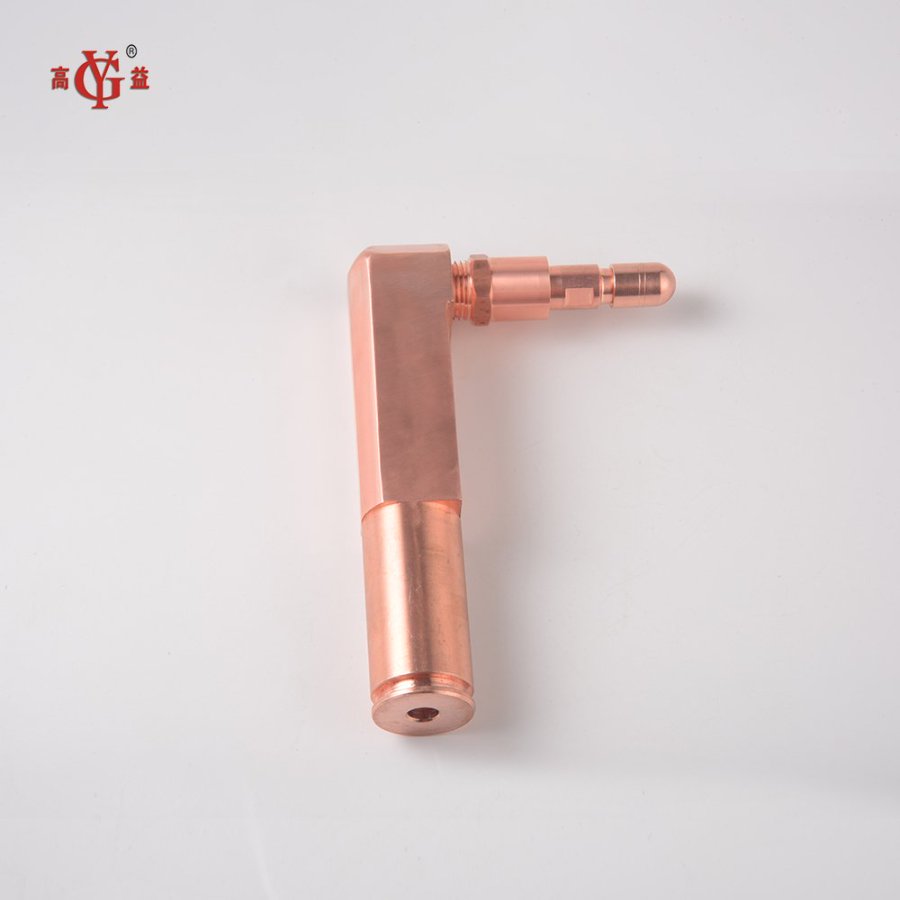
When it comes to spot welding in the electrical and engineering field, the importance of the spot welding electrode arm cannot be overstated. These components serve as the primary interface between the welding machine and the workpieces, ensuring that the necessary current is delivered to achieve a strong and durable weld. Understanding the functionality and maintenance of these arms is crucial for achieving optimal welding results.
Spot welding electrode arms typically come in various designs, tailored to meet specific welding requirements. The arms must be constructed from materials that can withstand high temperatures and electrical currents without deforming or degrading. Common materials include copper and its alloys, known for their excellent electrical conductivity and thermal resistance. When choosing the right electrode arm, it’s essential to consider the thickness and type of materials being welded, as well as the required welding speed.
One of the key factors affecting the performance of spot welding electrode arms is their alignment and positioning. Proper alignment ensures that the electrodes make consistent contact with the workpieces, which is vital for producing uniform welds. Misalignment can lead to poor weld quality, wasted materials, and increased maintenance costs. It’s advisable to regularly check the alignment of the electrode arms and make necessary adjustments to maintain optimal performance.
Additionally, the condition of the electrode tips is critical. Over time, the tips can become worn or contaminated, which can negatively impact the welding process. Regular inspection and maintenance of the tips, including cleaning and reconditioning when necessary, will help ensure efficient operation.
Another important aspect is the cooling of the electrode arms. Spot welding generates significant heat, and without adequate cooling, the arms can overheat, leading to damage and reduced efficiency. Implementing proper cooling systems, such as water-cooled or air-cooled setups, can extend the life of the electrode arms and improve welding performance.
In summary, spot welding electrode arms play a significant role in the welding process within the electrical engineering sector. Their design, material composition, alignment, maintenance, and cooling are all critical factors that contribute to the success of any welding operation. By investing time and resources into understanding and maintaining these components, businesses can enhance their welding efficiency and ensure high-quality outcomes. Remember, a well-maintained electrode arm can make all the difference in achieving reliable and durable welds for your projects.
Spot welding electrode arms typically come in various designs, tailored to meet specific welding requirements. The arms must be constructed from materials that can withstand high temperatures and electrical currents without deforming or degrading. Common materials include copper and its alloys, known for their excellent electrical conductivity and thermal resistance. When choosing the right electrode arm, it’s essential to consider the thickness and type of materials being welded, as well as the required welding speed.
One of the key factors affecting the performance of spot welding electrode arms is their alignment and positioning. Proper alignment ensures that the electrodes make consistent contact with the workpieces, which is vital for producing uniform welds. Misalignment can lead to poor weld quality, wasted materials, and increased maintenance costs. It’s advisable to regularly check the alignment of the electrode arms and make necessary adjustments to maintain optimal performance.
Additionally, the condition of the electrode tips is critical. Over time, the tips can become worn or contaminated, which can negatively impact the welding process. Regular inspection and maintenance of the tips, including cleaning and reconditioning when necessary, will help ensure efficient operation.
Another important aspect is the cooling of the electrode arms. Spot welding generates significant heat, and without adequate cooling, the arms can overheat, leading to damage and reduced efficiency. Implementing proper cooling systems, such as water-cooled or air-cooled setups, can extend the life of the electrode arms and improve welding performance.
In summary, spot welding electrode arms play a significant role in the welding process within the electrical engineering sector. Their design, material composition, alignment, maintenance, and cooling are all critical factors that contribute to the success of any welding operation. By investing time and resources into understanding and maintaining these components, businesses can enhance their welding efficiency and ensure high-quality outcomes. Remember, a well-maintained electrode arm can make all the difference in achieving reliable and durable welds for your projects.
TAG:
Related Posts
Choosing Non-Inductive Welding Cables for a Stable Arc: Essential Insights
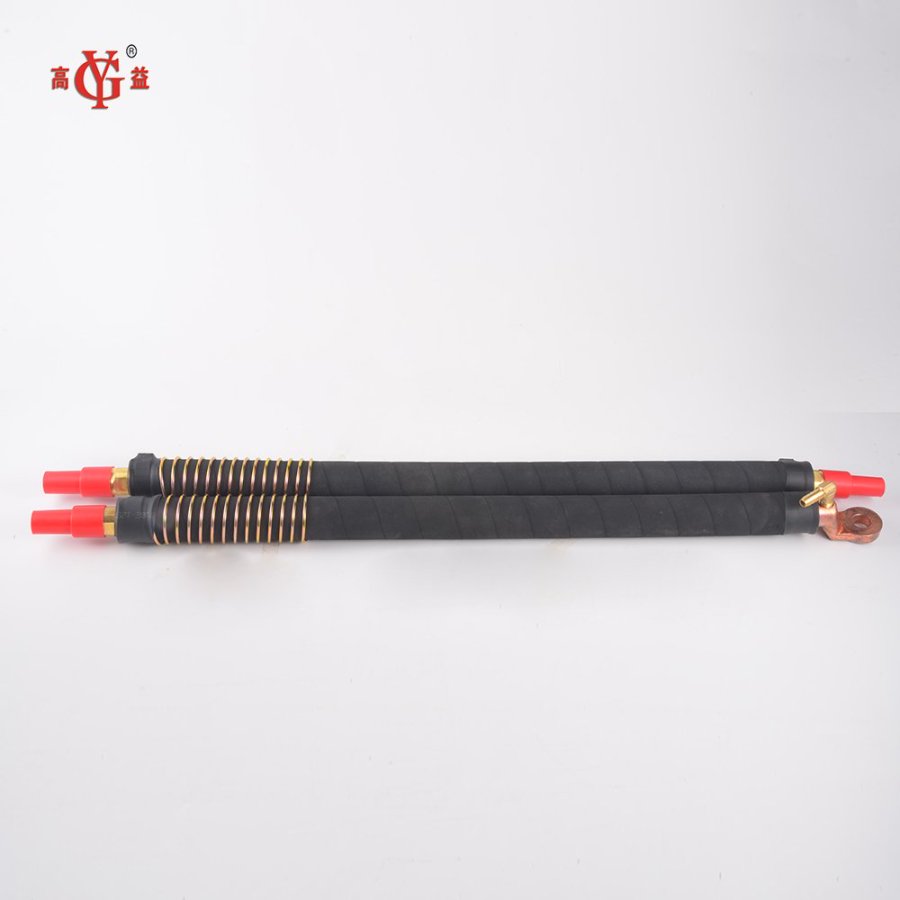
In the world of electrical engineering, particularly in the welding industry, the choice of cables significantly impacts the quality and efficiency of the welding process. Non-inductive welding cables are specifically designed to enhance the stability of the arc, ensuring a smoother and more consistent welding performance. Understanding the properties and benefits of these cables can be crucial fo