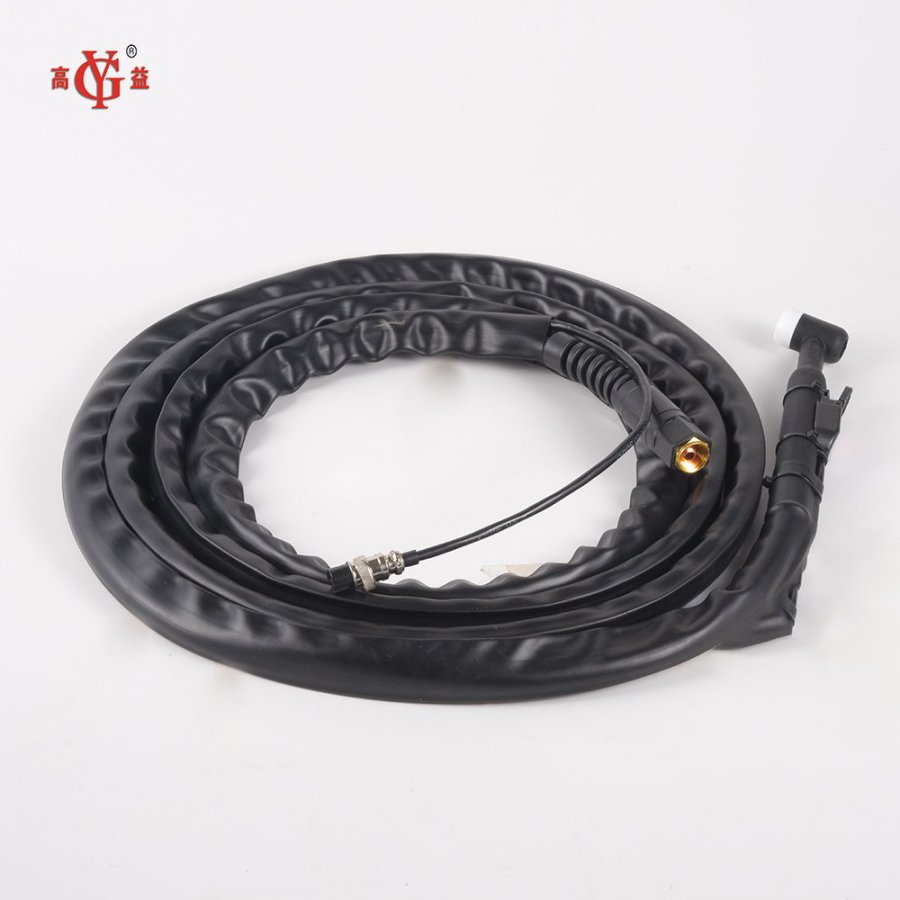

Enhancing Your Welding Experience with Non-Inductive Cable Solutions
Apr 04,2026
Enhancing Your Welding Experience with Non-Inductive Cable Solutions
Table of Contents
1. Introduction to Non-Inductive Cables
2. What Are Non-Inductive Cables?
3. Benefits of Using Non-Inductive Cables in Welding
4. Applications of Non-Inductive Cables in Welding
5. Technical Specifications of Non-Inductive Cables
6. Comparing Non-Inductive Cables with Conventional Ca
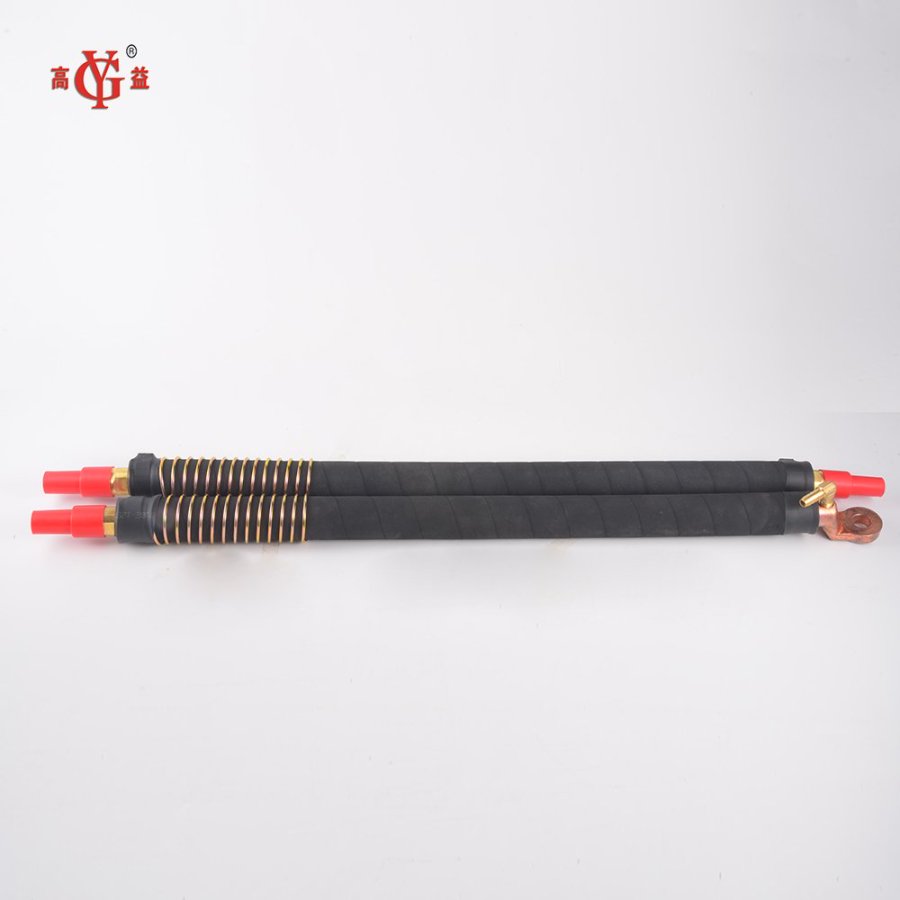
Enhancing Your Welding Experience with Non-Inductive Cable Solutions
Table of Contents
- 1. Introduction to Non-Inductive Cables
- 2. What Are Non-Inductive Cables?
- 3. Benefits of Using Non-Inductive Cables in Welding
- 4. Applications of Non-Inductive Cables in Welding
- 5. Technical Specifications of Non-Inductive Cables
- 6. Comparing Non-Inductive Cables with Conventional Cables
- 7. Installation and Maintenance Tips for Non-Inductive Cables
- 8. Frequently Asked Questions
- 9. Conclusion
1. Introduction to Non-Inductive Cables
Welding is an essential process in various industries, ranging from construction to automotive manufacturing. The quality of welding directly affects the integrity and durability of the finished product. One crucial element that impacts the efficiency and performance of welding operations is the type of cable used. Non-inductive cables have emerged as a game-changer in this domain, offering unique advantages over conventional cables. In this article, we will explore how non-inductive cable solutions can enhance your welding experience, ensuring better results and increased productivity.
2. What Are Non-Inductive Cables?
Non-inductive cables are designed to minimize electrical inductance, which can cause various issues in welding applications. Unlike traditional cables that can generate electromagnetic interference, non-inductive cables ensure a clean and stable electrical current. This stability is crucial for achieving consistent welding quality and preventing defects. These cables are constructed with specific materials and design features that significantly reduce inductance, making them ideal for critical applications in welding.
The Construction of Non-Inductive Cables
The construction of non-inductive cables typically involves a layered design that helps to cancel out electromagnetic fields. The specific arrangement of conductors is critical; usually, they are twisted or laid out in such a way that the magnetic fields produced by each conductor offset each other. This innovative design feature not only minimizes inductance but also enhances the overall durability and performance of the cable.
3. Benefits of Using Non-Inductive Cables in Welding
The advantages of using non-inductive cables in welding are numerous and impactful. Here are some key benefits that can elevate your welding experience:
Improved Welding Quality
By minimizing electromagnetic interference, non-inductive cables help to produce a more stable arc during welding. This stability results in improved penetration and bead appearance, leading to higher-quality welds without defects.
Increased Efficiency
The reduction in current fluctuation means that welders can operate at higher speeds without compromising quality. This efficiency translates into faster project completion times and lower operational costs.
Enhanced Safety
Non-inductive cables are less prone to overheating and electromagnetic interference, reducing the risk of accidents and equipment failure. This safety aspect is vital in high-stakes environments where worker safety is paramount.
Longer Lifespan
The high-quality materials and innovative design of non-inductive cables contribute to their longevity. These cables can withstand harsh working conditions and are less likely to wear out compared to conventional cables.
Versatility
Non-inductive cables are suitable for various welding processes, including MIG, TIG, and stick welding. Their versatility makes them an excellent choice for businesses that utilize multiple welding techniques.
4. Applications of Non-Inductive Cables in Welding
Non-inductive cables find applications across a range of welding scenarios. Understanding where and how to use these cables can significantly enhance your operations.
Industrial Fabrication
In large-scale industrial fabrication, the demand for consistent and high-quality welds is critical. Non-inductive cables help to achieve this consistency, making them a preferred choice in manufacturing plants.
Automotive Welding
The automotive industry requires precise welding for safety-critical components. Non-inductive cables provide the reliability and quality necessary for such applications.
Construction and Maintenance
In construction, the ability to quickly and efficiently complete welding tasks is essential. Non-inductive cables allow for faster workflows without sacrificing quality, making them valuable in construction projects.
Pipelines and Infrastructure Projects
For infrastructure projects involving pipelines, non-inductive cables ensure that welding processes remain stable and reliable, preventing costly repairs down the line.
5. Technical Specifications of Non-Inductive Cables
Understanding the technical specifications of non-inductive cables is crucial for selecting the right solution for your welding needs.
Conductor Material
Non-inductive cables often use high-conductivity copper as the conductor material. This choice ensures excellent electrical performance and minimizes resistance.
Insulation Type
The insulation used in non-inductive cables is typically made from high-quality thermoplastic or thermoset materials. These materials are designed to withstand high temperatures and resist environmental factors.
Temperature Ratings
Many non-inductive cables are rated for high-temperature applications, which is essential in welding environments where heat generation is significant.
Voltage Ratings
Voltage ratings for non-inductive cables can vary, so it’s essential to select a cable that meets the specific requirements of your welding equipment.
6. Comparing Non-Inductive Cables with Conventional Cables
To appreciate the benefits of non-inductive cables fully, it's helpful to compare them with conventional welding cables.
Inductance Levels
Conventional cables typically exhibit higher inductance levels, which can lead to inconsistent welding performance. Non-inductive cables effectively mitigate this issue.
Electromagnetic Interference
Conventional cables can introduce significant electromagnetic interference, leading to complications in welding processes. Non-inductive cables, on the other hand, provide a clearer signal for optimal performance.
Durability
While conventional cables may serve their purpose, non-inductive cables offer enhanced durability and resistance to wear and tear, resulting in a better long-term investment.
7. Installation and Maintenance Tips for Non-Inductive Cables
To maximize the benefits of non-inductive cables, proper installation and maintenance are essential.
Installation Best Practices
When installing non-inductive cables, ensure that they are routed away from potential sources of interference. Properly securing the cables will prevent movement that could lead to wear.
Regular Inspections
Conduct regular inspections to check for signs of wear, such as fraying or insulation damage. Addressing any issues promptly will prolong the life of the cable.
Cleaning and Care
Keep the cables clean and free from contaminants that could affect performance. Use appropriate cleaning solutions and avoid harsh chemicals that may damage the insulation.
8. Frequently Asked Questions
What is a non-inductive cable?
A non-inductive cable is designed to minimize electrical inductance, providing a stable electrical current for improved welding quality and efficiency.
What are the benefits of using non-inductive cables?
Benefits include improved welding quality, increased efficiency, enhanced safety, longer lifespan, and versatility across various welding processes.
Can I use non-inductive cables for all types of welding?
Yes, non-inductive cables are suitable for MIG, TIG, and stick welding processes, making them a versatile choice for different applications.
What materials are used in non-inductive cables?
Non-inductive cables typically use high-conductivity copper for conductors and high-quality thermoplastic or thermoset materials for insulation.
How do I maintain non-inductive cables?
Regular inspections for wear, proper installation practices, and keeping the cables clean and free from contaminants are essential for maintenance.
9. Conclusion
In conclusion, **non-inductive cable solutions represent a significant advancement in welding technology**, providing numerous advantages over conventional cables. Their ability to minimize electromagnetic interference and enhance welding quality makes them an invaluable resource in various industries. By understanding their applications, technical specifications, and maintenance requirements, welders can elevate their processes, resulting in higher-quality outputs and safer working environments. Investing in non-inductive cables is a step towards a more efficient and effective welding experience.
TAG:
Related Posts

Handheld Tip Dressers: Essential Tools for Every Electrician
Handheld Tip Dressers: Essential Tools for Every Electrician
In the realm of electrical engineering and welding, having the right tools at your disposal cannot be overstated. Among these, the handheld tip dresser stands out as an essential tool for electricians. This article will delve into the many facets of handheld tip dressers, exploring their functionality, the types available, and the signif