
Mastering the TIG Welding Torch: Key Insights for Professionals
Nov 15,2026
When it comes to precision welding, the TIG (Tungsten Inert Gas) welding torch stands out as a crucial tool for professionals in the electrical and welding industry. This article aims to provide valuable insights into the features and functionalities of the TIG welding torch, enhancing your understanding and efficiency in using this vital equipment.
The TIG welding torch is designed to facilitate
When it comes to precision welding, the TIG (Tungsten Inert Gas) welding torch stands out as a crucial tool for professionals in the electrical and welding industry. This article aims to provide valuable insights into the features and functionalities of the TIG welding torch, enhancing your understanding and efficiency in using this vital equipment.
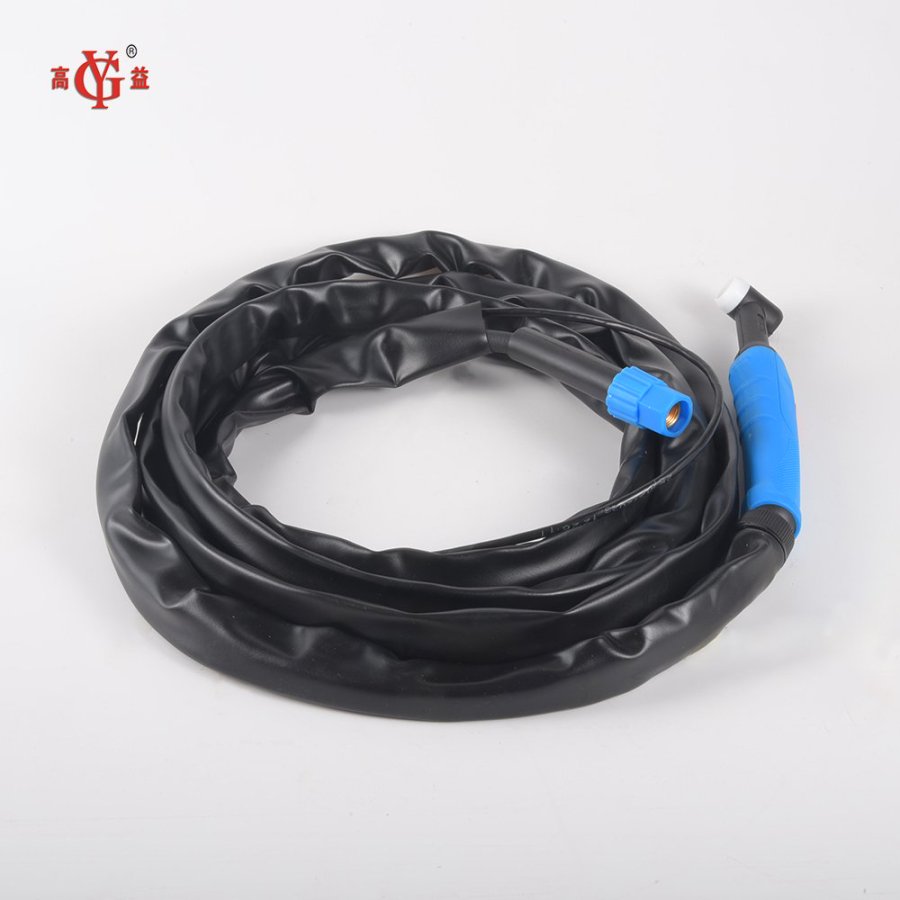
The TIG welding torch is designed to facilitate the process of gas tungsten arc welding, which is known for its ability to produce high-quality welds with excellent control over the heat input. The torch itself consists of several key components: the tungsten electrode, collet, collet body, and nozzle, which work together to create a stable arc. The tungsten electrode, made from a non-consumable material, is integral to the welding process, as it provides the arc's ionization necessary to melt the workpieces.
One of the significant advantages of the TIG welding torch is its versatility. It can be used on a wide variety of metals, including stainless steel, aluminum, and magnesium, making it a preferred choice for many applications. Additionally, the torch is capable of welding both thin and thick materials, giving professionals the flexibility they need in various projects.
When operating a TIG welding torch, several best practices can help ensure optimal results. First, it is crucial to select the appropriate tungsten electrode size and type based on the material being welded. For instance, a 2% thoriated tungsten is often used for stainless steel, while a pure tungsten electrode may be better for aluminum. Properly preparing the work surface by cleaning it to remove any contaminants, such as grease or rust, is equally important to achieve a strong bond.
Additionally, understanding the role of shielding gas is vital in TIG welding. Argon is the most commonly used gas, providing an inert atmosphere that protects the weld pool from contamination. Adjusting the gas flow rate is essential; too little shielding gas can lead to oxidation, while excessive flow may cause turbulence, negatively impacting the weld quality.
Maintaining your TIG welding torch is another critical aspect to consider. Regular inspection of the torch components for wear and damage, such as replacing the nozzle and collet when necessary, ensures consistent performance. Furthermore, keeping the tungsten electrode properly sharpened can help create a more stable arc, leading to improved weld quality.
In conclusion, mastering the TIG welding torch involves understanding its components, selecting the right settings, and adhering to best practices. By focusing on these aspects, professionals can enhance their welding skills and achieve high-quality results in their projects. Whether working on intricate designs or robust structures, the TIG welding torch remains an indispensable tool in the arsenal of any skilled welder.
TAG:
Previous:
Related Posts
Mastering the TIG Welding Torch: Key Insights for Professionals
When it comes to precision welding, the TIG (Tungsten Inert Gas) welding torch stands out as a crucial tool for professionals in the electrical and welding industry. This article aims to provide valuable insights into the features and functionalities of the TIG welding torch, enhancing your understanding and efficiency in using this vital equipment.
The TIG welding torch is designed to facilitate