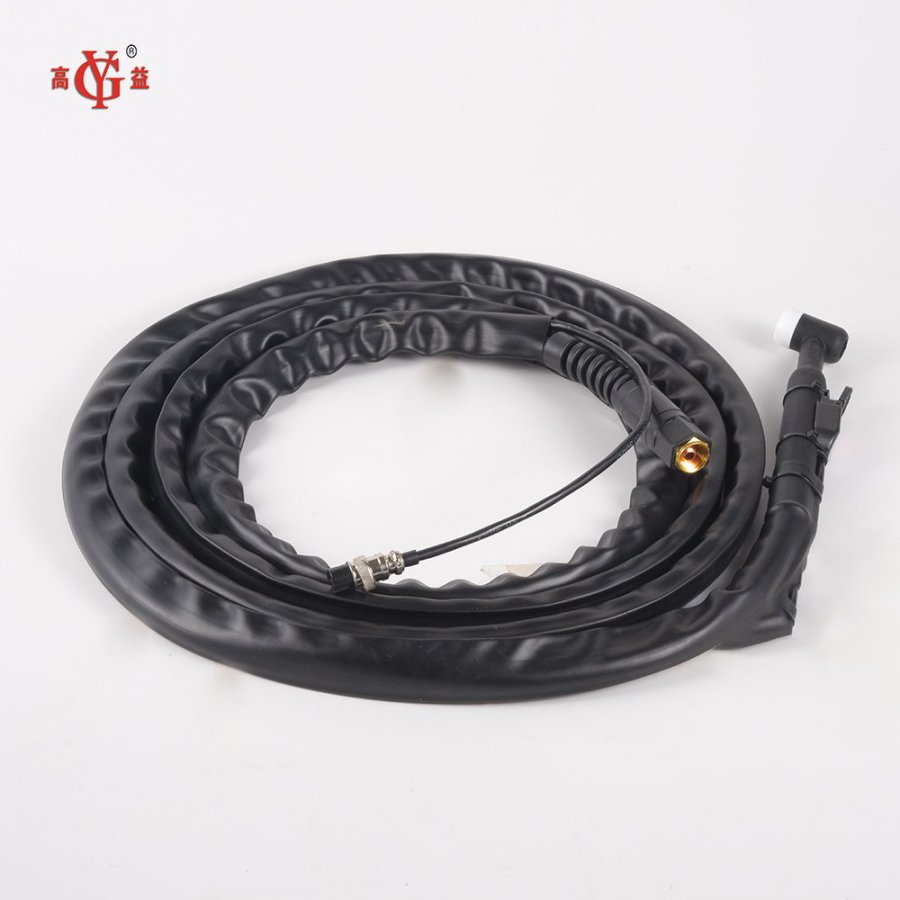

Choosing the Right Plasma Cutting Torch Nozzle for Your Projects: A Comprehensive Guide
Apr 02,2026
Choosing the Right Plasma Cutting Torch Nozzle for Your Projects
In the realm of industrial equipment and components, plasma cutting has emerged as a dominant technology for various applications, from metal fabrication to automotive repairs. Central to achieving optimal results in plasma cutting is the choice of the nozzle used in the process. Selecting the right plasma cutting torch nozzle not on

Choosing the Right Plasma Cutting Torch Nozzle for Your Projects
In the realm of industrial equipment and components, plasma cutting has emerged as a dominant technology for various applications, from metal fabrication to automotive repairs. Central to achieving optimal results in plasma cutting is the choice of the nozzle used in the process. Selecting the right plasma cutting torch nozzle not only affects the quality of the cut but can also influence efficiency, material compatibility, and overall project success. In this guide, we will explore the essential factors to consider when choosing a plasma cutting torch nozzle, the various types available, and tips for maximizing cutting performance.
Table of Contents
- Understanding Plasma Cutting Nozzles
- Types of Plasma Cutting Nozzles
- Factors to Consider When Choosing a Nozzle
- The Importance of Nozzle Size
- Nozzle Materials and Construction
- Tips for Maintaining Your Plasma Cutting Nozzle
- Common Mistakes to Avoid When Choosing a Nozzle
- Frequently Asked Questions (FAQs)
- Conclusion
Understanding Plasma Cutting Nozzles
A plasma cutting nozzle is a critical component that controls the flow of the plasma arc during cutting operations. It is responsible for shaping the plasma stream that melts and removes material from the workpiece. The right nozzle can vastly improve the quality and precision of the cut, while a poorly chosen nozzle can lead to issues such as rough edges, excessive slag, and wasted material.
The plasma cutting process works by passing compressed air or another gas through a focused electric arc, which ionizes the gas and transforms it into plasma. This plasma is then directed through the nozzle, where it is shaped into a fine stream capable of melting through metals and other conductive materials.
Types of Plasma Cutting Nozzles
Plasma cutting nozzles come in various shapes and sizes, tailored for specific tasks and materials. Here are the most common types:
1. Standard Nozzles
Standard nozzles are the most widely used type for general cutting applications. They are versatile and suitable for a range of materials, from thin to moderately thick metals. These nozzles offer a balance between cut quality and speed.
2. Fine Cut Nozzles
Fine cut nozzles are designed for precision work, producing a narrower arc for more intricate cuts. They are ideal for projects requiring high detail, such as artwork or thin sheet metal fabrication.
3. Bevel Nozzles
Bevel nozzles are specifically engineered for angled cuts. They allow for precise beveling, making them essential in applications such as pipe fitting and welding preparation.
4. Heavy-Duty Nozzles
Heavy-duty nozzles are built for cutting thicker materials. They withstand higher temperatures and are designed to handle prolonged operational use in demanding environments.
5. Extended Nozzles
Extended nozzles provide additional reach, allowing the user to access hard-to-reach areas during cutting. They are particularly useful in complex assemblies and large workpieces.
Factors to Consider When Choosing a Nozzle
When selecting a plasma cutting torch nozzle, several factors should be taken into account to ensure optimal performance for your specific projects.
1. Material Thickness
The thickness of the material to be cut is one of the primary considerations. Thinner materials typically benefit from fine cut nozzles, while thicker materials may require heavy-duty options.
2. Material Type
Different materials react differently to plasma cutting. Steel, aluminum, and stainless steel may require different nozzle specifications to achieve the best results. Always consider the thermal conductivity and melting point of the material.
3. Cutting Speed
Cutting speed is crucial for efficiency. Some nozzles are designed for fast cuts, while others prioritize quality. Understanding the trade-off between speed and cut quality will guide your choice.
4. Application Precision
If your project demands high precision, opt for fine cut or bevel nozzles. For general-purpose cutting, standard nozzles are typically sufficient.
5. Gas Compatibility
Ensure that the nozzle you select is compatible with the type of gas you plan to use. Common gases include air, nitrogen, and oxygen.
The Importance of Nozzle Size
Nozzle size plays a crucial role in the efficiency and effectiveness of the plasma cutting process. The diameter of the nozzle directly affects the plasma arc's width and intensity. Here are key points to consider:
1. Matching Size to Material
Larger nozzles may be more effective for thicker materials, allowing for deeper cuts, whereas smaller nozzles are suitable for precision work on thinner materials.
2. Impact on Arc Stability
A nozzle that is too large for the application can lead to an unstable arc, resulting in poor cut quality. Conversely, a nozzle that is too small may not provide enough cooling, leading to premature wear.
Nozzle Materials and Construction
The construction and material of the nozzle significantly influence its performance and lifespan. Common materials used in nozzle manufacturing include:
1. Copper
Copper is a popular choice due to its excellent thermal conductivity, helping to dissipate heat effectively during cutting.
2. Brass
Brass offers good wear resistance and is often used in applications where corrosion resistance is important.
3. Ceramic
Ceramic nozzles are known for their durability and high-temperature resistance, making them suitable for heavy-duty applications.
4. Carbon Fiber
Carbon fiber nozzles may be used for specific applications requiring lightweight yet strong components.
Tips for Maintaining Your Plasma Cutting Nozzle
To ensure the longevity and performance of your plasma cutting nozzle, follow these maintenance tips:
1. Regular Inspection
Regularly inspect the nozzle for wear and tear. Look for signs of damage, such as cracks or excessive wear, and replace as necessary.
2. Clean After Use
Keep the nozzle clean after each use to prevent slag buildup, which can affect performance. Use a suitable cleaning solution and brush to remove debris.
3. Store Properly
When not in use, store nozzles in a protective case to prevent physical damage and contamination.
4. Monitor Gas Quality
Ensure that the gas used is clean and free of contaminants, as impurities can damage the nozzle.
Common Mistakes to Avoid When Choosing a Nozzle
When it comes to selecting a plasma cutting nozzle, being aware of common pitfalls can save you time and resources. Here are some mistakes to avoid:
1. Ignoring Manufacturer Recommendations
Always refer to the manufacturer's specifications and guidelines for the torch and nozzle being used.
2. Overlooking Material Compatibility
Failing to consider the compatibility of the nozzle with your material type can lead to inferior results.
3. Selecting the Wrong Size
Choosing a nozzle that is not suitable for your specific cutting requirements can lead to poor performance.
4. Disregarding Maintenance
Neglecting regular maintenance can shorten the life of your nozzle and affect cutting quality.
Frequently Asked Questions (FAQs)
1. What is the best nozzle for cutting aluminum?
The best nozzle for cutting aluminum typically is a fine cut nozzle, as it provides a precise arc suitable for thin materials.
2. How often should I replace my plasma cutting nozzle?
The frequency of replacement depends on usage and material type. Regular inspections will help determine when it’s time for a replacement.
3. Can I use the same nozzle for different materials?
While some nozzles are versatile, it's best to use nozzles designed for specific materials to achieve optimal results.
4. What affects the lifespan of a plasma cutting nozzle?
Factors affecting nozzle lifespan include the type of materials being cut, the cutting speed, and the maintenance practices employed.
5. Are there any safety precautions when using plasma cutting nozzles?
Always wear appropriate PPE, ensure proper ventilation, and follow operational guidelines to maintain safety during plasma cutting operations.
Conclusion
Choosing the right plasma cutting torch nozzle is pivotal for achieving high-quality cuts and maximizing efficiency in your projects. By understanding the different types of nozzles, considering important factors, and maintaining your equipment, you can enhance your cutting performance significantly. Whether you are an industrial professional or a DIY enthusiast, making informed decisions about your plasma cutting equipment will lead to superior results and greater satisfaction with your work. Embrace these insights to ensure that your plasma cutting tasks are executed flawlessly, paving the way for success in all your future projects.
TAG:
Related Posts
Choosing Non-Inductive Welding Cables for a Stable Arc: Essential Insights
In the world of electrical engineering, particularly in the welding industry, the choice of cables significantly impacts the quality and efficiency of the welding process. Non-inductive welding cables are specifically designed to enhance the stability of the arc, ensuring a smoother and more consistent welding performance. Understanding the properties and benefits of these cables can be crucial fo