
Understanding the Importance of Spot Welding Electrode Caps in the Welding Process
Mar 28,2026
Spot welding is a widely used technique in the manufacturing and assembly of metal components, particularly in the automotive and electronics industries. A key component of this process is the spot welding electrode cap, which serves as the interface between the welding machine and the workpieces. Understanding its function and importance can greatly enhance the quality of welds and the overall ef

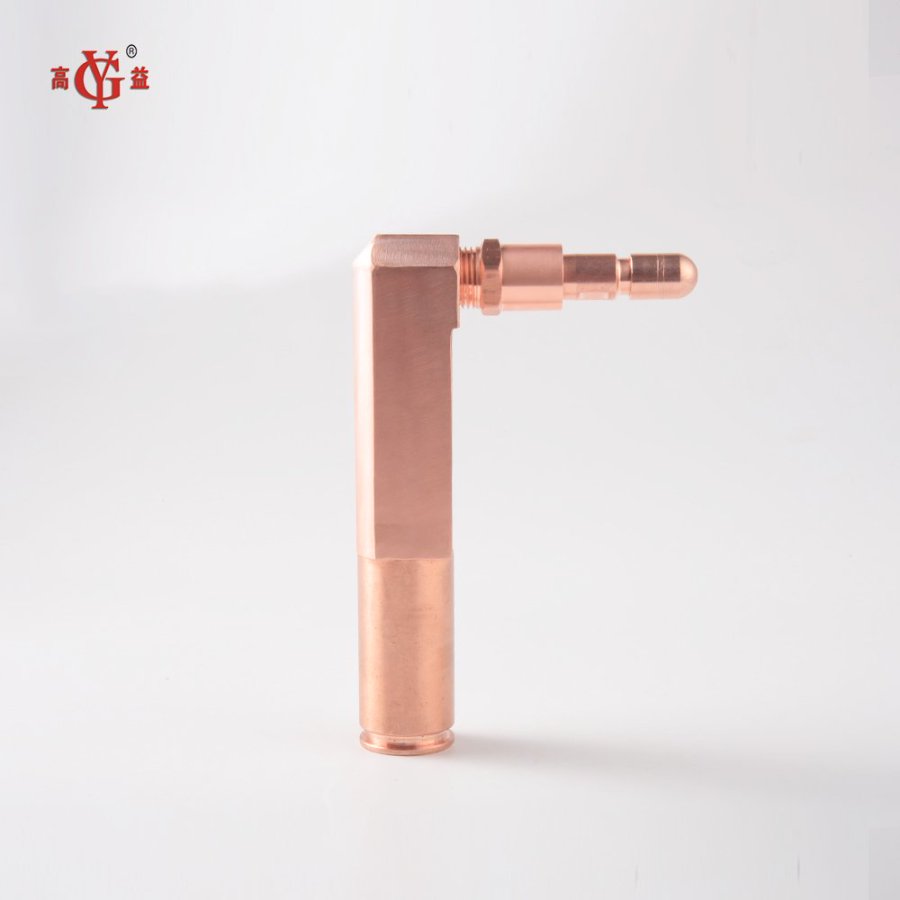
Spot welding is a widely used technique in the manufacturing and assembly of metal components, particularly in the automotive and electronics industries. A key component of this process is the spot welding electrode cap, which serves as the interface between the welding machine and the workpieces. Understanding its function and importance can greatly enhance the quality of welds and the overall efficiency of the welding operation.
The primary role of the electrode cap in spot welding is to provide a conductive surface that facilitates the flow of electricity during the welding process. When the welding machine applies a current to the electrodes, the cap helps focus the electrical energy on the specific area being welded. This concentrated energy generates heat, allowing the metal surfaces to fuse together effectively. Choosing the right electrode cap material is crucial, as different metals have varying levels of conductivity and thermal resistance. Common materials include copper and its alloys, which offer excellent conductivity and durability.
Another important aspect of spot welding electrode caps is their shape and design. The caps are typically designed to provide a precise fit over the electrode, ensuring consistent contact with the workpieces. This design helps minimize resistance and maximize weld quality. Regular inspection and maintenance of the electrode caps are essential to ensure optimal performance. Over time, the caps can wear down due to the high temperatures and pressures involved in the welding process. This wear can lead to inconsistent welds, increased resistance, and potential damage to the welding machine.
Professionals in the welding industry should prioritize the selection of high-quality electrode caps to ensure reliable performance. Factors to consider include the material composition, size, and design specifications that align with the specific welding application. Additionally, maintaining a clean welding environment and implementing proper storage practices for electrode caps can further extend their lifespan and effectiveness.
In summary, the spot welding electrode cap is a crucial component that significantly impacts the welding process. By understanding its function, selecting the right material, and maintaining it properly, professionals can enhance their welding operations. This knowledge not only contributes to the quality of the welds produced but also promotes greater efficiency and cost-effectiveness in the long run.
The primary role of the electrode cap in spot welding is to provide a conductive surface that facilitates the flow of electricity during the welding process. When the welding machine applies a current to the electrodes, the cap helps focus the electrical energy on the specific area being welded. This concentrated energy generates heat, allowing the metal surfaces to fuse together effectively. Choosing the right electrode cap material is crucial, as different metals have varying levels of conductivity and thermal resistance. Common materials include copper and its alloys, which offer excellent conductivity and durability.
Another important aspect of spot welding electrode caps is their shape and design. The caps are typically designed to provide a precise fit over the electrode, ensuring consistent contact with the workpieces. This design helps minimize resistance and maximize weld quality. Regular inspection and maintenance of the electrode caps are essential to ensure optimal performance. Over time, the caps can wear down due to the high temperatures and pressures involved in the welding process. This wear can lead to inconsistent welds, increased resistance, and potential damage to the welding machine.
Professionals in the welding industry should prioritize the selection of high-quality electrode caps to ensure reliable performance. Factors to consider include the material composition, size, and design specifications that align with the specific welding application. Additionally, maintaining a clean welding environment and implementing proper storage practices for electrode caps can further extend their lifespan and effectiveness.
In summary, the spot welding electrode cap is a crucial component that significantly impacts the welding process. By understanding its function, selecting the right material, and maintaining it properly, professionals can enhance their welding operations. This knowledge not only contributes to the quality of the welds produced but also promotes greater efficiency and cost-effectiveness in the long run.
TAG:
Related Posts
Understanding the Importance of Spot Welding Electrode Caps in the Welding Process
Spot welding is a widely used technique in the manufacturing and assembly of metal components, particularly in the automotive and electronics industries. A key component of this process is the spot welding electrode cap, which serves as the interface between the welding machine and the workpieces. Understanding its function and importance can greatly enhance the quality of welds and the overall ef