
The Science Behind Spot Welding: Understanding Electrode Arm Functionality
Mar 27,2026
The Science Behind Spot Welding: Understanding Electrode Arm Functionality
Spot welding is a pivotal technique in the electrical and welding sectors, known for its efficiency and effectiveness in joining metals. At the heart of this process lies the **electrode arm**, a critical component that can influence the overall quality of the weld. Understanding how the electrode arm functions is essential
The Science Behind Spot Welding: Understanding Electrode Arm Functionality
Spot welding is a pivotal technique in the electrical and welding sectors, known for its efficiency and effectiveness in joining metals. At the heart of this process lies the **electrode arm**, a critical component that can influence the overall quality of the weld. Understanding how the electrode arm functions is essential for professionals seeking to optimize their welding processes.
In this article, we will delve into the science of spot welding, examining the role of the electrode arm, its mechanics, and its impact on weld quality. We will also address frequently asked questions and provide tips for maximizing the effectiveness of spot welding operations.
Table of Contents
- What is Spot Welding?
- The Importance of Spot Welding in Manufacturing
- Understanding Electrode Arm Functionality
- The Mechanics of Spot Welding
- Types of Electrode Arms Used in Spot Welding
- Factors Affecting Weld Quality
- Maintaining Electrode Arms for Optimal Performance
- Innovations in Spot Welding Technology
- Conclusion
- Frequently Asked Questions
What is Spot Welding?
Spot welding is a process that joins two or more pieces of metal by applying heat and pressure at specific points. The heat is generated through electrical resistance, which occurs when an electric current passes through the materials. This method is particularly advantageous for joining thin sheets of metal, making it a preferred technique in various industries, including automotive, manufacturing, and electronics.
During the spot welding process, the **electrode arms** clamp the metal sheets together, and a controlled electric current is applied. This results in localized melting at the joint, forming a strong bond once the material cools. The simplicity and speed of spot welding make it a staple in mass production environments.
The Importance of Spot Welding in Manufacturing
Spot welding plays a crucial role in modern manufacturing processes. Its advantages include:
1. **Speed and Efficiency**: Spot welding is a rapid process that allows for high production rates, making it ideal for assembly lines.
2. **Cost-Effectiveness**: The minimal use of materials and reduced need for additional fasteners or adhesives lower production costs.
3. **Strength and Durability**: Welded joints created through spot welding are often stronger than the base materials, ensuring longevity and reliability.
4. **Versatility**: Spot welding can be used on various metals, including steel, aluminum, and copper, making it applicable across multiple industries.
Given these benefits, understanding the mechanisms behind spot welding, particularly the functionality of the electrode arm, is essential for optimizing production processes.
Understanding Electrode Arm Functionality
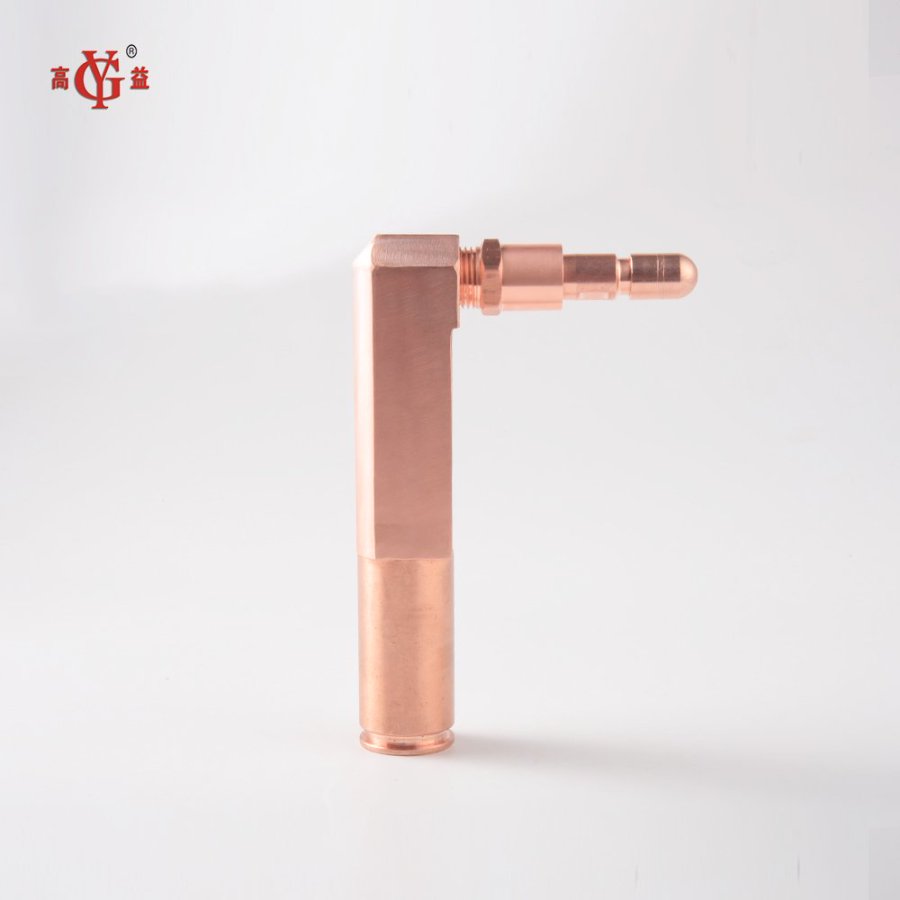
The **electrode arm** serves as a pivotal component in the spot welding process. Its primary functions include:
- **Clamping**: The electrode arm holds the metal pieces together, ensuring proper alignment and contact during welding.
- **Conducting Electricity**: It is responsible for delivering electrical current to the workpieces, generating the heat necessary for welding.
- **Heat Dissipation**: The design of the electrode arm also facilitates heat dissipation, preventing overheating and ensuring stable operation.
An efficient electrode arm design can significantly enhance the quality of the weld by ensuring consistent pressure and optimal heat distribution.
The Design of Electrode Arms
Electrode arms come in various designs, which can affect their performance. Key design considerations include:
- **Material**: Electrode arms are typically made from copper alloys, which provide excellent electrical conductivity and thermal resistance.
- **Shape and Size**: The shape and size of the electrode arm are tailored to the specific application, influencing the distribution of heat and pressure during welding.
- **Cooling Systems**: Some electrode arms feature integrated cooling systems to manage heat buildup, allowing for prolonged use without compromising weld quality.
The Mechanics of Spot Welding
Spot welding involves several key mechanical actions:
1. **Preparation**: The surfaces of the metals to be welded must be clean and free from contaminants to ensure a strong bond.
2. **Clamping**: The electrode arms move towards the workpieces, applying sufficient pressure to hold them together securely.
3. **Current Application**: Once the materials are clamped, a controlled electric current flows through the electrode arms, generating heat at the contact point.
4. **Cooling**: After the current is cut off, the weld area cools, solidifying the bond between the materials.
By understanding these mechanical processes, operators can fine-tune their spot welding techniques for improved results.
Types of Electrode Arms Used in Spot Welding
Different applications require different types of electrode arms. The main categories include:
- **Standard Electrode Arms**: These are the most common and are used in a variety of applications.
- **Heavy-Duty Electrode Arms**: Designed for thicker materials, these arms provide additional strength and support.
- **Articulating Electrode Arms**: These arms can move in multiple directions, allowing for greater flexibility and access in complex assemblies.
Choosing the right type of electrode arm is critical for achieving optimal welding performance.
Factors Affecting Weld Quality
Several factors can influence the quality of a spot weld:
- **Pressure**: The amount of pressure applied by the electrode arms directly affects the quality of the weld. Insufficient pressure can lead to weak joints, while excessive pressure may damage the materials.
- **Current Duration**: The time the current is applied also plays a critical role. Too short a duration may not generate enough heat, while too long can lead to overheating and material degradation.
- **Material Thickness**: Thicker materials require more current and pressure for effective welding, influencing the choice of electrode arm design.
- **Surface Cleanliness**: Contaminants on the metal surfaces can create barriers to effective welding, leading to weak joints.
By carefully managing these factors, operators can enhance the quality and reliability of spot welds.
Maintaining Electrode Arms for Optimal Performance
Regular maintenance of electrode arms is vital to ensure their longevity and performance. Key maintenance practices include:
- **Routine Inspection**: Regularly checking the electrode arms for wear and damage can prevent unexpected failures.
- **Cleaning**: Keeping the surfaces of the electrode arms clean and free from contaminants ensures optimal electrical conductivity.
- **Cooling System Checks**: If the electrode arms are equipped with cooling systems, check for proper operation to prevent overheating.
- **Calibration**: Periodic recalibration of the welding machine ensures consistent performance and weld quality.
Implementing a robust maintenance schedule can significantly extend the lifespan of electrode arms and improve welding outcomes.
Innovations in Spot Welding Technology
Advancements in technology continue to enhance spot welding processes. Innovations include:
- **Automated Welding Systems**: Automation increases efficiency and precision, reducing human error in welding operations.
- **Adaptive Control Systems**: These systems adjust parameters in real-time to optimize welding conditions based on material characteristics.
- **Advanced Electrode Materials**: New materials with improved conductivity and heat resistance are being developed to enhance electrode arm performance.
Staying updated on the latest trends and technologies in spot welding can provide significant advantages in competitive manufacturing environments.
Conclusion
Understanding the science behind spot welding, particularly the functionality of the electrode arm, is crucial for optimizing welding processes. By exploring the mechanics, types, and maintenance of electrode arms, professionals can significantly enhance the quality and efficiency of their welds. With continuous innovations in technology, the future of spot welding looks promising, offering exciting opportunities for further advancements in the industry.
Frequently Asked Questions
1. What is the typical lifespan of an electrode arm?
The lifespan of an electrode arm can vary widely based on usage, materials, and maintenance practices, but with proper care, they can last several years.
2. How can I determine the right pressure for my spot welding application?
Determining the correct pressure involves testing different levels based on material thickness and type. It’s essential to find a balance that ensures strong welds without damaging the materials.
3. Can spot welding be used on dissimilar metals?
Yes, spot welding can be effective on dissimilar metals, although the welding parameters may need to be adjusted to accommodate different thermal and electrical properties.
4. What are the safety considerations for spot welding?
Safety considerations include wearing appropriate protective gear, ensuring proper ventilation, and regularly inspecting equipment to prevent accidents.
5. Are there alternative welding methods to spot welding?
Yes, alternatives include MIG welding, TIG welding, and arc welding. Each method has its advantages and is suited to specific applications.
By delving into the mechanics, technology, and maintenance of electrode arms, this article provides a comprehensive understanding of spot welding, allowing professionals to enhance their skills and improve operational efficiency.
TAG:
Related Posts

Understanding Non-Inductive Welding Cables for Stable Arc Performance
When it comes to welding applications, the choice of cables is crucial for achieving optimal performance and efficiency. Non-inductive welding cables are engineered specifically to provide stable arc characteristics, which are vital in ensuring high-quality welds. Unlike traditional inductive cables, non-inductive options minimize the inductive reactance that can lead to fluctuations in arc stabil