
Understanding Non-Inductive Welding Cables for a Stable Arc: Key Insights for Professionals
Mar 26,2026
When it comes to welding, achieving a stable arc is crucial for the quality and integrity of the weld. One of the key components that contribute to this stability is the choice of welding cable. Non-inductive welding cables have gained prominence in the industry for their unique characteristics that enhance arc stability and performance.
Non-inductive welding cables are designed to minimize the in
When it comes to welding, achieving a stable arc is crucial for the quality and integrity of the weld. One of the key components that contribute to this stability is the choice of welding cable. Non-inductive welding cables have gained prominence in the industry for their unique characteristics that enhance arc stability and performance.
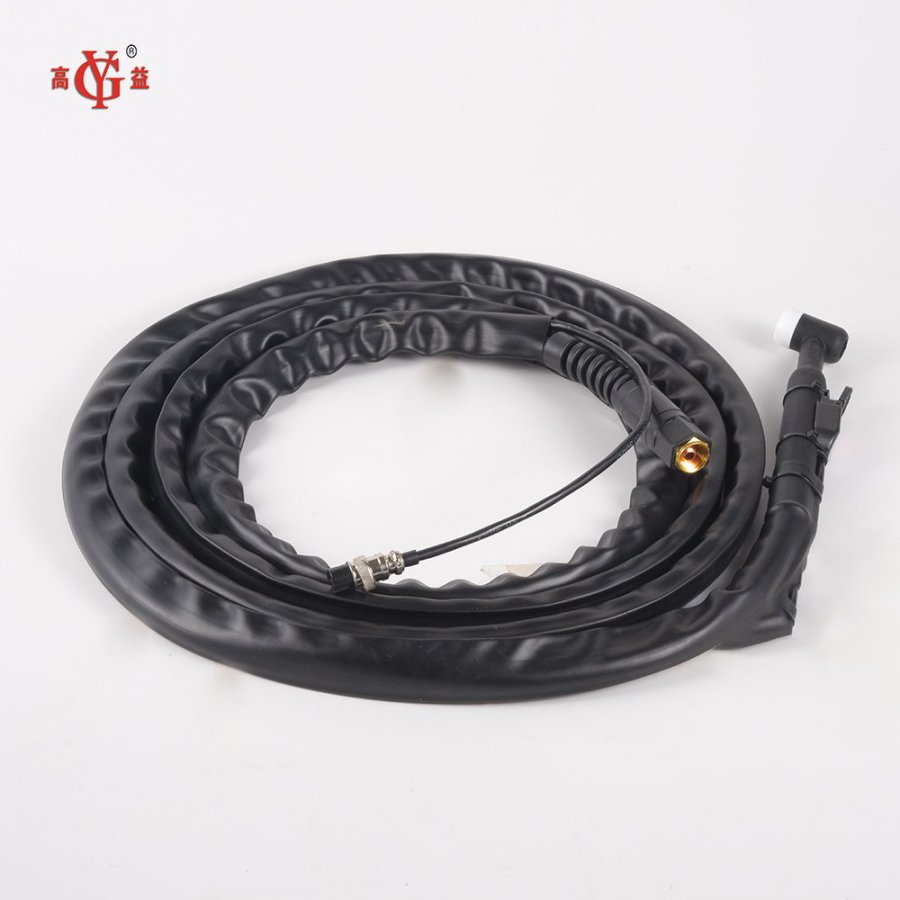
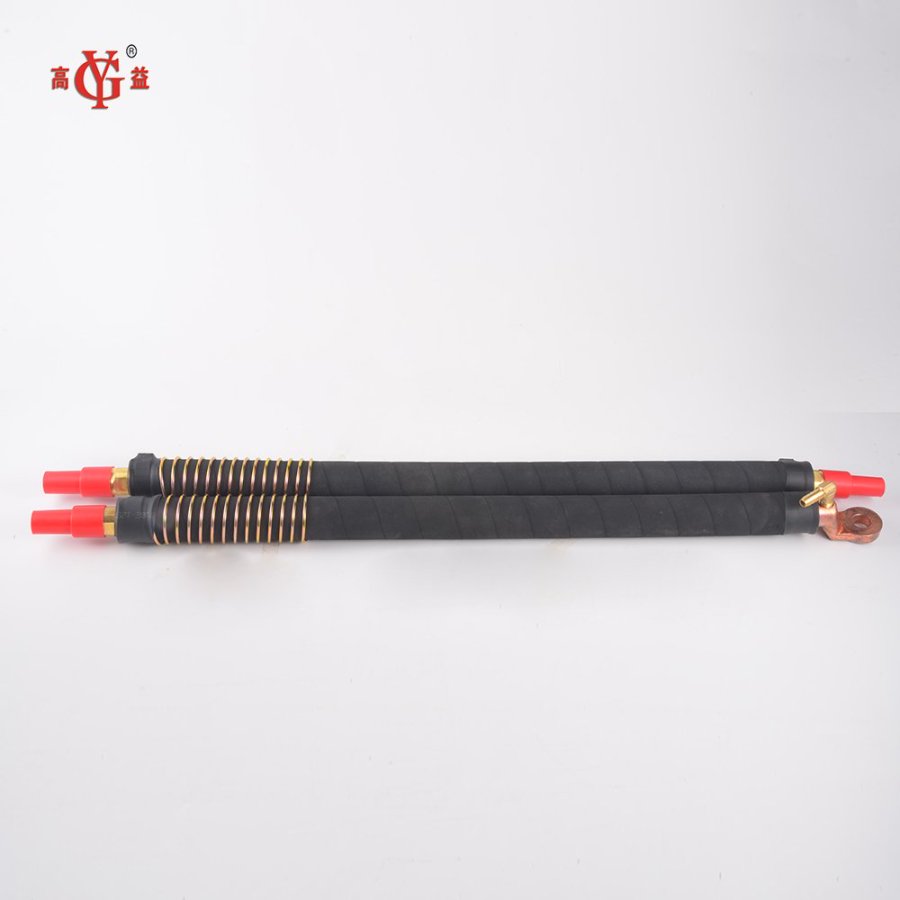
Non-inductive welding cables are designed to minimize the inductance in the circuit. Inductance can lead to fluctuations in current, which in turn can cause instability in the arc. By using non-inductive cables, welders can ensure a more consistent and reliable arc, which is essential for producing high-quality welds. This consistency helps in preventing defects and ensures that the weld penetrates correctly, leading to stronger and more durable joints.
One of the primary applications of non-inductive welding cables is in processes such as MIG (Metal Inert Gas) and TIG (Tungsten Inert Gas) welding. During these processes, a stable arc is vital since it directly affects the heat input and the molten pool characteristics. Non-inductive cables facilitate a smooth and uninterrupted flow of current, allowing for precise control over the welding parameters.
In addition to improving arc stability, non-inductive welding cables are also designed to withstand harsh working conditions. They often come with protective features that make them resistant to abrasion, heat, and other environmental factors. This durability not only extends the lifespan of the cables but also reduces the risk of accidents in the workplace, ensuring safety for technicians and welders alike.
Another advantage of non-inductive welding cables is their flexibility. They are often constructed with high-quality materials that allow for easy handling and maneuvering. This is particularly beneficial in complex welding applications where the welder needs to navigate tight spaces or make intricate welds. The flexibility of these cables can lead to improved efficiency and productivity on the job site.
For professionals in the electrical and wiring industry, understanding the significance of non-inductive welding cables is crucial. By selecting the right type of cable, technicians can enhance their welding performance, achieve better results, and ensure safety in their operations. In conclusion, non-inductive welding cables are more than just a component; they are an integral part of the welding process that contributes to the overall quality of work. Investing in these specialized cables can yield significant dividends in terms of performance, reliability, and long-term savings.
Non-inductive welding cables are designed to minimize the inductance in the circuit. Inductance can lead to fluctuations in current, which in turn can cause instability in the arc. By using non-inductive cables, welders can ensure a more consistent and reliable arc, which is essential for producing high-quality welds. This consistency helps in preventing defects and ensures that the weld penetrates correctly, leading to stronger and more durable joints.
One of the primary applications of non-inductive welding cables is in processes such as MIG (Metal Inert Gas) and TIG (Tungsten Inert Gas) welding. During these processes, a stable arc is vital since it directly affects the heat input and the molten pool characteristics. Non-inductive cables facilitate a smooth and uninterrupted flow of current, allowing for precise control over the welding parameters.
In addition to improving arc stability, non-inductive welding cables are also designed to withstand harsh working conditions. They often come with protective features that make them resistant to abrasion, heat, and other environmental factors. This durability not only extends the lifespan of the cables but also reduces the risk of accidents in the workplace, ensuring safety for technicians and welders alike.
Another advantage of non-inductive welding cables is their flexibility. They are often constructed with high-quality materials that allow for easy handling and maneuvering. This is particularly beneficial in complex welding applications where the welder needs to navigate tight spaces or make intricate welds. The flexibility of these cables can lead to improved efficiency and productivity on the job site.
For professionals in the electrical and wiring industry, understanding the significance of non-inductive welding cables is crucial. By selecting the right type of cable, technicians can enhance their welding performance, achieve better results, and ensure safety in their operations. In conclusion, non-inductive welding cables are more than just a component; they are an integral part of the welding process that contributes to the overall quality of work. Investing in these specialized cables can yield significant dividends in terms of performance, reliability, and long-term savings.
TAG:
Related Posts
Understanding Non-Inductive Welding Cables for a Stable Arc: Key Insights for Professionals
When it comes to welding, achieving a stable arc is crucial for the quality and integrity of the weld. One of the key components that contribute to this stability is the choice of welding cable. Non-inductive welding cables have gained prominence in the industry for their unique characteristics that enhance arc stability and performance.
Non-inductive welding cables are designed to minimize the in