
Understanding the Role of Spot Welding Electrode Arms in Efficient Welding Operations
Mar 18,2026
Spot welding electrode arms play a crucial role in the welding process, especially in industries involving metal fabrication. These components are designed to hold the welding electrodes in place and apply pressure to the workpieces being welded together. Understanding their functionality and maintenance is essential for ensuring optimal welding performance.
One of the primary functions of spot we
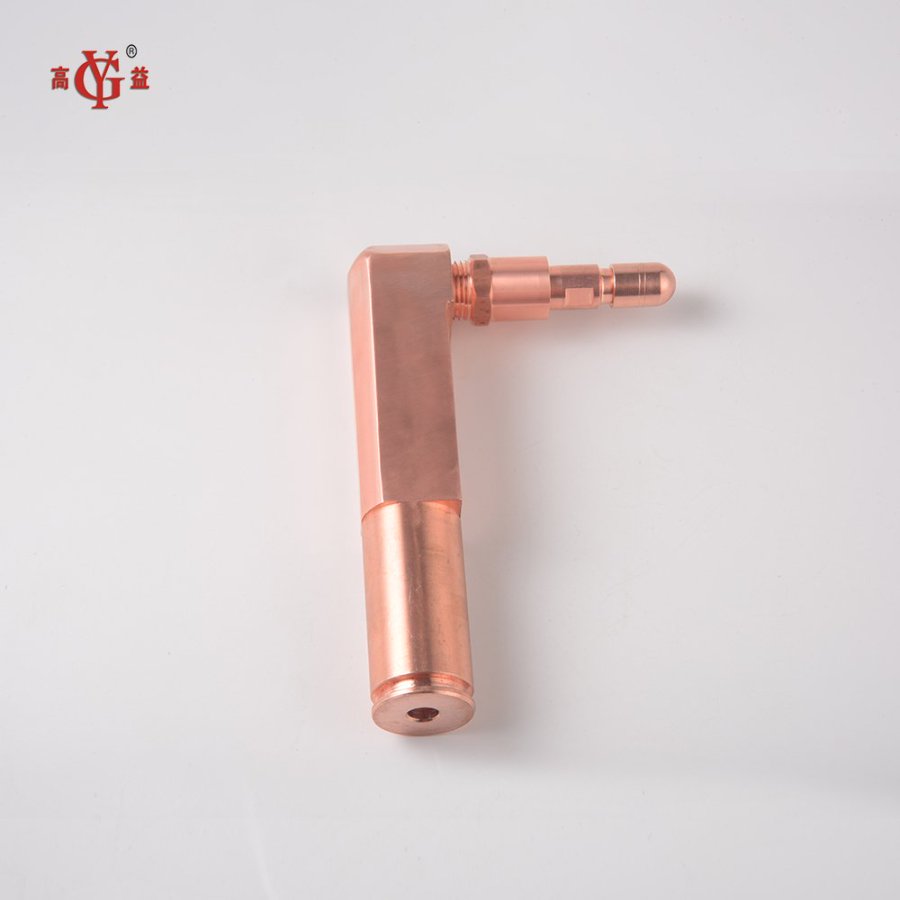
Spot welding electrode arms play a crucial role in the welding process, especially in industries involving metal fabrication. These components are designed to hold the welding electrodes in place and apply pressure to the workpieces being welded together. Understanding their functionality and maintenance is essential for ensuring optimal welding performance.
One of the primary functions of spot welding electrode arms is to ensure accurate alignment of the electrodes with the workpieces. Proper alignment is critical for achieving consistent weld quality. If the electrodes are misaligned, it can lead to weak welds, increased spatter, and even damage to the components being joined. Therefore, regular inspection and adjustment of the arms are necessary to maintain accuracy.
In addition to alignment, the design and material of the electrode arms are significant factors that influence their performance. High-quality materials, such as hardened steel or specialized alloys, are often used to manufacture these arms. This choice of materials not only enhances their durability but also helps to withstand the high temperatures and forces generated during the welding process. Operators should be aware of the wear and tear on these components and replace them as needed to prevent compromised welding quality.
Another important aspect to consider is the maintenance routine for spot welding electrode arms. Regular cleaning and inspection are essential to remove any buildup of debris or oxidation that may accumulate over time. This buildup can negatively impact the electric conductivity and heat transfer efficiency, leading to poor welding results. Implementing a proactive maintenance schedule will ensure that the electrode arms function optimally and contribute to the overall efficiency of the welding operation.
Furthermore, the angle and pressure applied by the arms during the welding process can also affect the outcome. Adjusting these parameters can help in fine-tuning the weld characteristics, such as penetration depth and weld nugget size. Skilled operators can leverage their experience to make real-time adjustments, leading to enhanced weld quality and productivity.
In summary, spot welding electrode arms are integral to achieving high-quality welds in various industrial applications. By understanding their functions, ensuring proper alignment, selecting the right materials, and adhering to a consistent maintenance routine, professionals can significantly enhance welding efficiency and quality. Investing time and resources into the upkeep and optimization of these components will pay off in the form of improved productivity and reduced defect rates in welded products.
One of the primary functions of spot welding electrode arms is to ensure accurate alignment of the electrodes with the workpieces. Proper alignment is critical for achieving consistent weld quality. If the electrodes are misaligned, it can lead to weak welds, increased spatter, and even damage to the components being joined. Therefore, regular inspection and adjustment of the arms are necessary to maintain accuracy.
In addition to alignment, the design and material of the electrode arms are significant factors that influence their performance. High-quality materials, such as hardened steel or specialized alloys, are often used to manufacture these arms. This choice of materials not only enhances their durability but also helps to withstand the high temperatures and forces generated during the welding process. Operators should be aware of the wear and tear on these components and replace them as needed to prevent compromised welding quality.
Another important aspect to consider is the maintenance routine for spot welding electrode arms. Regular cleaning and inspection are essential to remove any buildup of debris or oxidation that may accumulate over time. This buildup can negatively impact the electric conductivity and heat transfer efficiency, leading to poor welding results. Implementing a proactive maintenance schedule will ensure that the electrode arms function optimally and contribute to the overall efficiency of the welding operation.
Furthermore, the angle and pressure applied by the arms during the welding process can also affect the outcome. Adjusting these parameters can help in fine-tuning the weld characteristics, such as penetration depth and weld nugget size. Skilled operators can leverage their experience to make real-time adjustments, leading to enhanced weld quality and productivity.
In summary, spot welding electrode arms are integral to achieving high-quality welds in various industrial applications. By understanding their functions, ensuring proper alignment, selecting the right materials, and adhering to a consistent maintenance routine, professionals can significantly enhance welding efficiency and quality. Investing time and resources into the upkeep and optimization of these components will pay off in the form of improved productivity and reduced defect rates in welded products.
TAG:
Related Posts

Spot Welding Electrode Cap: Essential Tips for Optimal Performance
Spot Welding Electrode Cap: Essential Tips for Optimal Performance
Table of Contents
Introduction to Spot Welding Electrode Caps
Understanding Spot Welding Technology
The Role of Electrode Caps in Spot Welding
Choosing the Right Electrode Cap for Your Needs
Maintenance and Care of Electrode Caps
Troubleshooting Common Spot Welding Issues
Advanced Spot Welding Technique