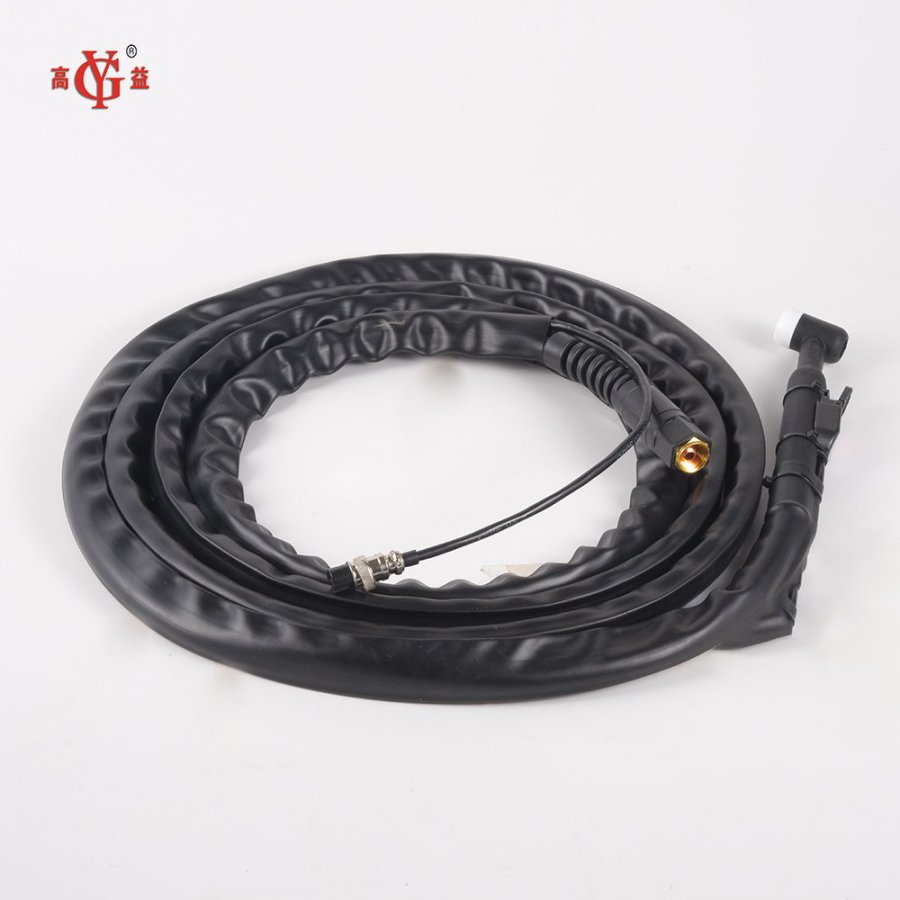

Non-Inductive Welding Cable: The Secret to Reliable Welding Connections
Mar 17,2026
Non-Inductive Welding Cable: The Secret to Reliable Welding Connections
Introduction to Non-Inductive Welding Cables
In the world of welding, the quality of connections plays a crucial role in ensuring structural integrity and performance. Non-inductive welding cables have emerged as a vital component that significantly improves the reliability of welding applications. These specialized cables are
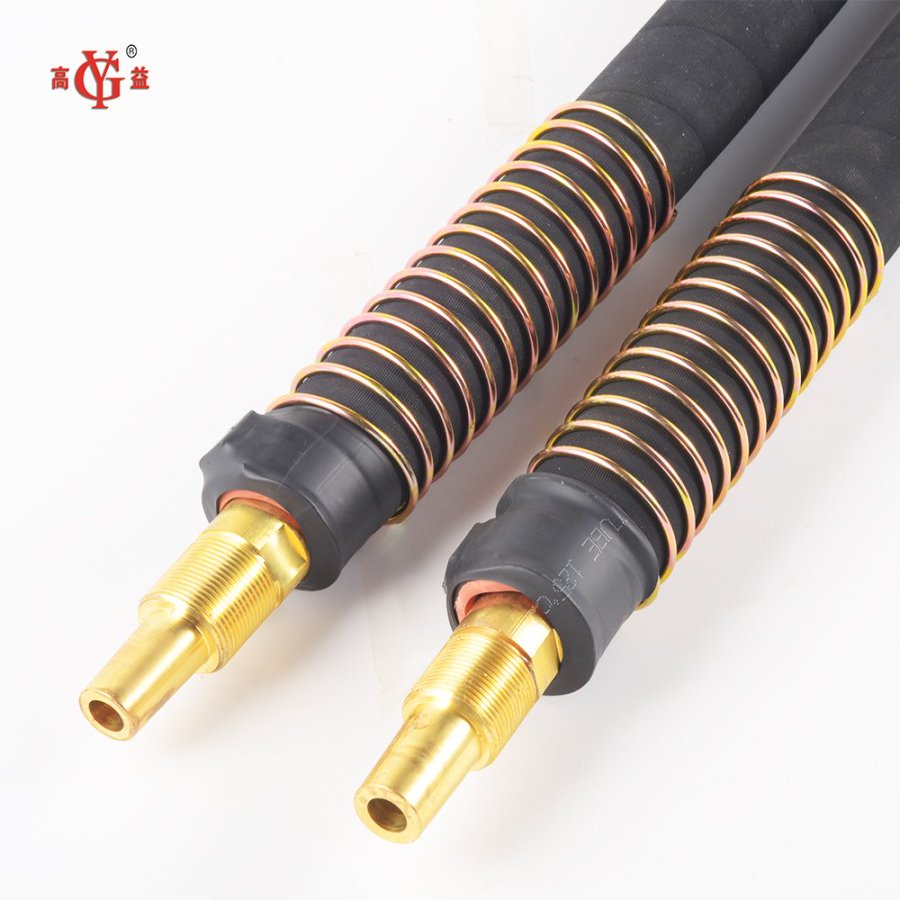
Non-Inductive Welding Cable: The Secret to Reliable Welding Connections
Introduction to Non-Inductive Welding Cables
In the world of welding, the quality of connections plays a crucial role in ensuring structural integrity and performance. Non-inductive welding cables have emerged as a vital component that significantly improves the reliability of welding applications. These specialized cables are designed to minimize inductance and provide consistent power delivery, making them indispensable in various industrial settings. This article delves deep into the features, benefits, and applications of non-inductive welding cables, offering insights that can help you make informed decisions for your welding needs.
Understanding the Basics: What Are Non-Inductive Welding Cables?
Non-inductive welding cables are specifically engineered to carry electrical current with minimal inductance. Unlike traditional welding cables, which can exhibit varying inductive characteristics, non-inductive cables are designed to ensure a stable and uniform flow of electricity. This characteristic is crucial in welding, where even minor fluctuations can lead to inconsistent welds, compromised strength, and increased wear on equipment.
The Science Behind Non-Inductive Cables
At the heart of non-inductive welding cables is a unique construction that minimizes electromagnetic interference. These cables typically consist of a combination of high-conductivity copper conductors and specialized insulation materials. The design often features concentric conductors, which help to cancel out magnetic fields generated during current flow. This innovative approach results in reduced inductance and enhanced performance during welding operations.
Key Features of Non-Inductive Welding Cables
Non-inductive welding cables come equipped with a range of features that set them apart from traditional cables. Some of these key features include:
- **Low Inductance:** The primary benefit of non-inductive cables is their ability to maintain a low inductance level, which is crucial for achieving consistent weld quality.
- **Enhanced Durability:** These cables are typically built with robust insulation materials that can withstand extreme temperatures and environmental conditions, ensuring longevity and reliability.
- **Flexibility:** Non-inductive welding cables are designed to be flexible, allowing for easy maneuverability and use in tight spaces without compromising performance.
- **High Current Capacity:** With the ability to handle high currents, non-inductive cables are suitable for various welding applications, from industrial to automotive uses.
The Advantages of Using Non-Inductive Welding Cables
Choosing non-inductive welding cables offers numerous advantages that can enhance welding performance and safety. Here are some of the key benefits:
1. Improved Weld Quality
Consistent power delivery is essential for achieving high-quality welds. Non-inductive cables ensure a stable electrical flow, which helps to prevent issues such as porosity, spatter, and weak joints. This results in stronger and more reliable welds that can withstand demanding applications.
2. Enhanced Equipment Longevity
The use of non-inductive welding cables can extend the lifespan of welding equipment. By minimizing inductance, these cables reduce wear and tear on welding machines, leading to fewer breakdowns and lower maintenance costs over time.
3. Increased Safety
Non-inductive cables help to mitigate the risks associated with electromagnetic interference. By reducing the effects of inductance, these cables enhance safety in the workplace, preventing accidents caused by erratic electrical behavior.
4. Versatility Across Applications
From heavy industrial welding to delicate automotive repairs, non-inductive welding cables are versatile enough to handle a wide range of applications. Their adaptability makes them an excellent choice for various sectors, including manufacturing, construction, and automotive industries.
5. Cost-Effectiveness
While the initial investment in non-inductive welding cables may be higher than traditional options, the long-term benefits often outweigh the costs. Improved weld quality, reduced equipment maintenance, and enhanced safety contribute to overall cost savings in welding operations.
Applications of Non-Inductive Welding Cables
Non-inductive welding cables are employed in various industries due to their outstanding performance characteristics. Some common applications include:
1. Heavy Machinery Manufacturing
In the manufacturing of heavy machinery, non-inductive cables are essential for ensuring strong welds that can withstand high stress and load-bearing requirements. The durability and reliability of these cables make them ideal for constructing components like frames and chassis.
2. Automotive Welding
The automotive industry relies heavily on welding for assembling vehicles. Non-inductive welding cables provide the consistency and quality needed for critical welds, such as those used in safety features and structural components.
3. Shipbuilding
In shipbuilding, where weld integrity is paramount, non-inductive welding cables help ensure that joints can withstand harsh marine environments. Their resistance to corrosion and environmental factors makes them suitable for this demanding application.
4. Pipeline Construction
Non-inductive welding cables are also utilized in pipeline construction, where reliable connections are necessary to transport materials safely. The stability provided by these cables helps prevent leaks and failures in pipeline systems.
5. Fabrication and Repair Shops
Many fabrication and repair shops have adopted non-inductive welding cables for their versatility and performance. These cables facilitate a wide range of welding processes, from MIG and TIG welding to stick welding, making them invaluable in workshop settings.
Choosing the Right Non-Inductive Welding Cable
When selecting non-inductive welding cables, several factors should be considered to ensure optimal performance for your specific application.
1. Cable Specifications
Review the technical specifications of the cable, including its gauge, current-carrying capacity, and insulation type. Ensure that the cable meets the requirements of your welding machine and the materials being welded.
2. Length Requirements
Consider the length of cable needed for your projects. Longer cables may result in voltage drops, so it’s essential to find a balance between flexibility and performance.
3. Environmental Conditions
Evaluate the environment in which the cables will be used. Exposure to extreme temperatures, moisture, or chemicals can affect cable performance, so choose cables with suitable insulation and protective features.
4. Brand Reputation
Opt for cables from reputable manufacturers known for producing high-quality non-inductive welding cables. Research customer reviews and industry recommendations to ensure you are making a reliable choice.
Maintenance and Care for Non-Inductive Welding Cables
To maximize the lifespan and performance of non-inductive welding cables, proper maintenance and care are essential.
1. Regular Inspections
Conduct regular inspections of your welding cables for signs of wear, damage, or fraying. Early detection of issues can prevent more significant problems down the line.
2. Proper Storage
Store non-inductive welding cables in a dry, cool place away from direct sunlight and extreme temperatures. Avoid tightly coiling the cables, as this can lead to damage over time.
3. Cleaning
Keep your cables clean from dirt, grease, and debris. A quick wipe-down with a damp cloth can help maintain their condition.
4. Avoid Overheating
Monitor the temperature of your welding cables during operation. Overheating can lead to insulation damage and reduced performance, so ensure proper ventilation and cooling during use.
Frequently Asked Questions (FAQs)
1. What is the main advantage of using non-inductive welding cables over traditional cables?
The primary advantage of non-inductive welding cables is their ability to maintain low inductance, which provides consistent power delivery and improves overall weld quality.
2. Can non-inductive welding cables be used in outdoor applications?
Yes, non-inductive welding cables can be used outdoors, but it is essential to choose cables with appropriate insulation that can withstand environmental factors such as moisture and UV exposure.
3. How do I determine the right gauge for my welding application?
The appropriate gauge for your welding application depends on the current requirements of your welding machine and the materials being welded. Consult the machine’s specifications and manufacturer guidelines for recommendations.
4. Are non-inductive welding cables more expensive than traditional cables?
Yes, non-inductive welding cables may have a higher upfront cost. However, their enhanced performance and durability can lead to long-term cost savings in maintenance and improved weld quality.
5. How often should I replace my welding cables?
The lifespan of welding cables depends on usage, maintenance, and environmental conditions. Regular inspections will help identify when it’s time for replacement, typically when significant wear or damage is evident.
Conclusion
In conclusion, non-inductive welding cables are a game-changer in the welding industry, providing reliable connections and improved weld quality across various applications. By understanding their features, advantages, and proper maintenance, professionals can enhance their welding processes, ultimately leading to greater efficiency and safety. Investing in non-inductive cables not only benefits the quality of work but also contributes to the longevity of equipment, making them a wise choice for any welding operation. Embrace the future of welding with non-inductive cables and experience the difference in performance and reliability.
TAG:
Previous
Previous:
Related Posts
Non-Inductive Welding Cable: The Secret to Reliable Welding Connections
Non-Inductive Welding Cable: The Secret to Reliable Welding Connections
Introduction to Non-Inductive Welding Cables
In the world of welding, the quality of connections plays a crucial role in ensuring structural integrity and performance. Non-inductive welding cables have emerged as a vital component that significantly improves the reliability of welding applications. These specialized cables are