
Mastering Power Settings for Your TIG Welding Torch: A Comprehensive Guide
Mar 05,2026
Understanding Power Settings for Your TIG Welding Torch
Introduction to TIG Welding and Power Settings
TIG (Tungsten Inert Gas) welding is a versatile and precise method used to join metals. The success of your welding project heavily relies on understanding the power settings of your TIG welding torch. Power settings not only dictate the amount of heat produced but also influence the quality and
Understanding Power Settings for Your TIG Welding Torch
Introduction to TIG Welding and Power Settings
TIG (Tungsten Inert Gas) welding is a versatile and precise method used to join metals. The success of your welding project heavily relies on understanding the power settings of your TIG welding torch. Power settings not only dictate the amount of heat produced but also influence the quality and appearance of the weld. In this comprehensive guide, we will explore the intricacies of power settings, ensuring that you have the knowledge to achieve flawless welds.
Table of Contents
- What is TIG Welding?
- Importance of Power Settings in TIG Welding
- Components of a TIG Welding Torch
- Factors Affecting Power Settings
- How to Set Power for TIG Welding
- Advanced Power Setting Techniques
- Common Mistakes to Avoid in Power Settings
- Frequently Asked Questions
- Conclusion
What is TIG Welding?
TIG welding is a process that uses a non-consumable tungsten electrode to produce the weld. An inert gas, typically argon, protects the weld pool from contamination. This method is favored for its ability to produce high-quality, precise welds, making it suitable for a variety of applications, including automotive, aerospace, and art metalwork. Understanding how to effectively control the power settings of your TIG welding torch is crucial for achieving desirable results.
Importance of Power Settings in TIG Welding
Power settings determine the heat input during the welding process. Too much power can lead to burn-through, while too little can result in weak welds. Properly adjusting power settings is essential for:
1. **Material Compatibility**: Different metals require different heat levels to fuse effectively.
2. **Weld Quality**: Correct power settings contribute to smooth, even welds without defects.
3. **Control**: Understanding power settings gives welders better control over the welding process, allowing for adjustments on the fly.
Components of a TIG Welding Torch
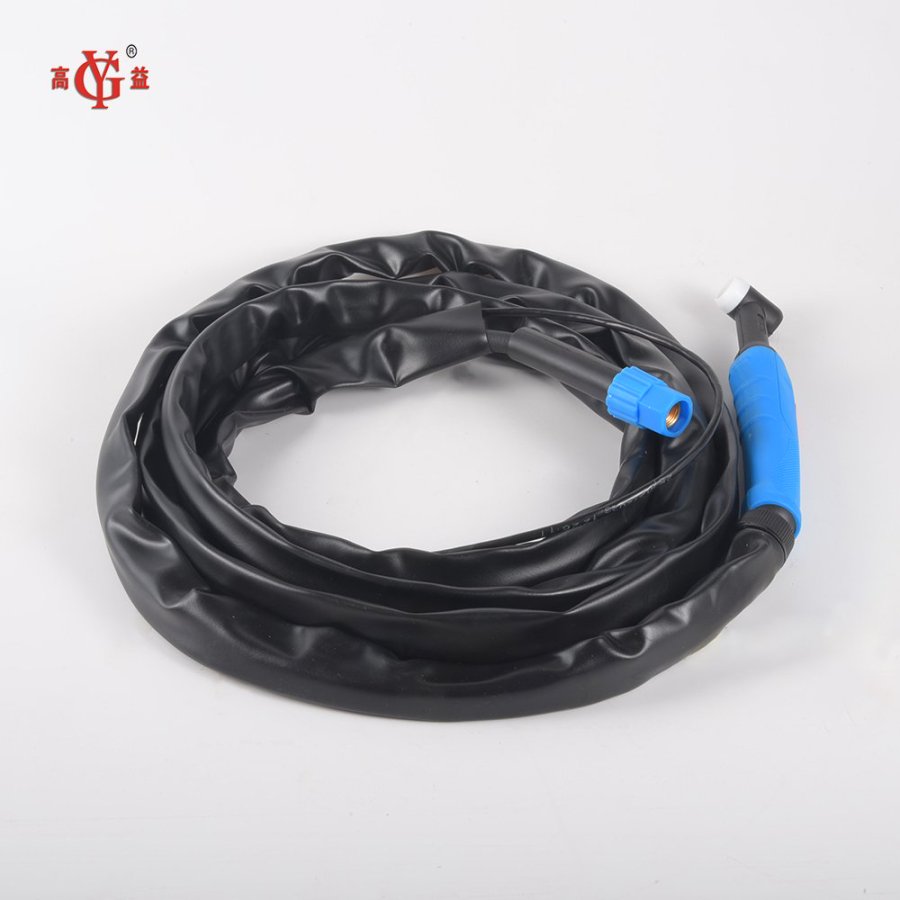
To effectively adjust power settings, it’s important to understand the components of a TIG welding torch:
1. **Tungsten Electrode**: The heart of the TIG welding process, responsible for creating the arc.
2. **Nozzle**: Directs the flow of inert gas and protects the weld pool.
3. **Collet and Collet Body**: Secure the tungsten electrode and allow for adjustments in electrode length.
4. **Flow Control Valve**: Regulates the flow of gas to prevent contamination.
5. **Power Control Settings**: Can be adjusted based on the material, thickness, and type of weld being performed.
Factors Affecting Power Settings
Several factors influence the optimal power settings for your TIG welding operations:
1. **Material Thickness**: Thicker materials require higher power settings to achieve proper fusion.
2. **Type of Metal**: Metals like aluminum need different power settings compared to steel or stainless steel due to their thermal conductivity.
3. **Welding Position**: The position of the weld (flat, horizontal, vertical, or overhead) can affect heat distribution.
4. **Electrode Diameter**: Larger electrodes can handle higher currents, while smaller ones need less.
5. **Travel Speed**: The speed at which you move the torch influences the amount of heat applied to the metal.
How to Set Power for TIG Welding
Setting the power for TIG welding involves a few key steps:
1. **Determine the Material Type and Thickness**: Always start by assessing the materials you will be working with, as this dictates the required heat.
2. **Select the Right Electrode**: Based on your material, choose an electrode with the appropriate diameter.
3. **Set the Initial Amperage**: A good starting point is 1 amp for every 0.001 inches of material thickness. For example, for 1/8” steel, set the torch to around 100 amps.
4. **Adjust Based on Feedback**: As you weld, watch for signs of overheating or underheating. Adjust the amperage as necessary.
5. **Practice and Refine**: Each material and situation may require fine-tuning, so practice is essential to getting the settings just right.
Advanced Power Setting Techniques
For seasoned welders, advanced techniques can enhance control and quality further:
1. **Pulse Welding**: This technique alternates between high and low amperage, which helps manage heat input and reduce warping.
2. **Tapered Amperage**: Gradually increasing or decreasing power settings during welding can enhance control and lead to more uniform welds.
3. **Using a Foot Pedal**: This allows for real-time adjustments to the power settings without stopping the weld, giving you more control over heat input.
Common Mistakes to Avoid in Power Settings
To achieve superior welds, avoid these common pitfalls:
1. **Ignoring Material Properties**: Different metals have unique characteristics; make sure to adjust settings accordingly.
2. **Over or Under Welding**: Too much power can burn through material, while too little can lead to weak joints.
3. **Neglecting the Inert Gas Flow**: Insufficient gas flow can lead to contamination of the weld pool.
4. **Inconsistency in Settings**: Keep your settings consistent throughout the weld to maintain quality.
Frequently Asked Questions
1. What amperage should I use for TIG welding aluminum?
When welding aluminum, a good starting point is approximately 1 amp per thousandth of an inch of thickness.
2. Can I use my TIG welding torch for different metals?
Yes, but you will need to adjust the power settings and possibly the electrode type to suit each material.
3. How do I know if my power settings are too high or too low?
Signs of too much power include burn-through and excessive spatter. Too little power can result in weak, lack of penetration welds.
4. Is it necessary to use a foot pedal for TIG welding?
While it’s not mandatory, using a foot pedal allows for more control over the heat during welding.
5. What is the best way to practice setting power correctly?
Practice on scrap pieces of the same material you intend to weld. Adjust settings based on the results until you achieve consistent weld quality.
Conclusion
Mastering the power settings of your TIG welding torch is essential for achieving high-quality welds across various materials. By understanding the intricacies of power adjustments and practicing the techniques outlined in this guide, you can enhance your welding skills and produce superior results. Remember, each welding project is unique, so take the time to familiarize yourself with the material and conditions for optimal performance. Happy welding!
TAG:
Related Posts
Mastering Power Settings for Your TIG Welding Torch: A Comprehensive Guide
Understanding Power Settings for Your TIG Welding Torch
Introduction to TIG Welding and Power Settings
TIG (Tungsten Inert Gas) welding is a versatile and precise method used to join metals. The success of your welding project heavily relies on understanding the power settings of your TIG welding torch. Power settings not only dictate the amount of heat produced but also influence the quality and