
Understanding MIG Welding Torches: Essential Tools for Electricians
Mar 04,2026
MIG (Metal Inert Gas) welding is a widely used welding technique favored for its speed and versatility. At the heart of this process is the MIG welding torch, an essential component that significantly influences the quality of the weld. Understanding the various aspects of a MIG welding torch can help electricians make informed decisions when selecting tools for their projects.
A MIG welding torch
MIG (Metal Inert Gas) welding is a widely used welding technique favored for its speed and versatility. At the heart of this process is the MIG welding torch, an essential component that significantly influences the quality of the weld. Understanding the various aspects of a MIG welding torch can help electricians make informed decisions when selecting tools for their projects.
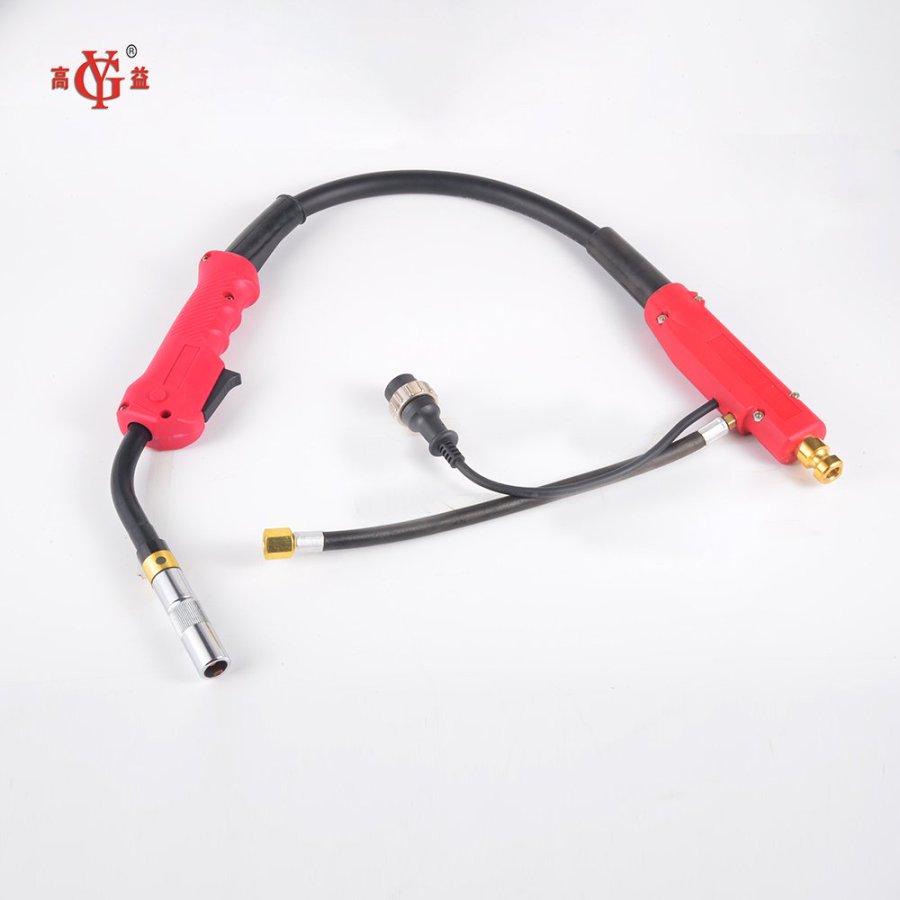
A MIG welding torch, also known as a gun, is designed to feed a continuous wire electrode through a nozzle while shielding the molten weld pool with an inert gas. This process ensures a clean and strong weld, making it a preferred choice for many applications, including automotive repairs, metal fabrication, and maintenance work.
One of the critical features of a MIG welding torch is its construction. Typically, torches consist of a handle, a power cable, a gas line, and a nozzle. The handle is ergonomically designed to provide comfort during extended use, while the power cable connects to the welding power source. The gas line supplies the inert gas, often argon or a mixture of argon and carbon dioxide, which protects the weld from contamination.
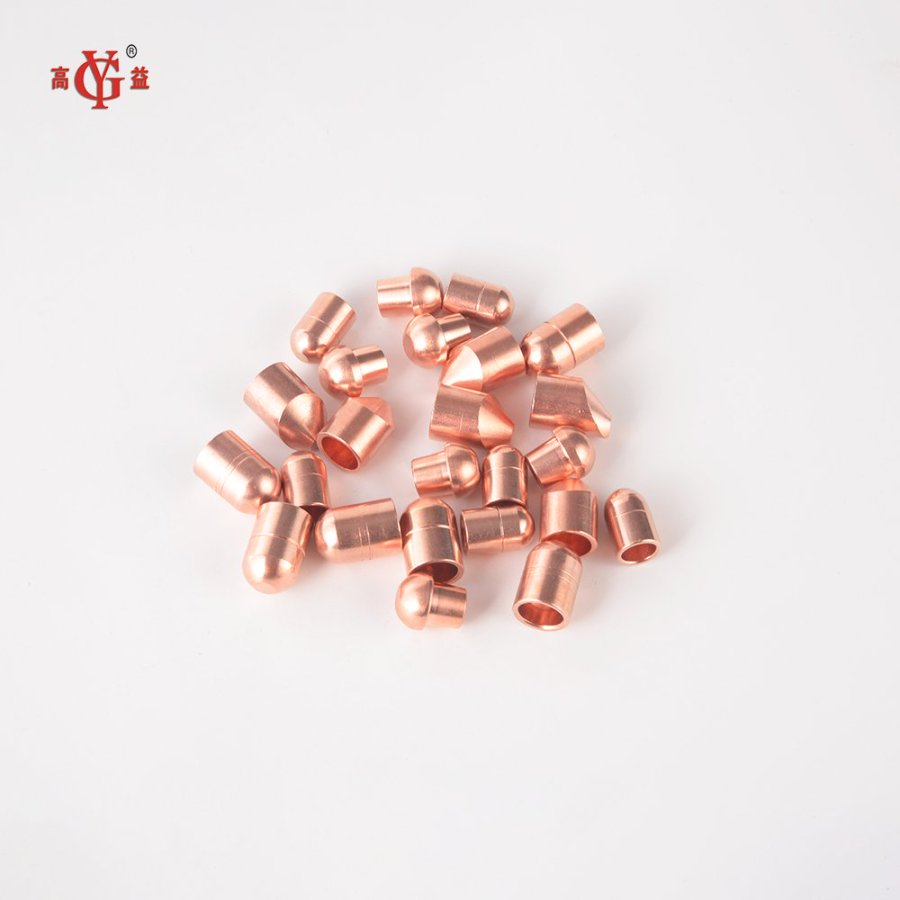
When choosing a MIG welding torch, electricians should consider the torch's duty cycle, which refers to the amount of time it can operate without overheating. A higher duty cycle is crucial for heavy, continuous welding tasks, as it allows for longer operation times without the need for cooling breaks. Additionally, the size and type of the welding wire being used will dictate the appropriate nozzle and contact tip size, further influencing the efficiency and effectiveness of the weld.
Another essential aspect to consider is the torch's compatibility with different types of welding machines. Not all torches are universal, and selecting a torch that matches the welding equipment is vital for optimal performance. Electricians should also pay attention to the torch’s cooling system. Some torches are air-cooled, while others are water-cooled, with water-cooled torches generally offering a longer lifespan for high-heat applications.
Furthermore, maintaining the MIG welding torch is crucial for ensuring consistent performance. This involves regularly checking and replacing worn components like contact tips, nozzles, and gas diffusers, as well as cleaning the torch to prevent spatter buildup. Proper maintenance not only prolongs the life of the torch but also enhances the quality of the weld.
In conclusion, a MIG welding torch is a vital tool for electricians involved in welding tasks. By understanding its features, specifications, and maintenance requirements, professionals can improve their welding operations and achieve better results. A well-chosen MIG welding torch can make a significant difference in productivity and weld quality, ensuring that every project meets professional standards.
A MIG welding torch, also known as a gun, is designed to feed a continuous wire electrode through a nozzle while shielding the molten weld pool with an inert gas. This process ensures a clean and strong weld, making it a preferred choice for many applications, including automotive repairs, metal fabrication, and maintenance work.
One of the critical features of a MIG welding torch is its construction. Typically, torches consist of a handle, a power cable, a gas line, and a nozzle. The handle is ergonomically designed to provide comfort during extended use, while the power cable connects to the welding power source. The gas line supplies the inert gas, often argon or a mixture of argon and carbon dioxide, which protects the weld from contamination.
When choosing a MIG welding torch, electricians should consider the torch's duty cycle, which refers to the amount of time it can operate without overheating. A higher duty cycle is crucial for heavy, continuous welding tasks, as it allows for longer operation times without the need for cooling breaks. Additionally, the size and type of the welding wire being used will dictate the appropriate nozzle and contact tip size, further influencing the efficiency and effectiveness of the weld.
Another essential aspect to consider is the torch's compatibility with different types of welding machines. Not all torches are universal, and selecting a torch that matches the welding equipment is vital for optimal performance. Electricians should also pay attention to the torch’s cooling system. Some torches are air-cooled, while others are water-cooled, with water-cooled torches generally offering a longer lifespan for high-heat applications.
Furthermore, maintaining the MIG welding torch is crucial for ensuring consistent performance. This involves regularly checking and replacing worn components like contact tips, nozzles, and gas diffusers, as well as cleaning the torch to prevent spatter buildup. Proper maintenance not only prolongs the life of the torch but also enhances the quality of the weld.
In conclusion, a MIG welding torch is a vital tool for electricians involved in welding tasks. By understanding its features, specifications, and maintenance requirements, professionals can improve their welding operations and achieve better results. A well-chosen MIG welding torch can make a significant difference in productivity and weld quality, ensuring that every project meets professional standards.
TAG:
Related Posts
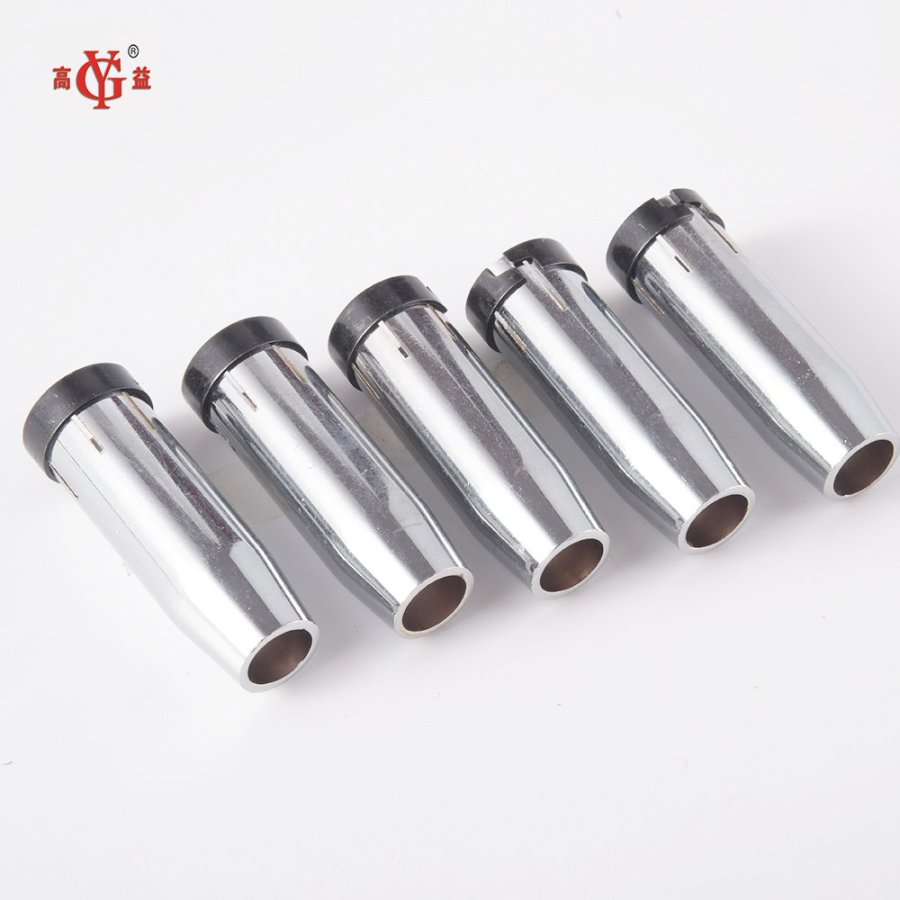
Welding Torch Nozzles: Essential Factors to Consider for Beginners
Welding Torch Nozzles: Essential Factors to Consider for Beginners
Table of Contents
Understanding Welding Torch Nozzles
Types of Welding Torch Nozzles
Material Choice for Welding Torch Nozzles
Size and Diameter Considerations
Nozzle Design and Shape
Common Mistakes to Avoid with Welding Torch Nozzles
Maintenance and Care of Welding Torch Nozzles
Conclusion
FAQs
Understanding W