
Essential Guide to Maintaining Your Welding Torch Nozzle for Optimal Performance
Mar 03,2026
How to Maintain Your Welding Torch Nozzle for Optimal Performance
Table of Contents
Introduction to Welding Torch Nozzles
The Importance of Proper Nozzle Maintenance
Common Problems Associated with Welding Torch Nozzles
Top Maintenance Tips for Welding Torch Nozzles
How to Clean Your Welding Torch Nozzle Effectively
Routine Inspections: What to Look For
When to Rep
How to Maintain Your Welding Torch Nozzle for Optimal Performance
Table of Contents
- Introduction to Welding Torch Nozzles
- The Importance of Proper Nozzle Maintenance
- Common Problems Associated with Welding Torch Nozzles
- Top Maintenance Tips for Welding Torch Nozzles
- How to Clean Your Welding Torch Nozzle Effectively
- Routine Inspections: What to Look For
- When to Replace Your Welding Torch Nozzle
- Troubleshooting Common Nozzle Issues
- Conclusion
- FAQs about Welding Torch Nozzle Maintenance
Introduction to Welding Torch Nozzles
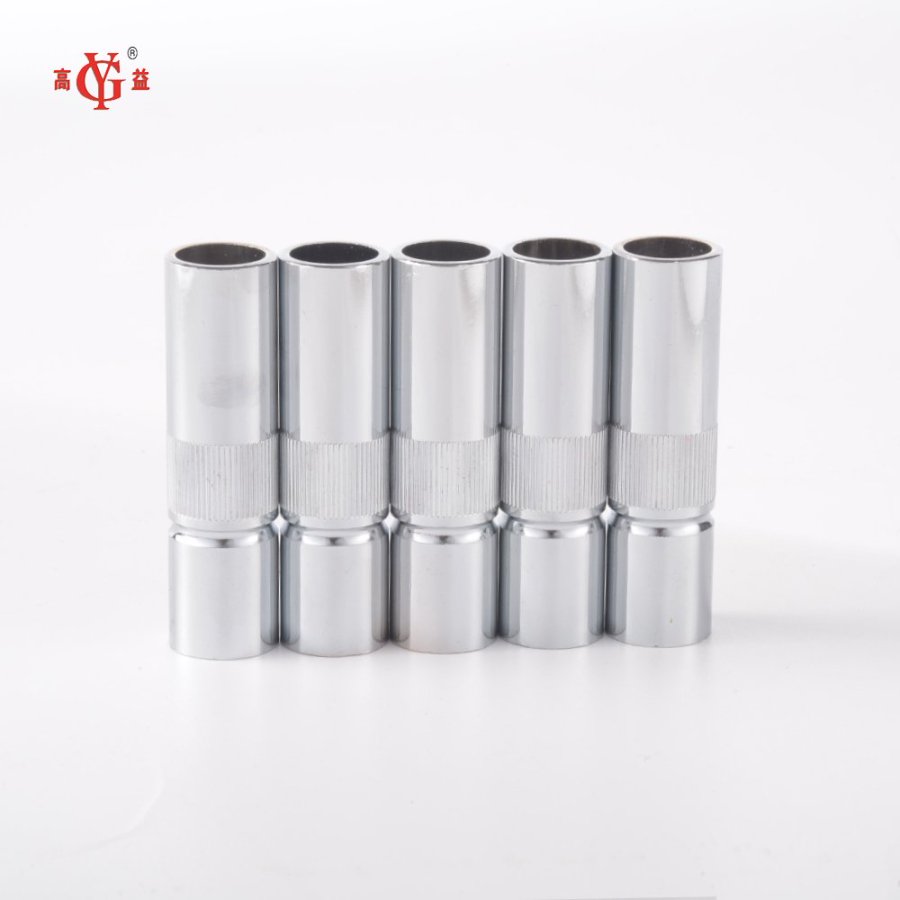
Welding torch nozzles are integral components of any welding setup. They serve as a conduit for the shielding gas and are crucial in maintaining the integrity of the weld. Over time, these nozzles can develop issues due to wear and tear, contamination, or improper use. A well-maintained welding torch nozzle ensures a cleaner, stronger weld and prolongs the lifespan of your equipment. In this article, we will explore effective ways to maintain your welding torch nozzle for optimal performance.
The Importance of Proper Nozzle Maintenance
**Proper maintenance of your welding torch nozzle is paramount** for several reasons:
1. **Enhanced Performance**: A clean and well-maintained nozzle allows for optimal gas flow, which is essential for producing high-quality welds.
2. **Increased Lifespan**: Regular maintenance can prevent premature wear and damage, extending the life of your nozzle.
3. **Cost Efficiency**: Investing time in maintenance can save you money on replacements and reduce downtime in your welding projects.
4. **Safety**: A malfunctioning nozzle can lead to unsafe welding conditions, increasing the risk of accidents and injuries.
Common Problems Associated with Welding Torch Nozzles
Understanding the common issues that can arise with welding torch nozzles is the first step in proper maintenance. Here are some frequent problems:
- **Clogging**: Debris and contaminants can block the nozzle, resulting in erratic gas flow and poor weld quality.
- **Burning**: Overheating can cause the nozzle to become damaged, leading to malfunctions.
- **Warping**: Prolonged exposure to high temperatures can warp the nozzle, altering its shape and affecting performance.
- **Cracks**: Physical damage can occur due to improper handling, leading to leaks and gas flow issues.
Top Maintenance Tips for Welding Torch Nozzles
To keep your welding torch nozzle in top condition, consider implementing these maintenance tips:
1. **Regular Cleaning**: Clean your nozzle after every use or as needed to prevent buildup.
2. **Use Appropriate Tools**: Utilize dedicated cleaning tools, such as brushes and cleaning wires, to avoid damaging the nozzle.
3. **Inspect Regularly**: Conduct routine inspections for any signs of wear, cracks, or other issues.
4. **Store Properly**: When not in use, store your welding torch and nozzle in a safe, dry place to prevent damage.
5. **Follow Manufacturer Guidelines**: Always refer to the manufacturer’s instructions regarding maintenance and cleaning.
How to Clean Your Welding Torch Nozzle Effectively
Cleaning your welding torch nozzle is crucial for maintaining its performance. Follow these steps for effective cleaning:
1. **Disassemble the Torch**: Carefully detach the nozzle from the torch to ensure thorough cleaning.
2. **Remove Debris**: Use a soft brush or compressed air to remove any surface debris from the nozzle.
3. **Use a Cleaning Solution**: Soak the nozzle in a suitable cleaning solution to dissolve any stubborn residues.
4. **Rinse and Dry**: After cleaning, rinse the nozzle with water and dry it completely before reassembling.
5. **Inspect for Damage**: Check for any cracks or warping before putting the nozzle back into service.
Routine Inspections: What to Look For
Routine inspections are essential for early detection of potential issues. Here’s what to look for:
- **Physical Damage**: Inspect for cracks, chips, or warping.
- **Clogged Orifices**: Check that the gas flow holes are clear and unobstructed.
- **Excessive Wear**: Look for signs of wear, particularly around the tip of the nozzle.
- **Connections**: Ensure the nozzle is securely attached to the torch and there are no gas leaks.
When to Replace Your Welding Torch Nozzle
Even with proper maintenance, there will come a time when replacement is necessary. Indicators that it may be time to replace your nozzle include:
- **Severe Damage**: Cracks or significant wear that cannot be repaired.
- **Consistent Poor Performance**: If cleaning and maintenance are not improving performance, it may indicate that the nozzle is beyond repair.
- **Age**: If the nozzle is several years old and has seen heavy use, it may be time for a replacement.
Troubleshooting Common Nozzle Issues
If you encounter problems with your welding torch nozzle, here are some troubleshooting steps to consider:
- **Issue: Inconsistent Gas Flow**
- **Solution**: Check for blockages in the nozzle and gas lines. Clean or replace as necessary.
- **Issue: Excessive Spatter**
- **Solution**: Inspect the nozzle for wear and ensure appropriate settings on your welding machine.
- **Issue: Overheating**
- **Solution**: Ensure you are using the correct nozzle for the job and check for proper gas flow rates.
- **Issue: Poor Weld Quality**
- **Solution**: Review your technique, settings, and ensure that the nozzle is clean and free from damage.
Conclusion
Maintaining your welding torch nozzle is essential for achieving optimal performance and ensuring the longevity of your equipment. By implementing regular cleaning, inspections, and following best practices for maintenance, you can prevent common issues and enhance the quality of your welds. Understanding when to replace your nozzle and how to troubleshoot problems will further empower you in your welding endeavors. Prioritize the care of your welding torch nozzle to achieve excellence in your projects.
FAQs about Welding Torch Nozzle Maintenance
**Q1: How frequently should I clean my welding torch nozzle?**
A1: It’s advisable to clean your nozzle after every use or whenever you notice a decrease in performance.
**Q2: Can using the wrong gas affect nozzle performance?**
A2: Yes, using the incorrect gas can lead to poor weld quality and may cause damage to your nozzle.
**Q3: What are the signs that I need to replace my nozzle?**
A3: Look for cracks, severe wear, or consistent performance issues despite cleaning.
**Q4: Is it safe to use a damaged nozzle?**
A4: No, using a damaged nozzle can pose safety risks and lead to poor welding results.
**Q5: How can I ensure I’m using the right nozzle for my project?**
A5: Always refer to the manufacturer's guidelines and consider the specific requirements of your welding task.
TAG:
Related Posts
Welding Torch Nozzles: Essential Factors to Consider for Beginners
Welding Torch Nozzles: Essential Factors to Consider for Beginners
Table of Contents
Understanding Welding Torch Nozzles
Types of Welding Torch Nozzles
Material Choice for Welding Torch Nozzles
Size and Diameter Considerations
Nozzle Design and Shape
Common Mistakes to Avoid with Welding Torch Nozzles
Maintenance and Care of Welding Torch Nozzles
Conclusion
FAQs
Understanding W